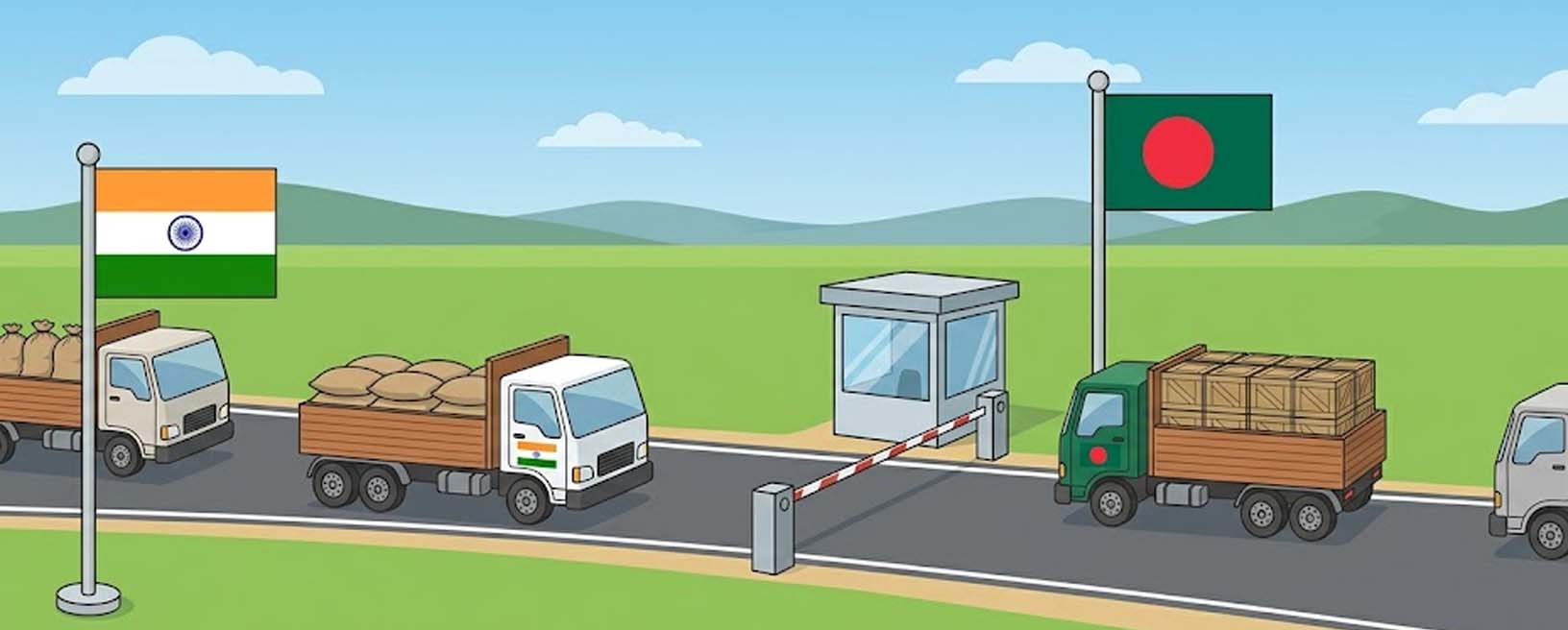
India–Bangladesh land trade continues to underperform, constrained not by the absence of preferential market access but by entrenched non-tariff barriers.
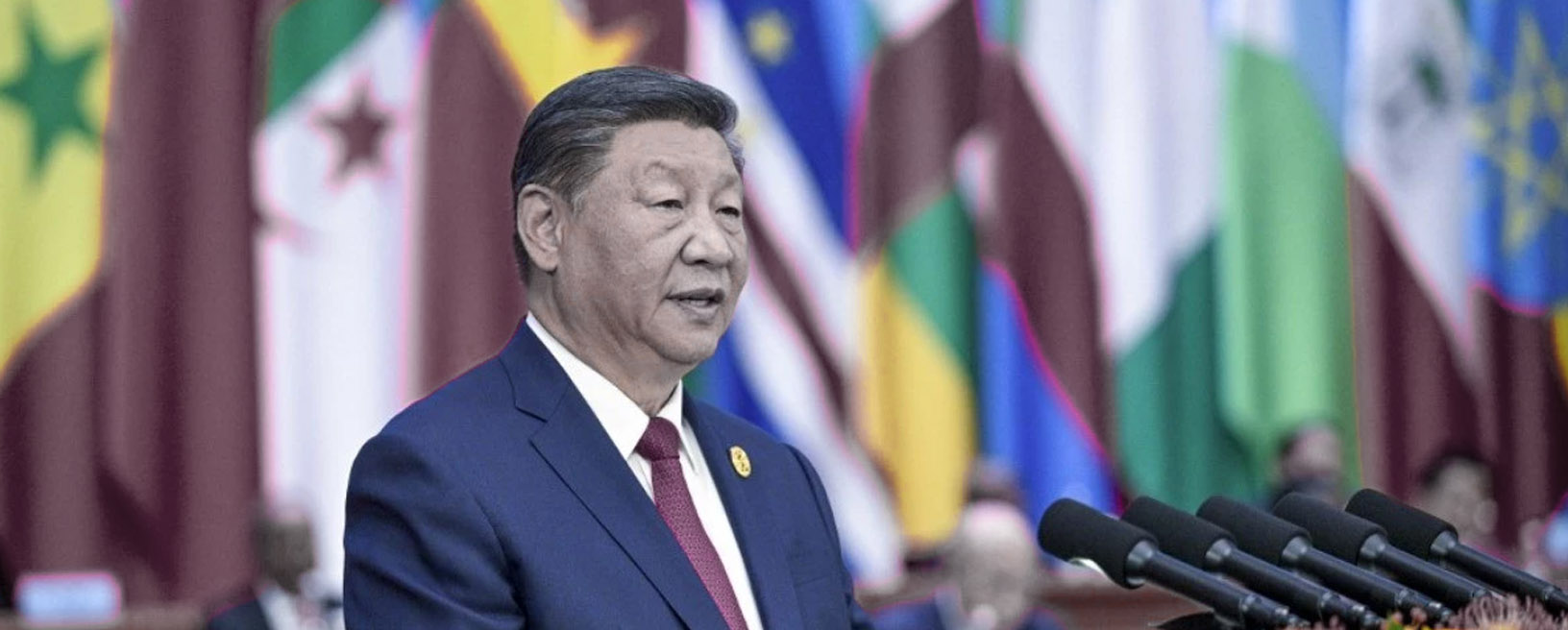
The GCI is one of the four global initiatives Xi Jinping put forward to pursue China’s core foreign policy concept, ‘Building a Community with a Shared Future for Mankind.’
In reviewing India’s ambitious Act East Policy (formerly the Look East Policy), it appears that the Northeast region’s agenda is being sidelined in policy formulation. The most important driver of the policy, that is, the development of the Northeast, was primarily to foster its culture, commerce, and connectivity with Southeast Asian economies. The North Eastern Region Vision 2047 (Second Draft Report) highlights that to develop the Northeast is to not only strengthen society, the economy, natural resources and national security, but also to serve as a bridgehead to Southeast Asia (North Eastern Council Citation2024). However, the Northeast region is perceived as being underdeveloped, and non-state actors, such as insurgents, take advantage of its geography, which connects Myanmar to the ‘Golden Triangle’, for illicit activities. In response, the Government of India prioritised setting targets to develop the Northeast first through connectivity projects and focusing on regional development to overcome the region’s shortcomings.
The only high-assay low-enriched uranium (HALEU) India will be able to rely upon is HALEU it has built, or has deliberately preserved the capacity to build.
Japan’s recent intelligence reforms complement its evolving security strategy, but historical concerns and questions regarding capabilities and political influence need attention.