A Decade of US ‘Pivot to Asia’
The Biden administration has further reinforced and strengthened US strategic priorities towards the Indo-Pacific, a decade after the ‘Pivot to Asia’ by the Obama administration.
- Anushka Saxena
- 2022 |
- IDSA Comments
- |
The Biden administration has further reinforced and strengthened US strategic priorities towards the Indo-Pacific, a decade after the ‘Pivot to Asia’ by the Obama administration.
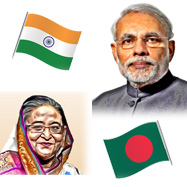
Prime Minister Sheikh Hasina’s visit underlines the fact that India and Bangladesh are successfully leveraging their geographical location to advance mutually beneficial economic ties.
India’s voting pattern at the United Nations Security Council shows that it is proactive and positive towards the UNSC agenda.
The defence indigenisation lists are expected to promote domestic arms manufacturing and reduce the burden of arms imports.
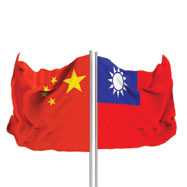
Taiwan has a robust defensive strategy to counter malicious Chinese cyber activities, including its disinformation campaigns.
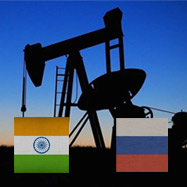
India needs to seize the opportunities presented by the exit of Western companies from the Russian energy sector.
The I2U2 is a promising initiative with immense potential for cross-regional cooperation.
India can carve a niche as a capacity-builder in helping the southern Pacific countries meet developmental goals and tackle climate change.
India needs to strengthen its existing bilateral relations with all the Arctic countries and continue to re-emphasize its call for peaceful resolution of Arctic disputes.
Eastwards Ho? India’s Relations with the Indo-Pacific edited by E. Sridharan comprising 15 essays by renowned experts on Asian geopolitics, seeks to place India on the strategic map of the evolving Indo-Pacific region as an economic and geopolitical power. At the outset, the editor provides a succinct overview of economic integration in Asia, particularly of China with its neighbours reflected in a massive increase in bilateral and multilateral free trade agreements (FTAs).