The Abiy Project: God, Power, and War in the New Ethiopia
Gardner argues that since coming to power in 2018, Prime Minister Abiy Ahmed has become one of the most debated political leaders in contemporary Africa. Following years of political unrest his ascent to was initially welcomed. Nonetheless, optimism gave way to growing violence, shrinking democratic space, and most importantly the war in Tigray. While many studies, he added, explain this transition by focusing on ethnic federalism, elite competition, state institutions, or Ethiopia’s changing geopolitical factors, Gardner in his book promised to offer a different explanation. He argues that understanding Abiy Ahmed’s political vision requires taking religion seriously, for Gardner, the influence of Pentecostal Christianity and prosperity gospel on the prime minister’s understanding of leadership, national unity, and state power.
Beyond The Gun: Why Military InterventionCannot Be a Permanent Solution in Cabo Delgado
The threat of Rwanda's withdrawal from Cabo Delgado pending the renewal of funding under the European Union (EU) peace fund should serve as a wake-up call to the Mozambican government. It is clear that sustainable peace cannot be achieved through military intervention. This paper focuses on the Cabo Delgado conflict that has, unsurprisingly, become a protracted war against a jihadist group referred to as the Islamic State Mozambique (ISM). Despite a reduction in large-scale attacks as experienced in early 2021, the jihadist group remains resilient, continuing to carry out attacks against civilians, government, and public infrastructure. Military interventions by SADC and Rwandan forces have weakened the group's fighting capability, helped recover territory, and facilitated the return of many internally displaced people. However, ISM has shown resilience, carrying out sporadic attacks that leave the general population vulnerable. This paper therefore argues that military intervention, while necessary for immediate security, cannot provide a sustainable as experienced elsewhere across the continent; hence, this should serve as a wake-up call to the government of Mozambique to explore other avenues for sustainable peace. The government must not be preoccupied with extending bilateral military agreements as the best solution to the problem; instead, it must leverage the security space Rwanda offers to tackle the root causes of the conflict.
Leverage Without Sovereignty: African Bargaining Strategies in the US–China Critical Minerals and AI Rivalry
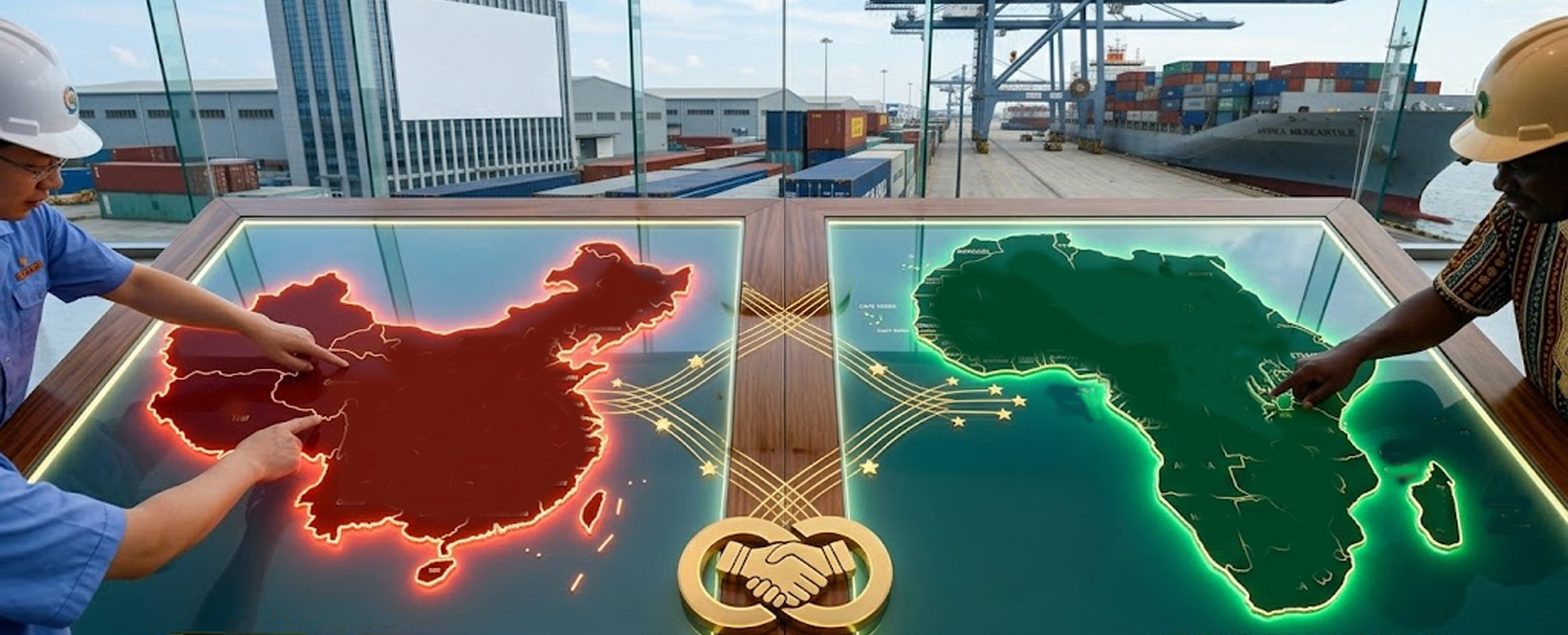
Africa occupies a strategically distinct and almost contradictory position in technology rivalry between the United States and China. The continent holds nearly 30 percent of the world’s critical mineral reserves and the world’s largest reserves of mined cobalt, making it a chokepoint of power over the hardware layer of the artificial intelligence (AI) economy. However, African states remain almost entirely dependent on foreign-owned computing infrastructure, designed chips and cloud platforms, leaving them as rule takers within export-control regimes managed extraterritorially by Washington and Beijing. This paper contests that African states are not pursuing “non-alignment” in its traditional sense but a combination of transactional hedging strategies like beneficiation mandates, supply management, contract-terms bargaining and continental rule-making, whose objective is ‘leverage’ rather than ‘autonomy’. By analysing the Democratic Republic of Congo (DRC) cobalt quota regime, and Zimbabwe’s lithium export ban, along with the contested build-out of African AI data centres, the paper assesses where this approach has been able to give favourable gains, and where it has produced new dependencies. It concludes that the binding constraint is not African bargaining skill but the absence of collective action: leverage exercised nationally is often priced by markets as risk, while leverage exercised continentally could be pitched as power.
Forging Strategic Bonds: India’s Expanding Defence Footprint in North Africa
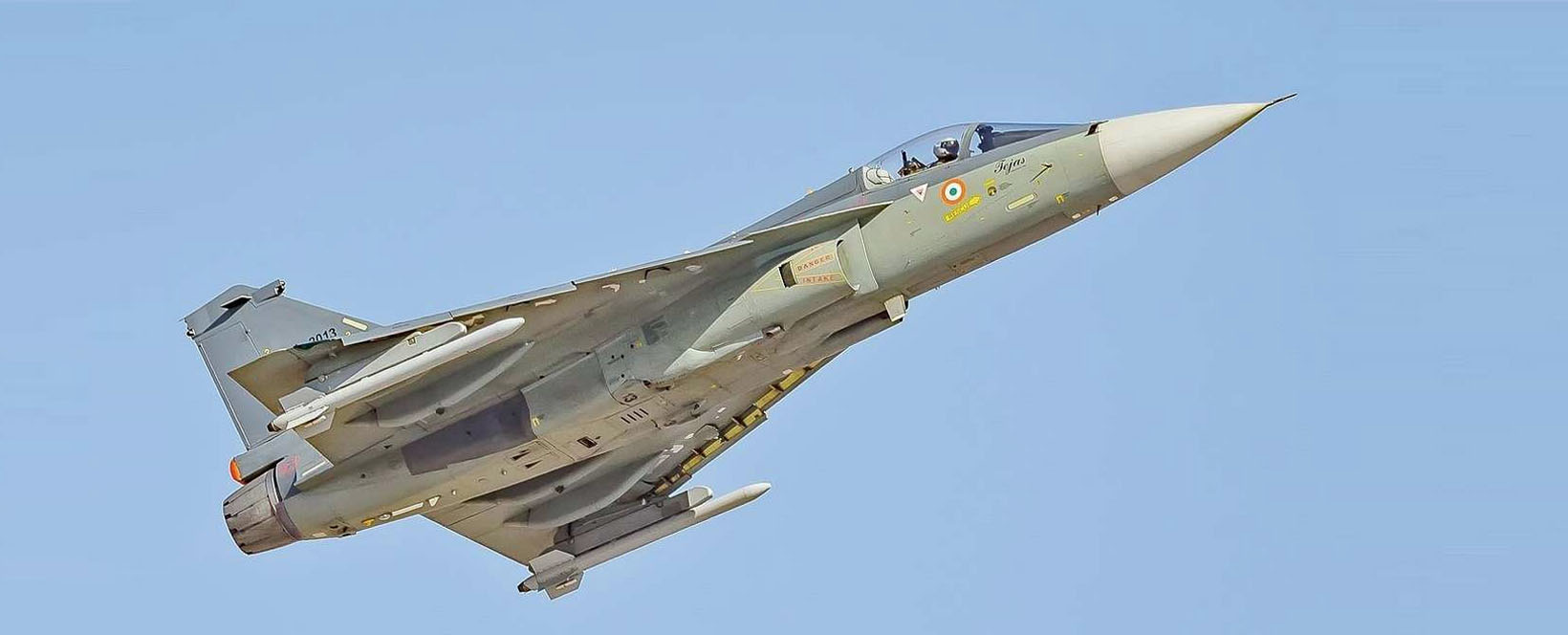
India has increasingly become a key defence partner for North African nations like Egypt, Morocco, and Algeria, with significant potential for defence industry collaboration and arms exports. The North African region presents a strategic opportunity for India to expand its defence diplomacy and strengthen ties with the African continent. This article explores how India aligns with North African countries' defence modernisation goals and industrial cooperation efforts. Given North Africa's position as a gateway to Europe and Africa, fostering strong economic and defence ties could enhance India's regional influence through arms trade, industry partnerships, and capacity-building initiatives.