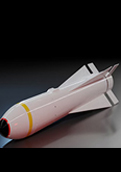
G20, G7 and Nuclear Diplomacy
India and Japan as Chairs of the G20 and G7 respectively can play a key role in ensuring that global nuclear instability is effectively managed.
- Arnab Dasgupta , Abhishek Verma
- 2023 |
- Issue Brief
- |

India and Japan as Chairs of the G20 and G7 respectively can play a key role in ensuring that global nuclear instability is effectively managed.
India’s track record as a responsible nuclear weapon country is reflected in its policy of nuclear restraint.
The Washington Declaration reflects yet another effort by the US and South Korea to present a united front against North Korean nuclear and missile sabre rattling.
The development of Subject Matter Experts involves identifying individuals with specialised knowledge and skills and providing them with additional training and support to deepen their expertise.
Kazakhstan has strengthened its partnerships with regional and extra-regional actors amidst the ongoing regional turmoil.
India, in concert with the other four Asian Observers, could use the current state of flux to seek a more inclusive and equitable Arctic Council.
The Islamic State of Khorasan Province (ISKP) has claimed responsibility for last year’s botched Coimbatore and Mangalore blasts in an attempt to show its expanding influence, which raises serious concerns for Indian security agencies.
Even as Vietnam has Southeast Asia's largest installed solar and wind power capacity, coal will continue to be the country’s primary source of energy till 2030.
There is a need for India to establish an autonomous agency to execute overseas development assistance programmes.
Negotiations between ASEAN and China regarding a Code of Conduct on South China Sea may continue to be prolonged and evasive.