Israel’s Recognition of Somaliland: Implications for Alliances in the Red Sea Basin
Israel’s Recognition of Somaliland has significant implications for peace, security and stability in the Horn of Africa.
The Ankara Declaration marks a significant step in Ethiopia's push for Red Sea access, fostering cooperation with Somalia while easing regional tensions.
Ethiopia's foreign policy priorities in the Horn of Africa on maritime access and the Grand Ethiopian Renaissance Dam have fuelled tensions with both Somalia and Egypt.
Women play active roles in sustaining and facilitating extremist activities on the African continent.
There is a collective international effort to bring about stability, but its history with its neighbours and divisions within may haunt Somalia's future.
Area1
Total 637,657 sq km
Population2
10,085,638 (July 2012 estimate)
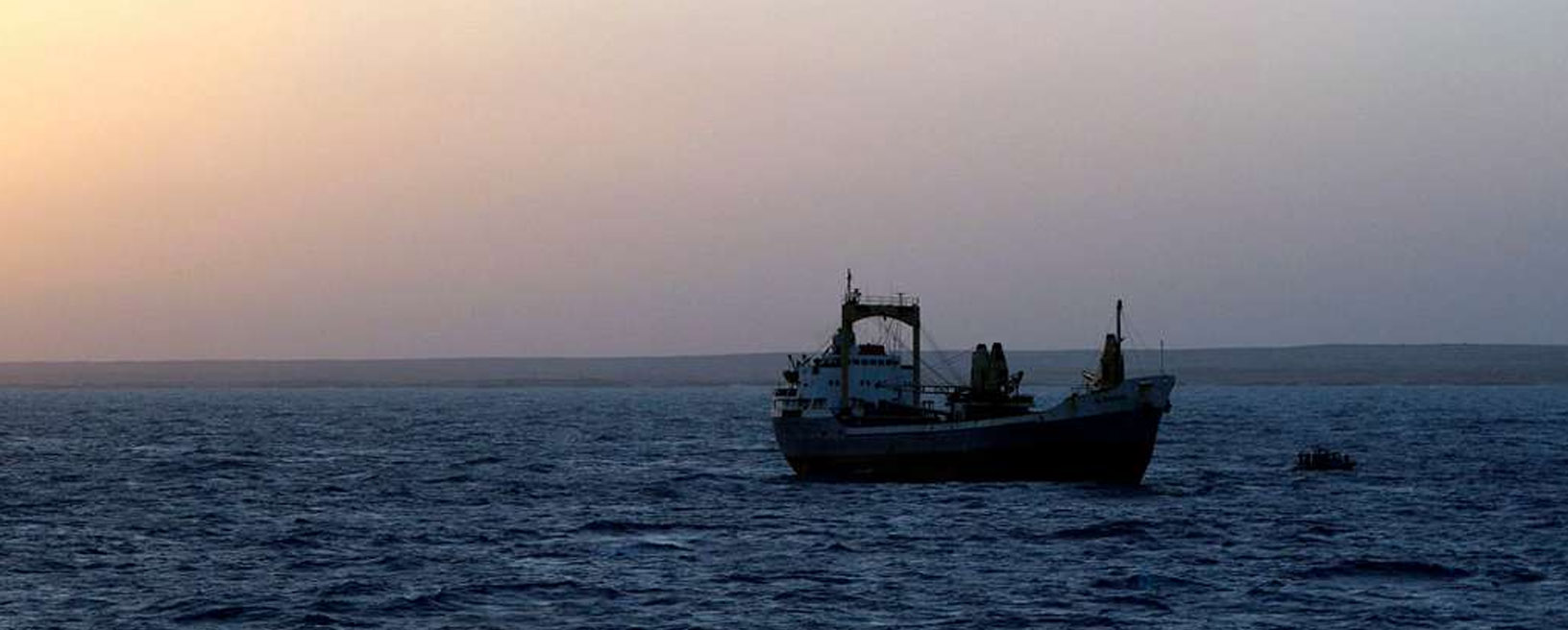
Piracy over the years has been driven by geography, political instability and the availability of safe havens. Apart from these established factors, economics too play a role. This article reviews and examines Somali piracy, which has flourished due to the international community ignoring the growing instability in Somalia, the rampant illegal fishing and toxic waste dumping. It examines the international response, the legal and economic factors and advocates that piracy be viewed as a form of economic terrorism and be combatted as such, as well as by land-based operations.
Rampant piracy off the Somalia coast has brought the strife-ridden country back into attention. Economic hardship, and a deep resentment and anger against foreign exploitation of Somalia's maritime resources, have inspired the pirates to declare themselves 'coast guards of Somalia'. However, the growing attacks by the pirates have had an adverse impact on global commercial shipping. The international community has responded to this predicament by massive naval deployments in the Gulf of Aden.
Since the overthrow of its last ruler Siad Barre in 1990, Somalia's conditions have worsened and, barring a few islands of peace, are degenerating rapidly; its waves of insecurity surge beyond its shores. Piracy off Somalia is a consequence of its present volatile insecurity on shore, and 20 years of conflict resolution efforts have come to naught. As piracy increases and anti-piracy operations intensify, efforts at finding lasting peace on shore have run aground.
While India is augmenting the security of the Lakshadweep islands, implementation of the coastal security scheme on the ground has been slow.