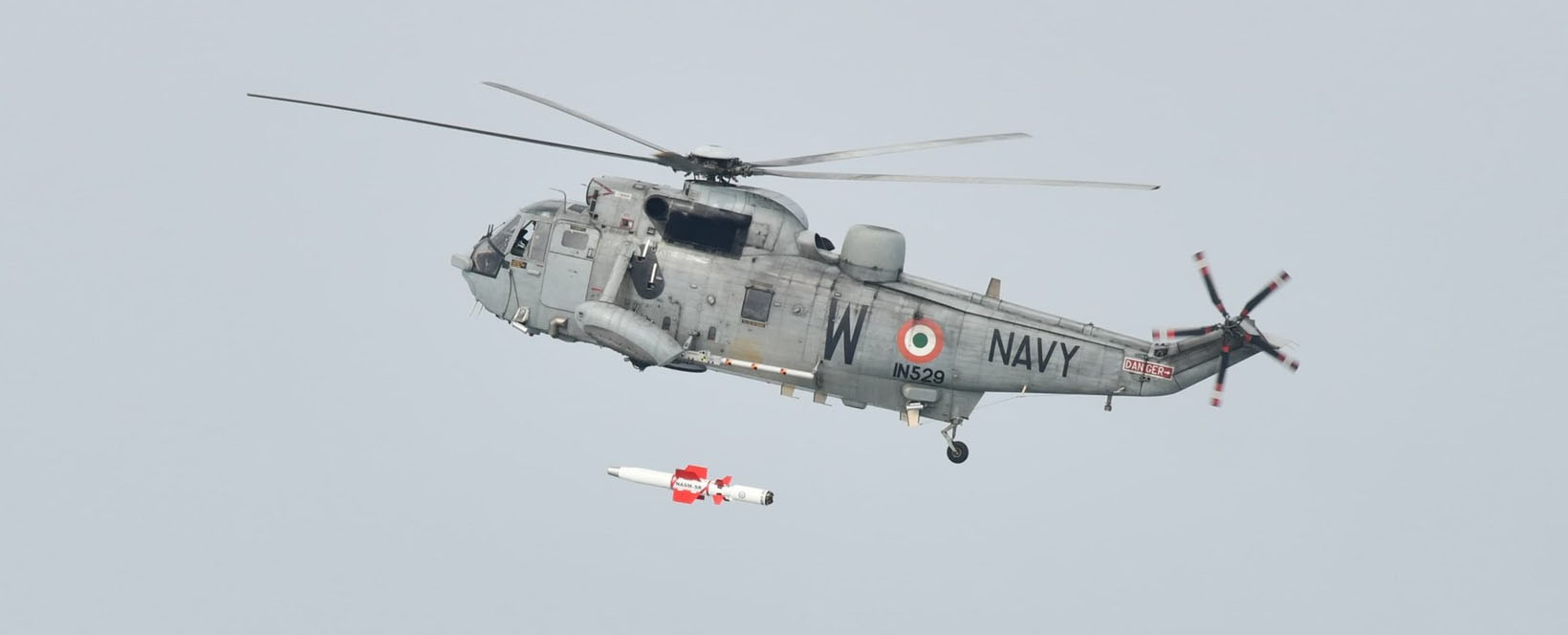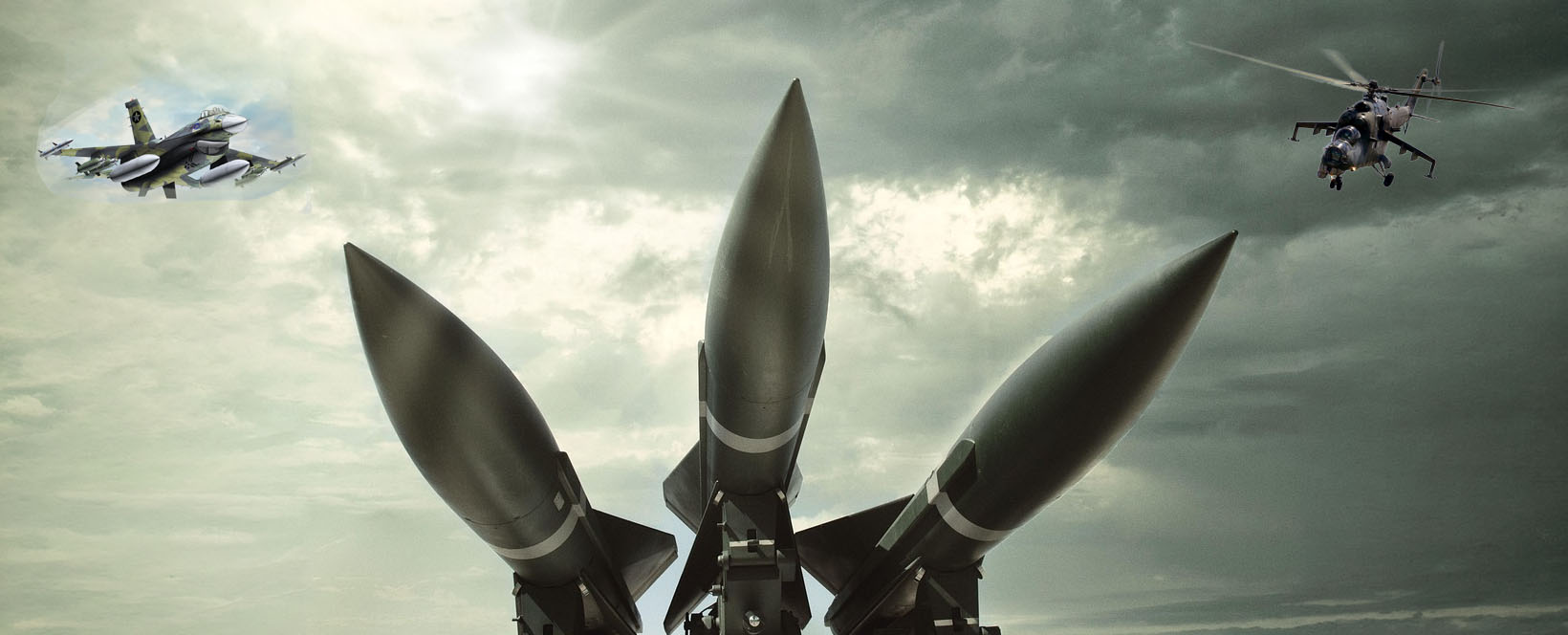
The challenge for the US defence industrial base will be to meet the increased demands of allies in conflict zones for critical high-end defence equipment.
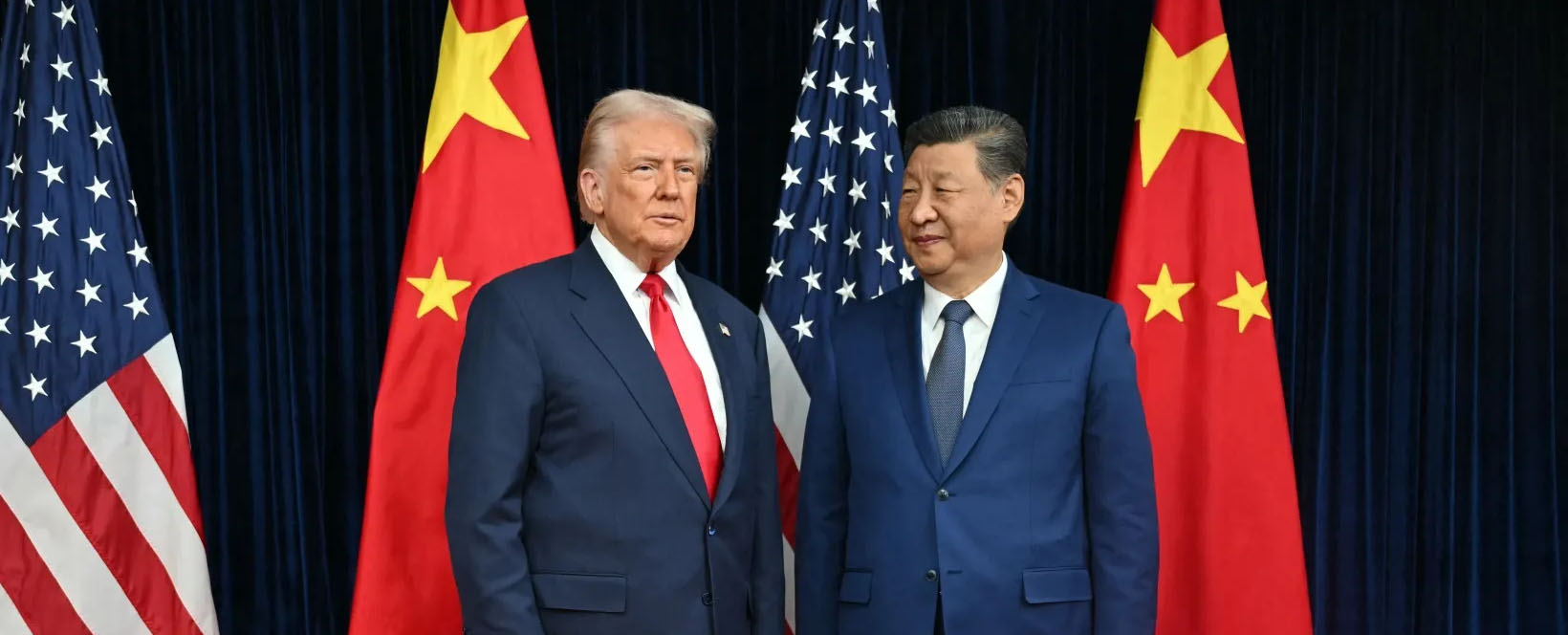
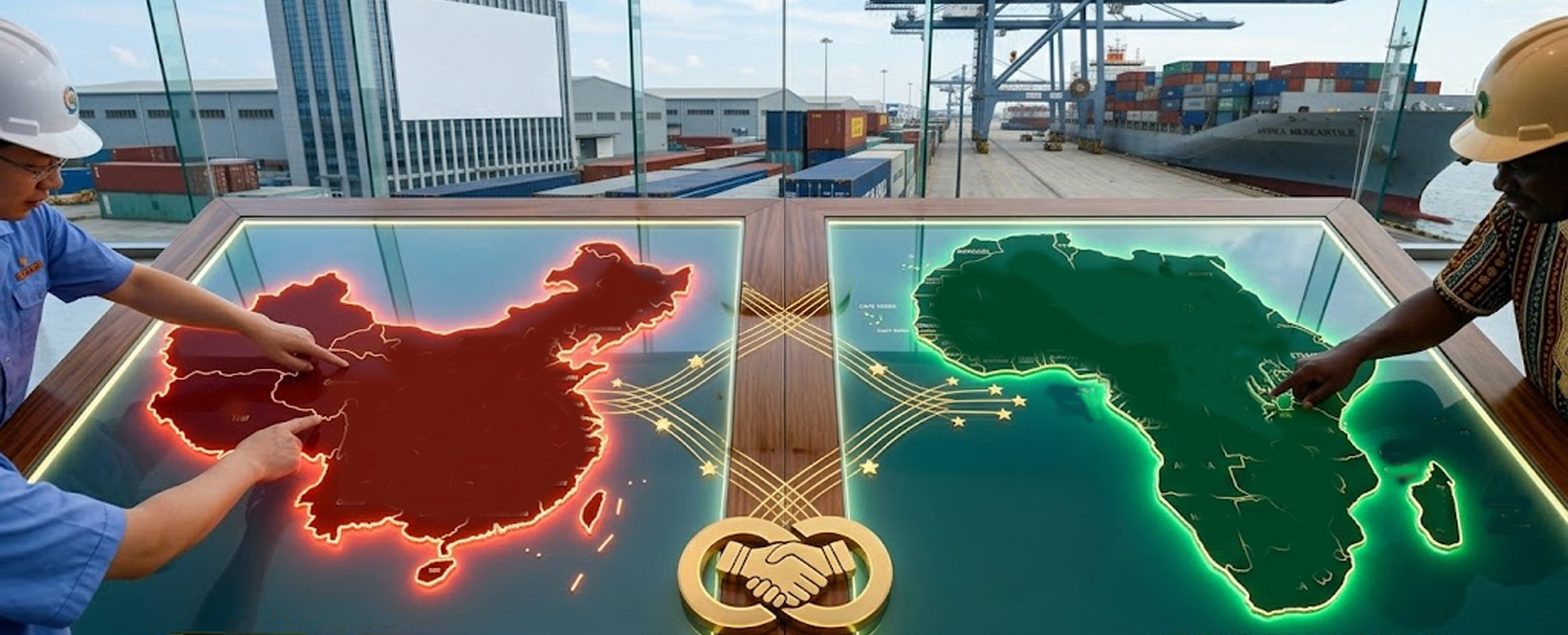
In the Iran crisis, a major strategic objective for Beijing was to frame itself as a ‘stabilising’ power, in contrast to Washington’s disruptive interventions.
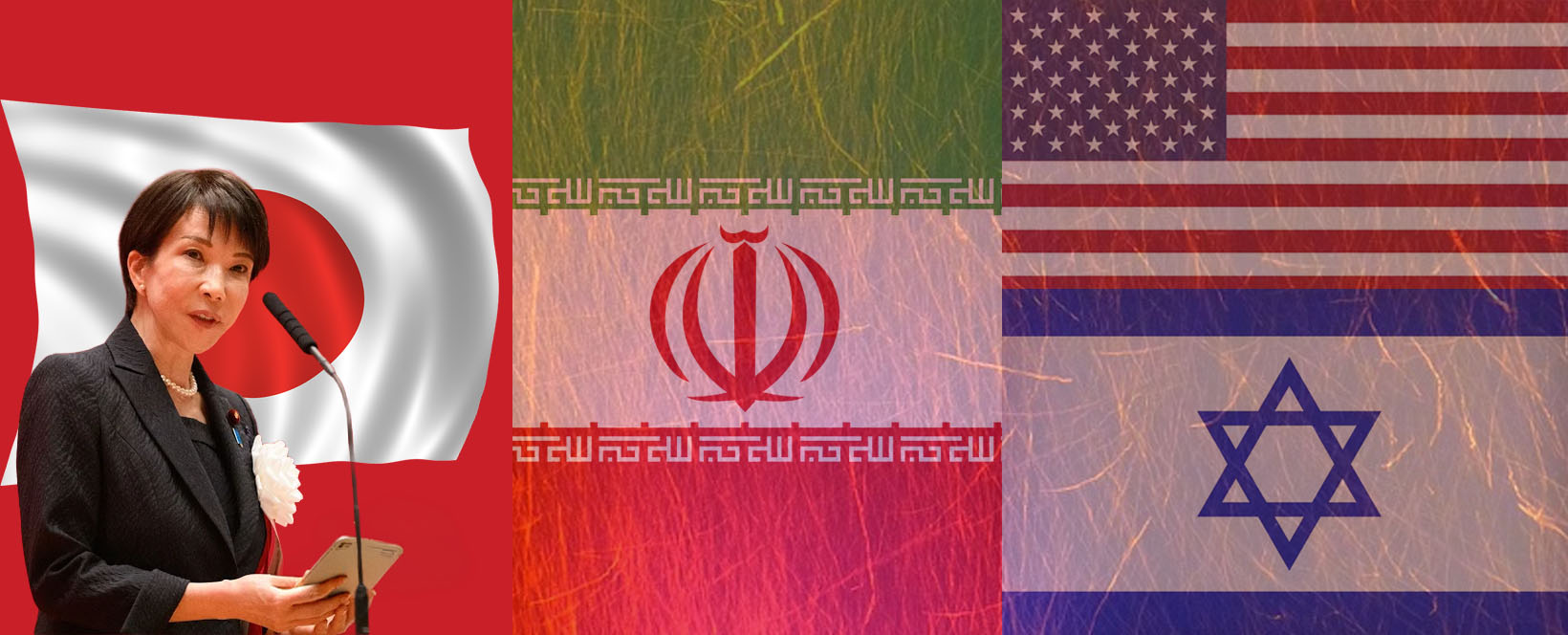
In the wake of the West Asian crisis, the challenge for Japan, a US ally, is to maintain strategic autonomy given its energy dependencies on the region.
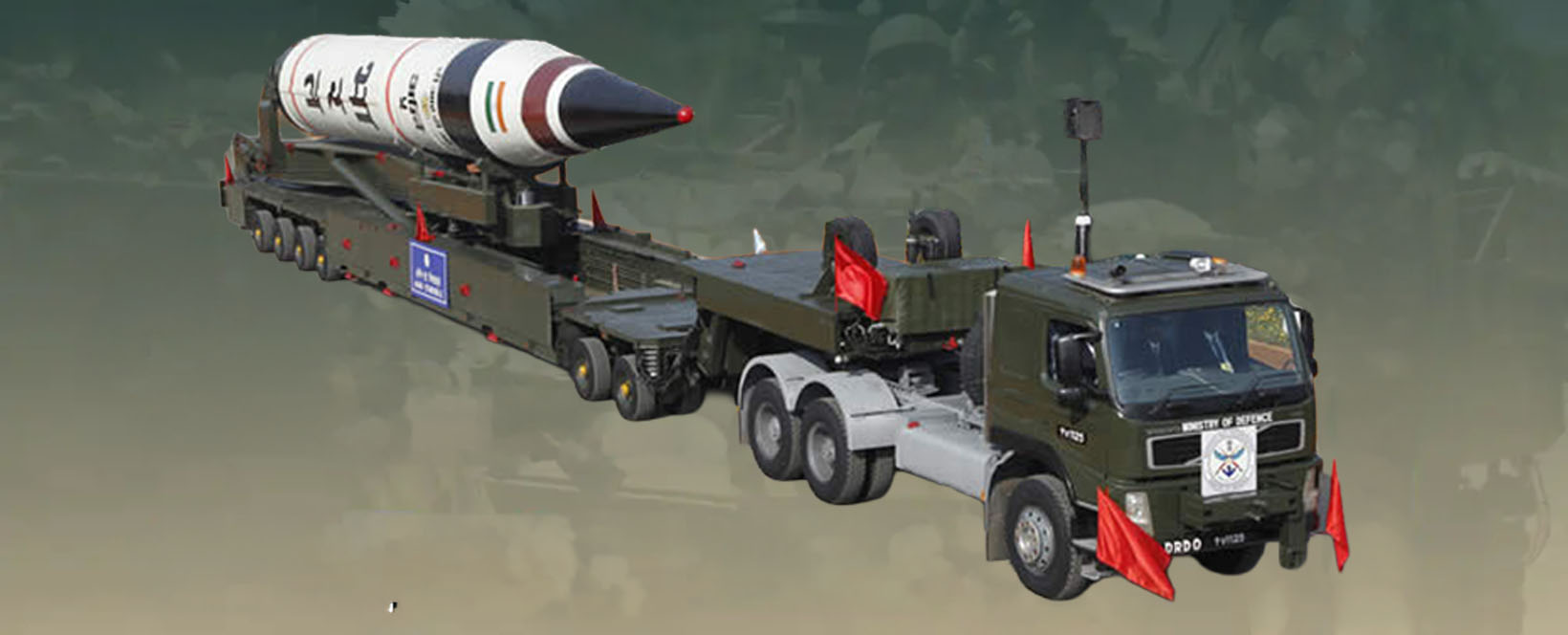
India’s nuclear energy autonomy rests on reliable baseload generation, diversified and contractually secured fuel supply and an indigenous fuel-cycle capability.
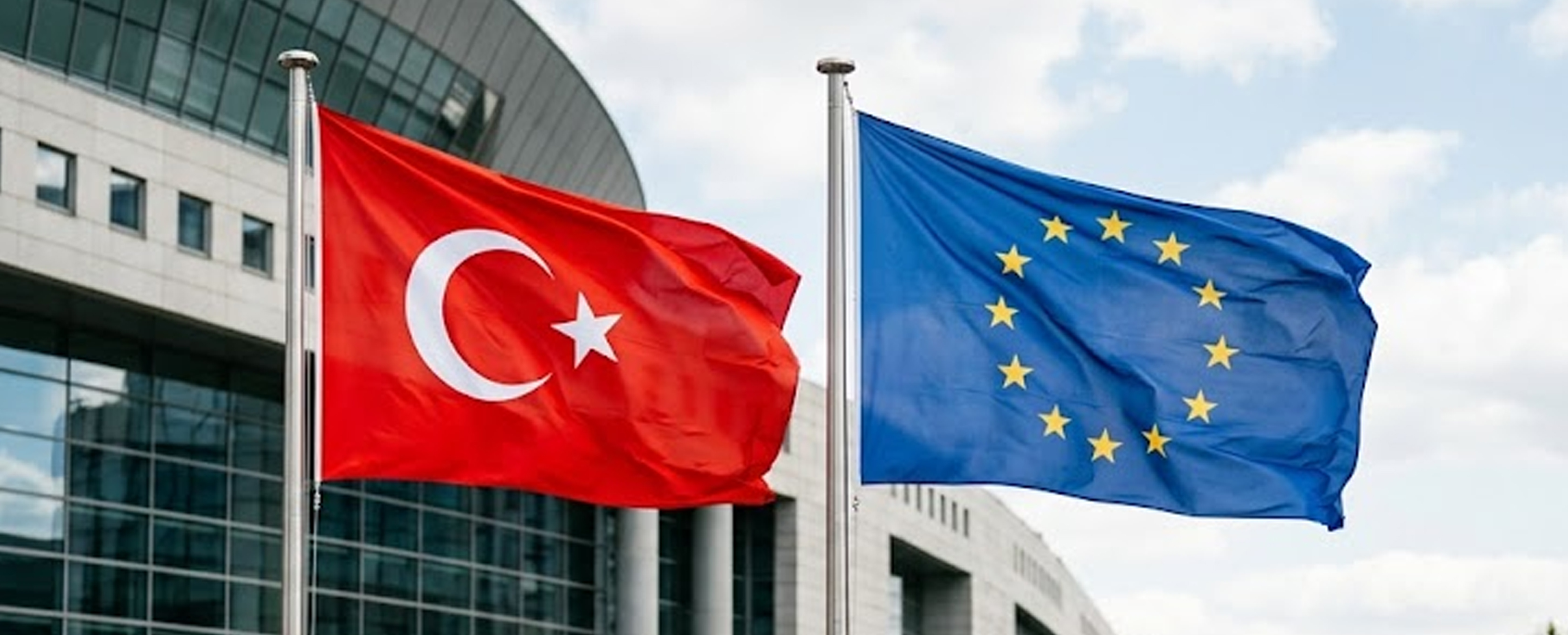
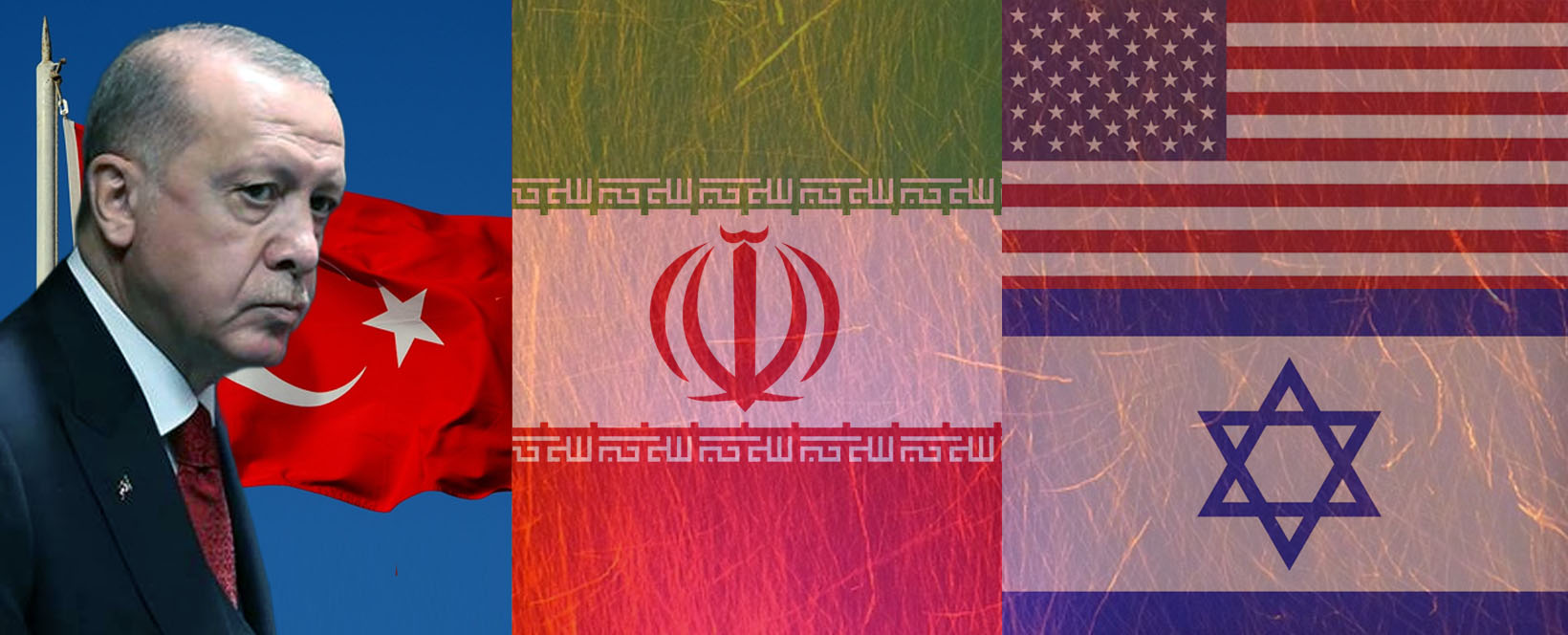
In the wake of the US–Israel war on Iran, Ankara’s strategic space is narrowing due to conflict escalation, energy disruptions and renewed uncertainties relating to the Kurdish question.
The broader goal of the Artemis programme is to establish human settlements on the lunar surface while laying the foundation for future deep-space exploration.
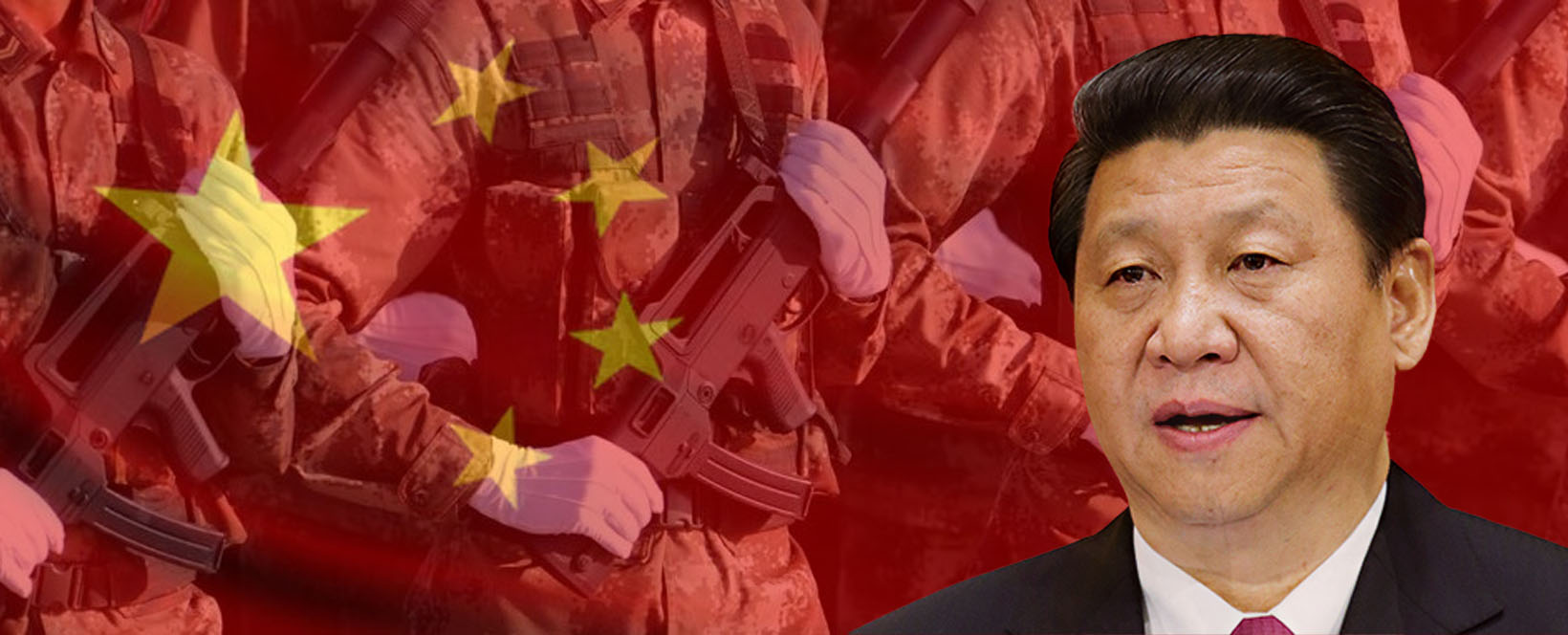
Strengthening domestic demand, self-reliance in strategic technologies, and reassertion of political and ideological control over the PLA featured prominently in the 2026 Two Sessions.
The Ministry of Defence document, ‘Directions of Change in Defence Capabilities 1’, released on 12 March, offers a glimpse into the evolution of Japan’s security strategy.