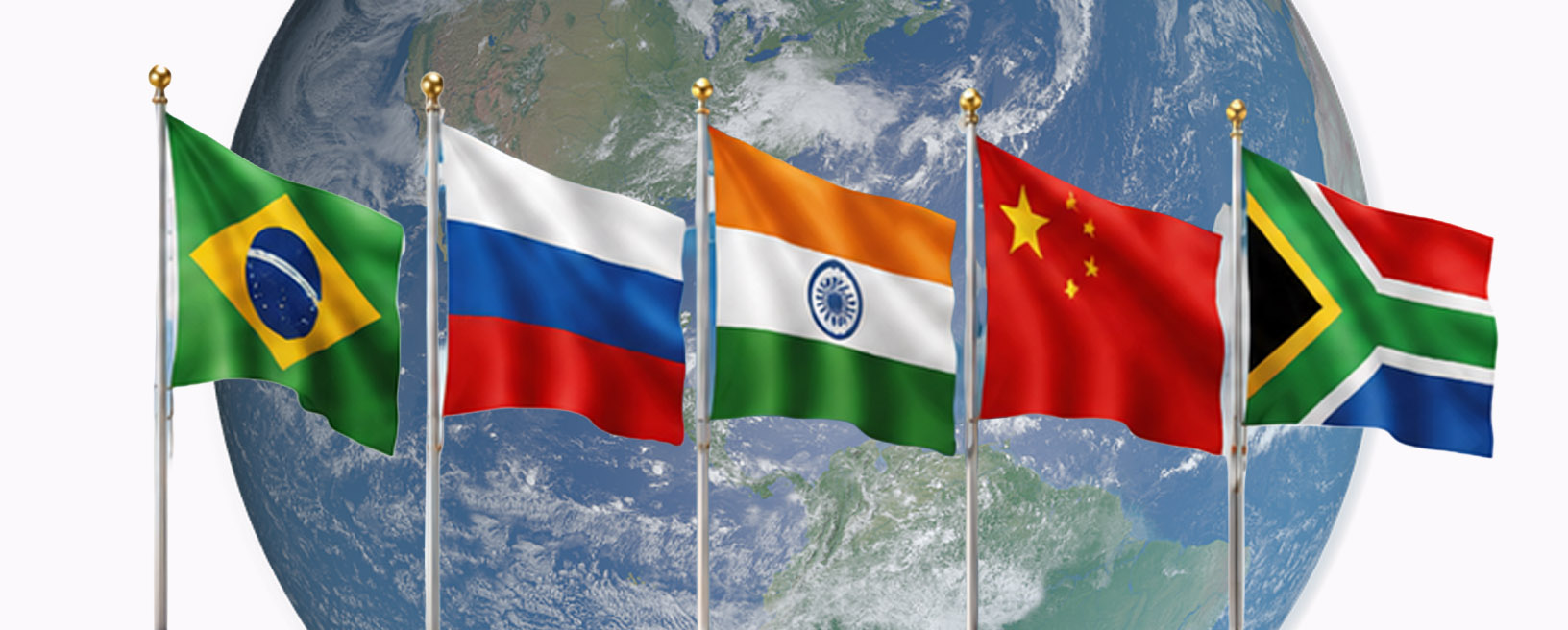
The 2026 communiqué reflects BRICS nations' reimagining of energy security, anchored in tech-centric innovation, Global South-led governance, and resilience.
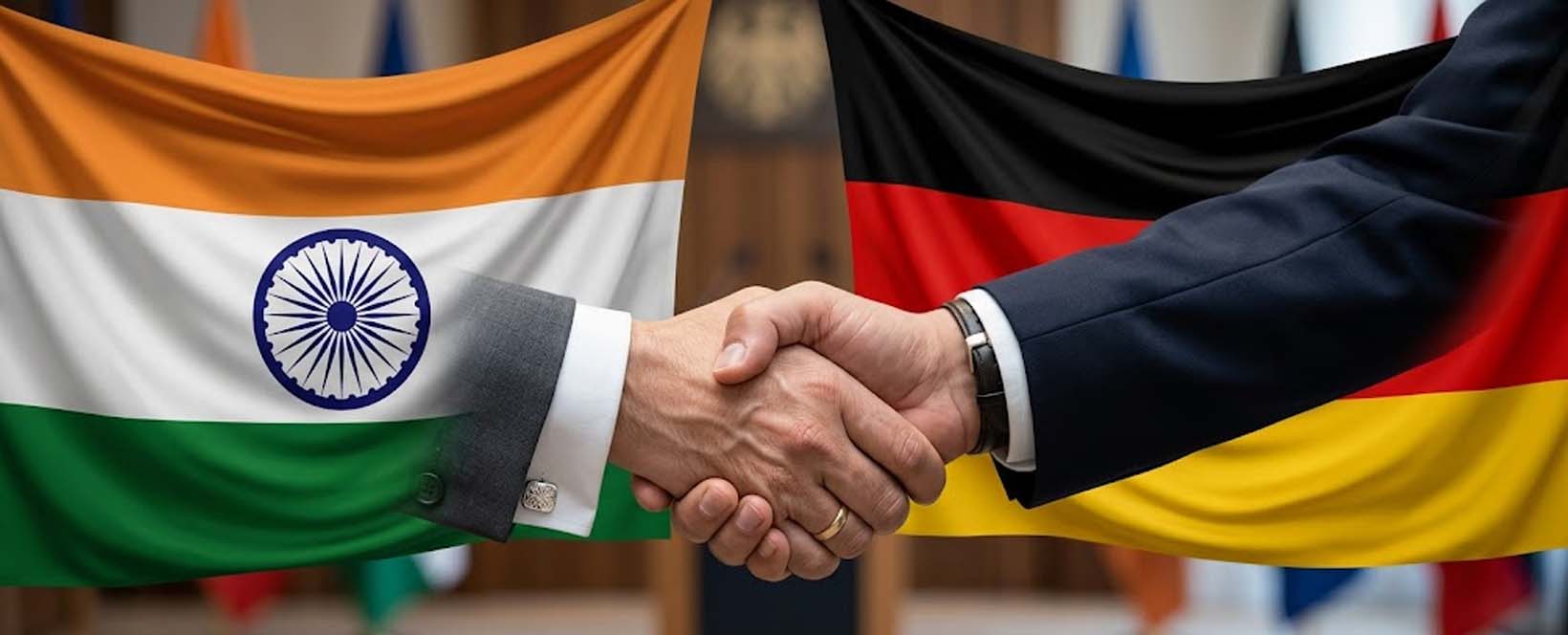
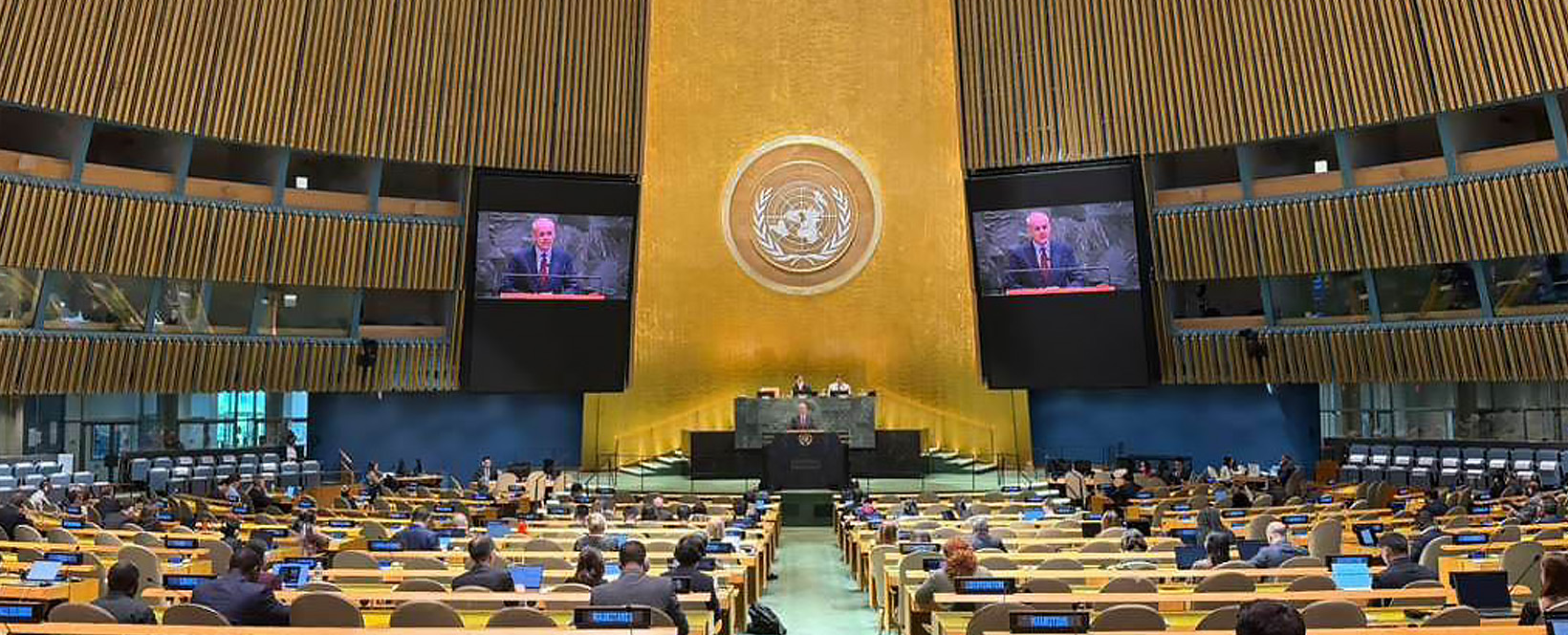
India needs to convert longstanding partnerships into electoral support, particularly in Africa, to secure a non-permanent seat on the UNSC for the 2028–29 term.
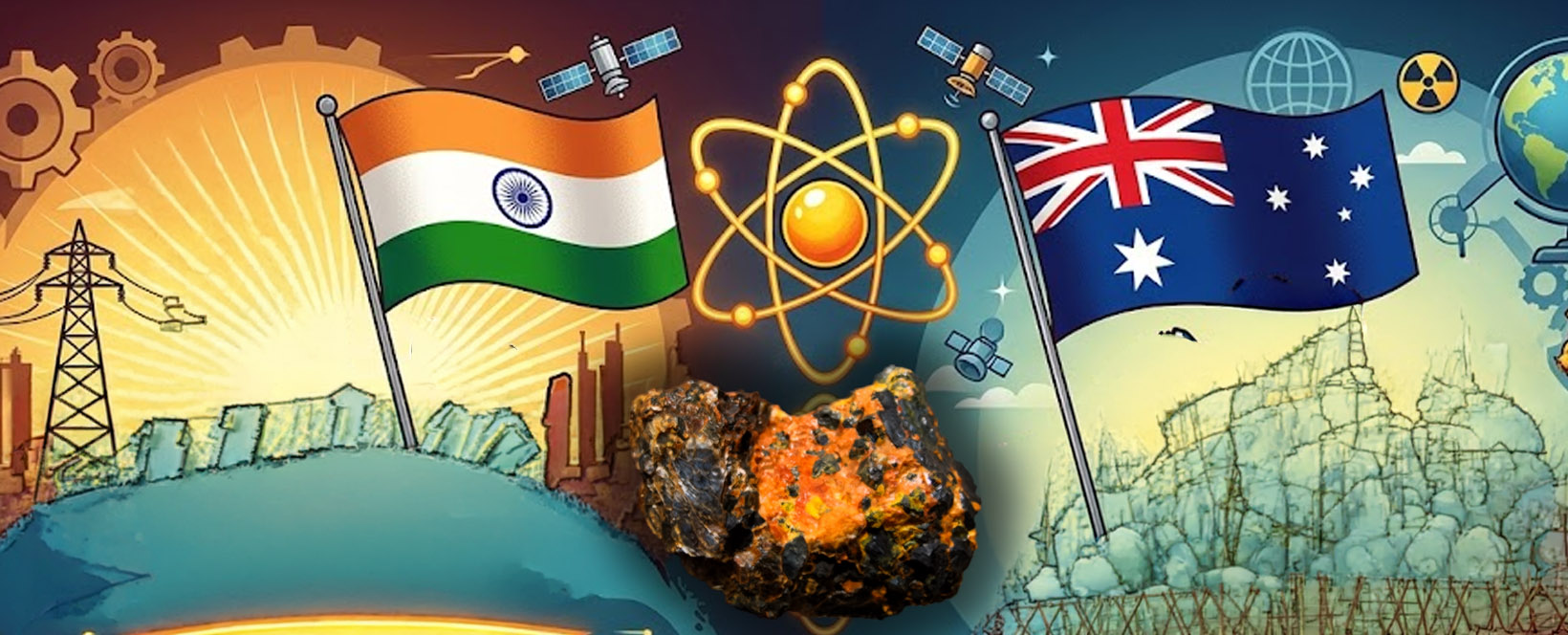
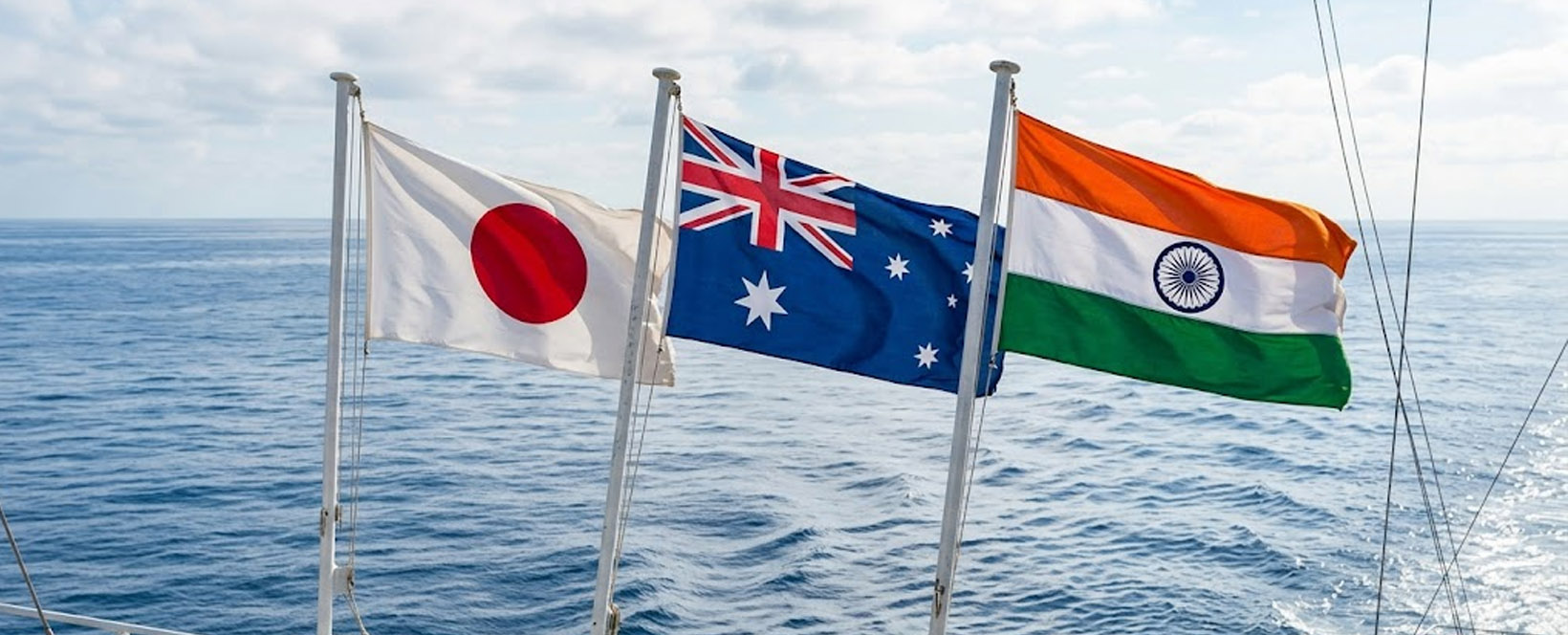
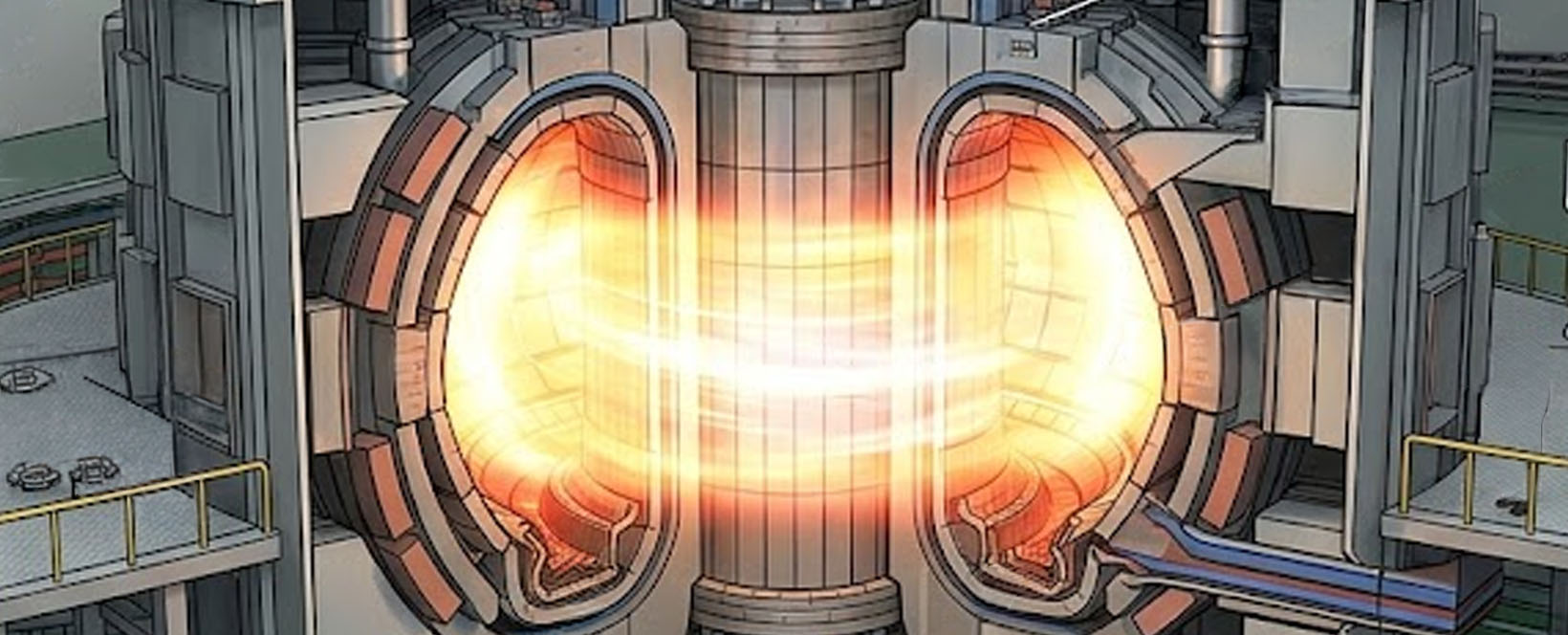
The India–Australia uranium supply agreement helps India diversify its uranium import sources and meet its target of achieving 100 GW of nuclear energy capacity by 2047.
The release of the Indian Radio Software Architecture standard marks an important step in India’s evolving approach to defence communication technologies.
Can the Indo-Pacific remain strategically coherent if India is no longer central to it, and does the shift point to something deeper than a bureaucratic housekeeping exercise?
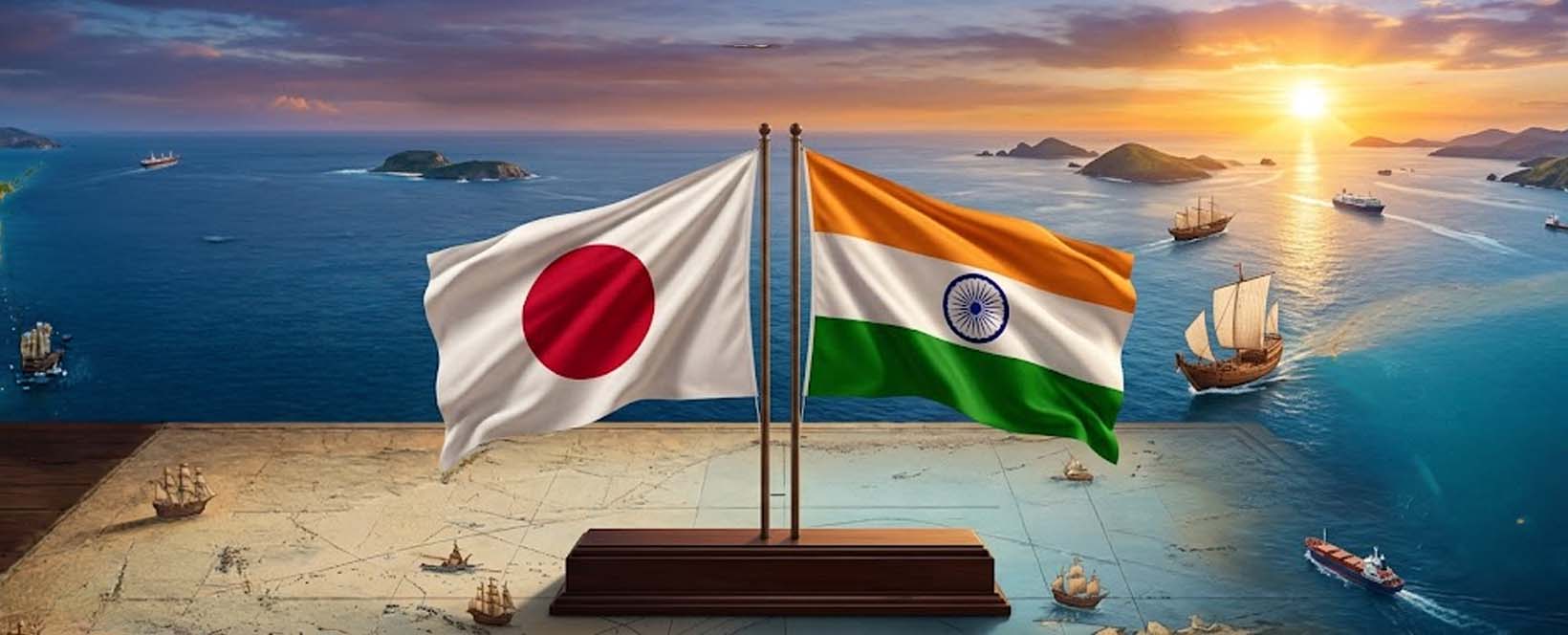
The ‘Indo-Pacific’ emerged through the convergence of Japan's long-term strategic reorientation towards India (‘Japan's India Shift’) and India's eastward engagement.
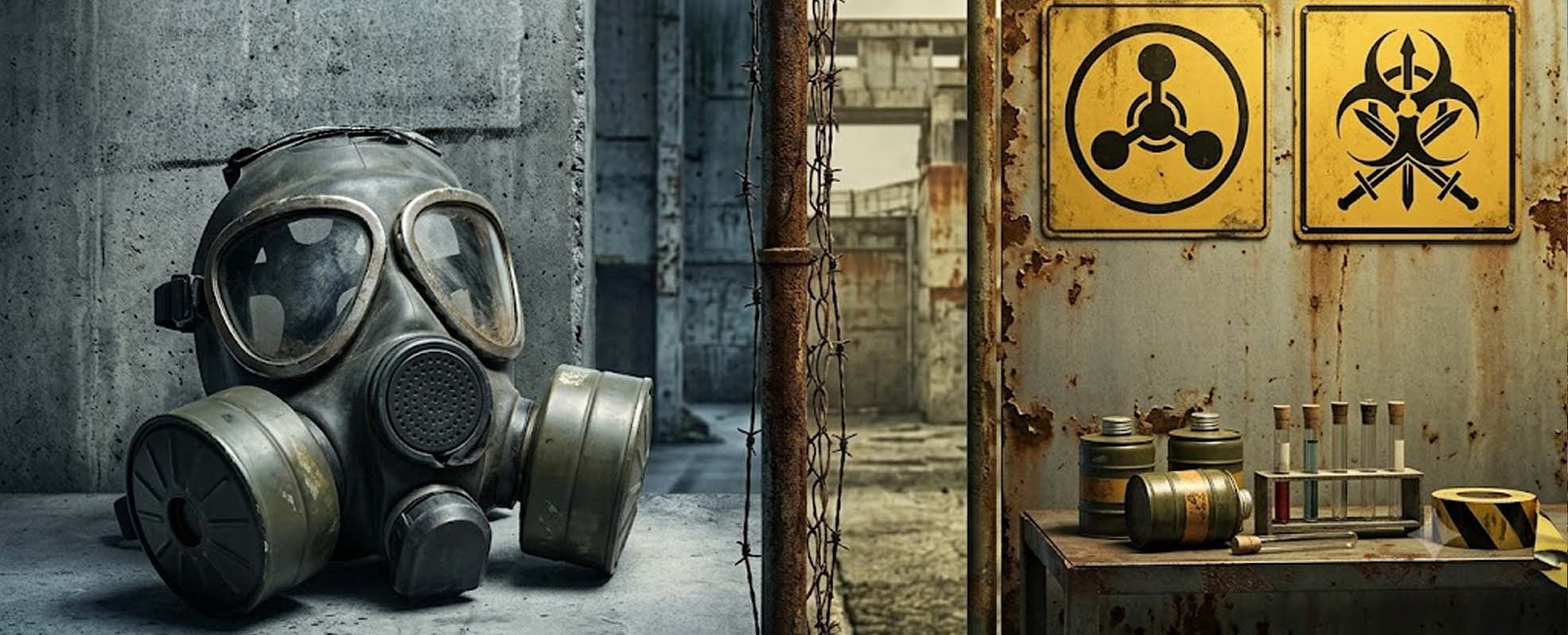
There is a need to invest in integrated chemical-biological surveillance, rapid toxicological diagnostics, emergency medical response, and public awareness mechanisms.
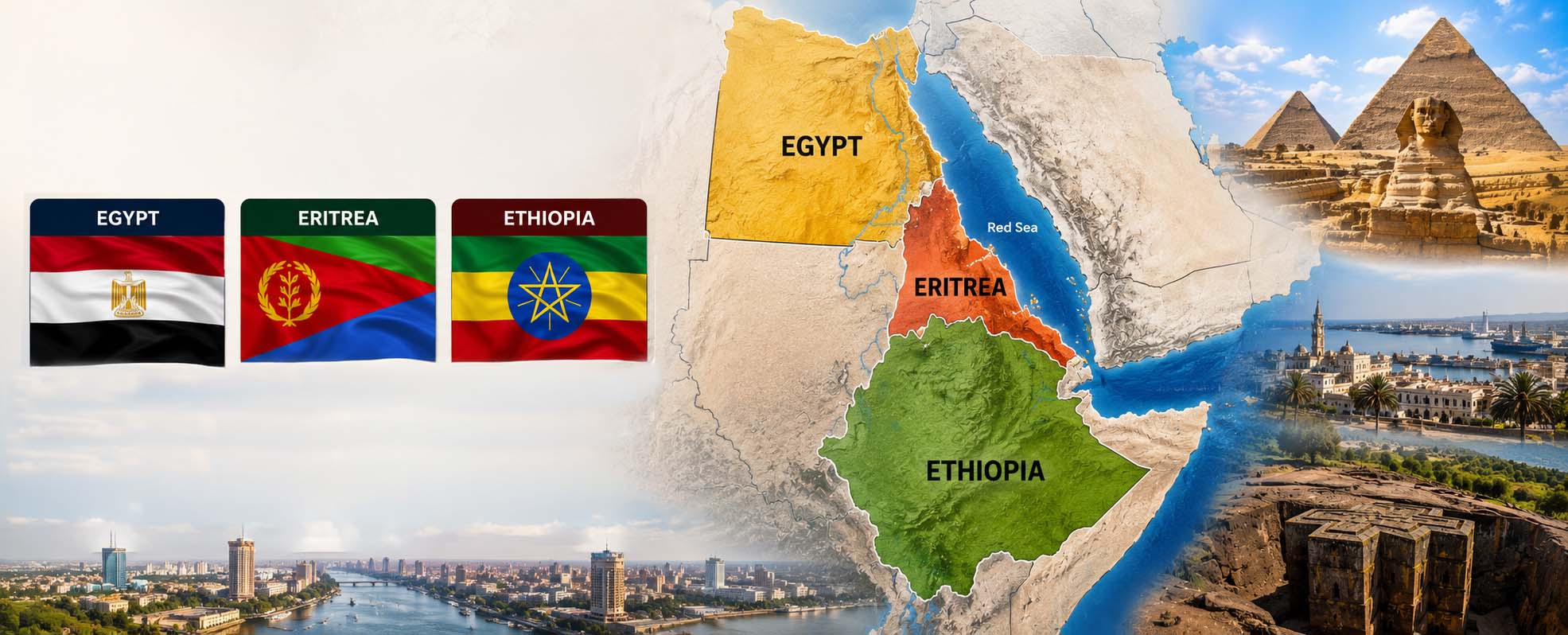
The Egypt–Eritrea understanding is shaped by concerns over Ethiopia’s growing regional influence, the future of Red Sea security and the unresolved Nile waters dispute.
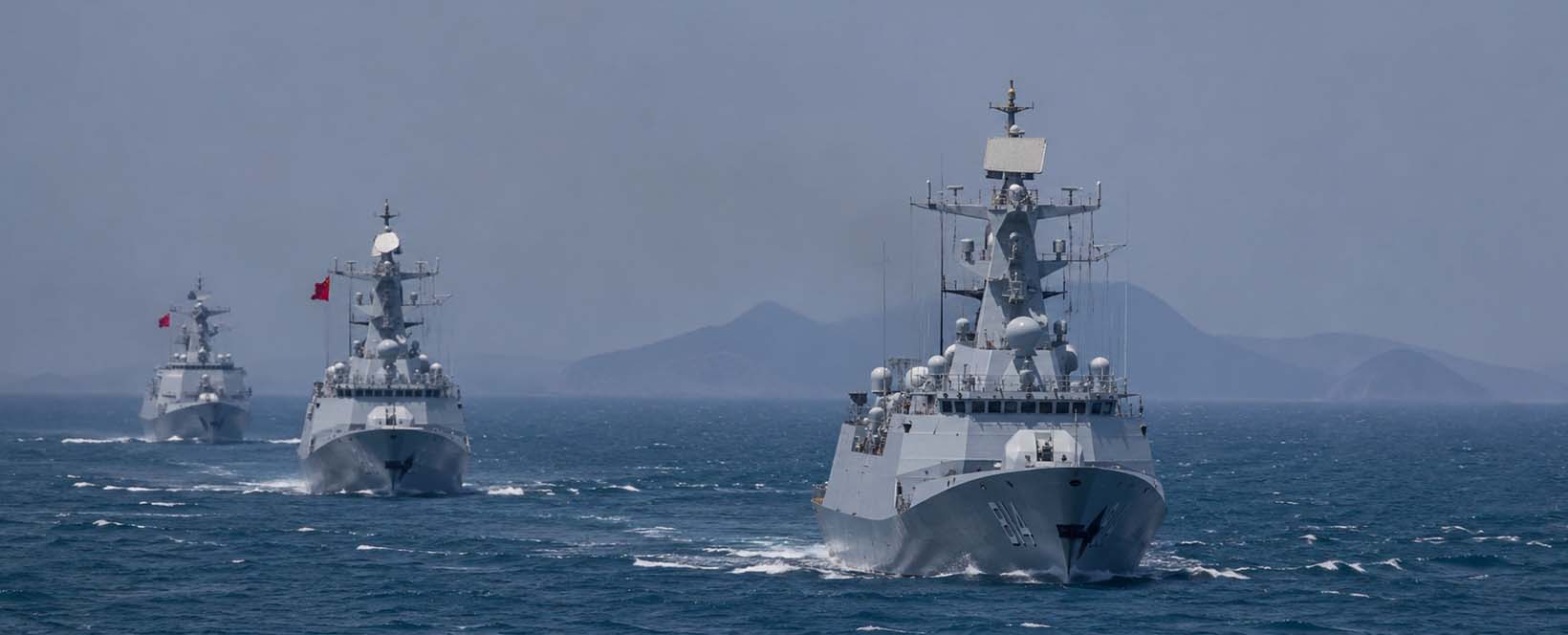
The 2016 arbitral ruling on the South China Sea in favour of the Philippines continues to shape maritime governance and strategic competition in the Indo-Pacific.
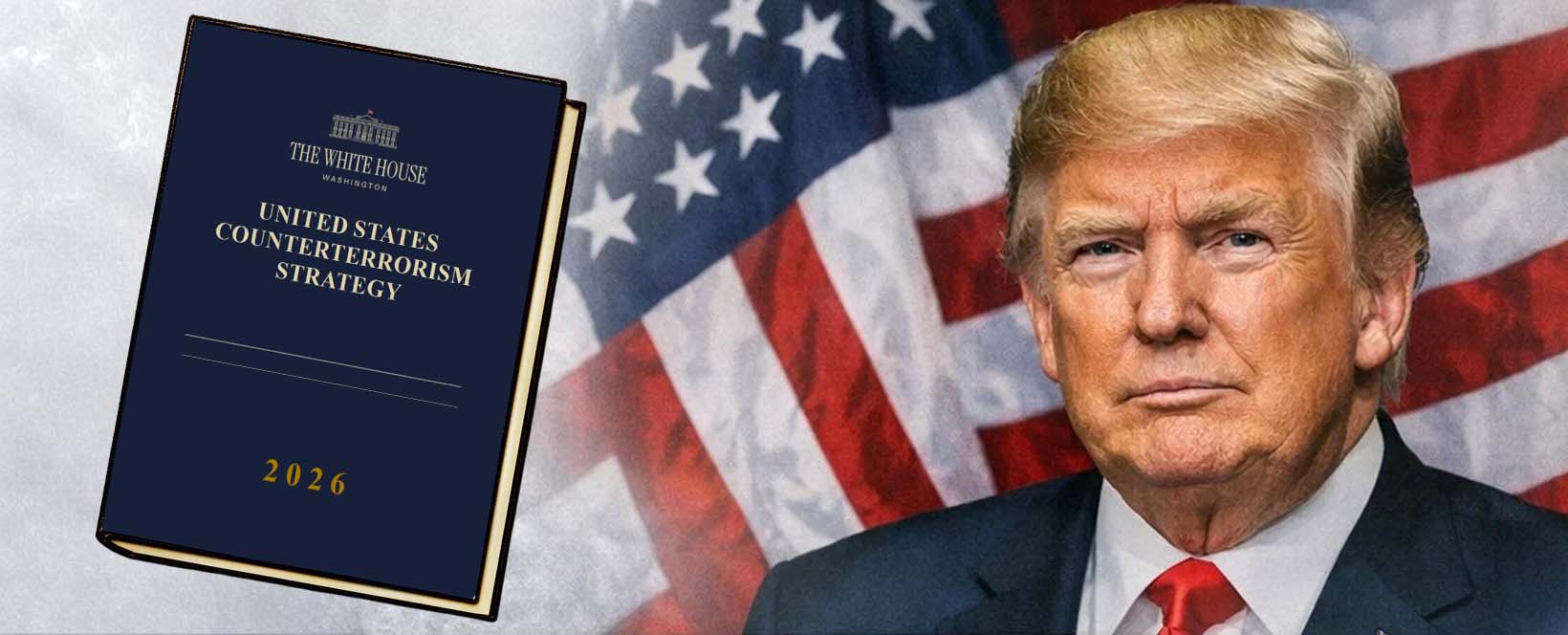
The 2026 US Counterterrorism Strategy elevates drug cartels and ‘violent left-wing extremists’ to centrality, alongside the traditional Islamic threat.
The estrangement in US–Russia bilateral nuclear dynamics is often overlooked when discussing the inevitability of the 2026 NPT Review Conference's failure.