Turkiye effectively leveraged its NATO membership to secure benefits aligned with its defence, counter-terrorism and foreign policy priorities, vis-à-vis Sweden’s accession bid.
Geopolitical and geo-economic reasons account for the Central Asian nations, barring Tajikistan, following a multi-vector approach towards the Afghan Taliban regime.
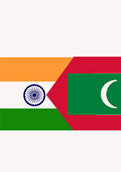
While President Muizzu’s policy towards India is short-sighted and lacks sophistication, India should continue with its measured response given the geo-strategic importance of Maldives.
With the last surviving arms control treaty, the 2010 New START, under suspension with no sign of a successor treaty, the post-Cold War nuclear order is under stress.
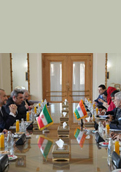
Jaishankar’s visit is a timely reminder that India’s partnership stands on its own, and Indian interests demand more rather than less engagement with Tehran.
The Indian Navy can be expected to continue to use its significant deterrent and punitive capabilities to protect the sea lanes of communications in the Western Indian Ocean.
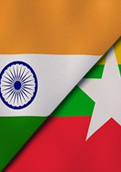
While the free movement regime did facilitate the hill tribes to maintain cross-border links, it also allowed insurgents and traffickers to freely enter and exit the country.
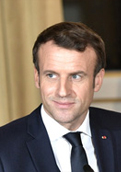
Macron hopes to offset Marie Le Pen’s popularity by appointing a young loyalist in Gabriel Attal with firm views on far right’s forte, i.e., immigration.
While Bhutan's transition from a least developed country (LDC) to a middle-income country is undeniably optimistic, its journey beyond LDC status lies in mindful governance and strategic planning.
The UN should shift towards more traditional and narrowly focused peacekeeping missions and maintain a clearer and more distinct role as a neutral mediator in conflicts.
Japan made great strides towards developing an independent foreign policy, even as it hewed closer to the Global North’s positions on the burning issues of 2023.