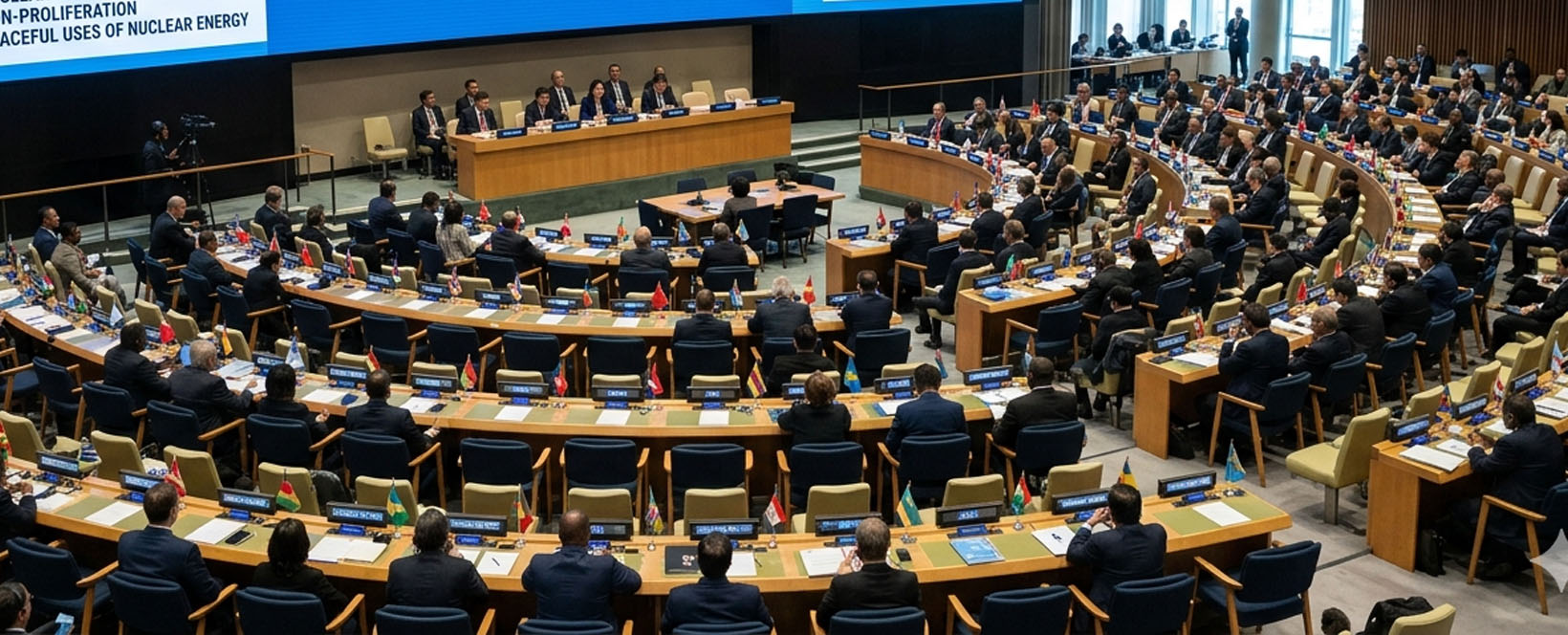
Given the ongoing geopolitical contestations involving great powers, the 2026 RevCon is heading towards a potential failure to reach a consensus document.
India’s nuclear energy autonomy rests on reliable baseload generation, diversified and contractually secured fuel supply and an indigenous fuel-cycle capability.
The shift away from a state-dominated nuclear governance framework towards an investment-friendly regime could enable the Indian nuclear industry to prosper.
Publisher: Institute for Defence Studies and Analyses
The vision for the development of nuclear energy in India is not new. It dates back to pre-independence days. The nation had embarked on the development of large-scale infrastructure for nuclear power generation and building scientific-technological base for it. The process of the development of nuclear energy was, however, not smooth. It had to overcome enormous difficulties to reach the present stage. The obstacles it had to face were primarily due to the technology denial regimes adopted by various nations that either had the expertise or had harnessed nuclear energy.
While Turkey’s nuclear ambitions are not new, President Recep Tayyip Erdogan's nuclear rhetoric is in the backdrop of Turkey's deteriorating regional security situation.
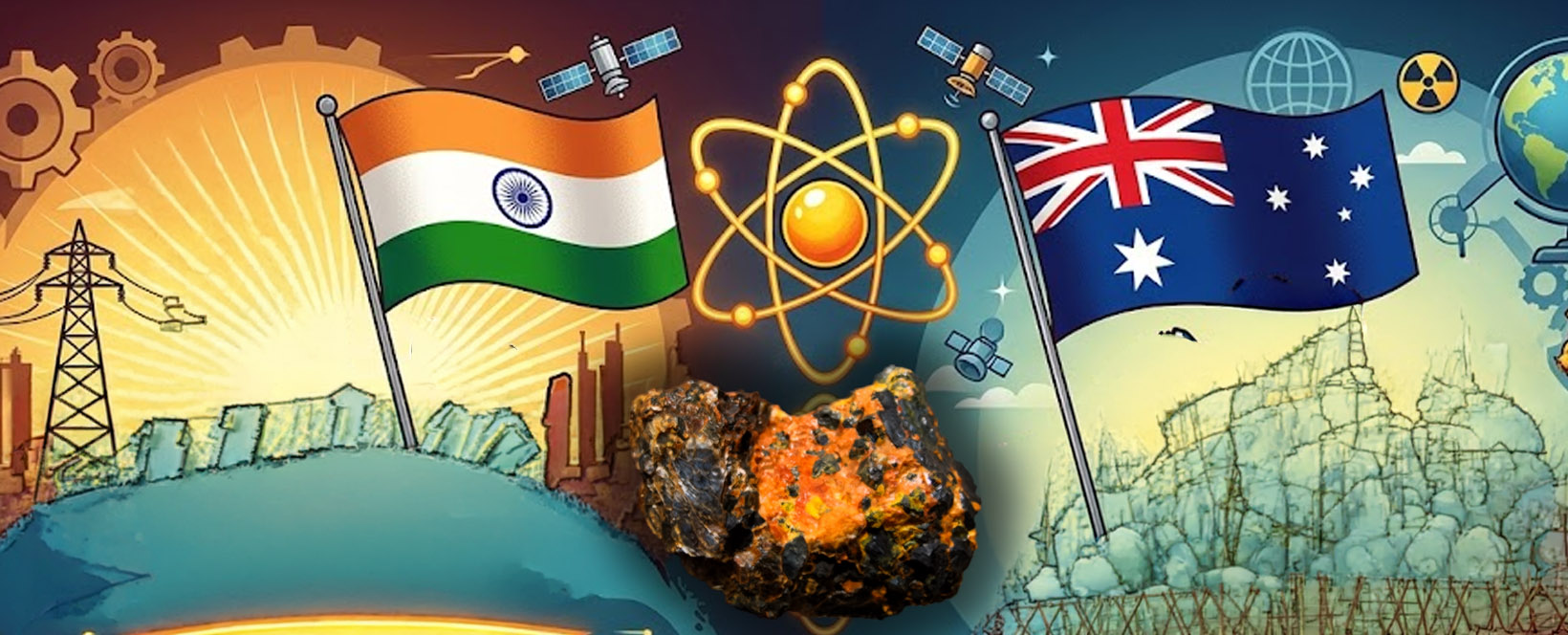
Apart from the United States, India's nuclear cooperation agreements with Japan and Australia have been the most contentious domestically within those countries. The 'slow embrace' of India's civil nuclear credentials by Japan — given the four years for negotiations to begin (after the December 2006 Joint Statement which talked about discussions regarding such an agreement with India) in addition to the six years it took for negotiations to bear fruit — took place despite the strategic context of increasingly closer economic, political, and security ties.
This article employs the 3-i framework to explore the institutions, ideas, and interests that have shaped the Bangladesh government’s policy choices for implementing the Rooppur Nuclear Power Plant, the first such plant in the country. The logic behind three choices—vendor country, reactor model, and spent fuel management—are analysed.