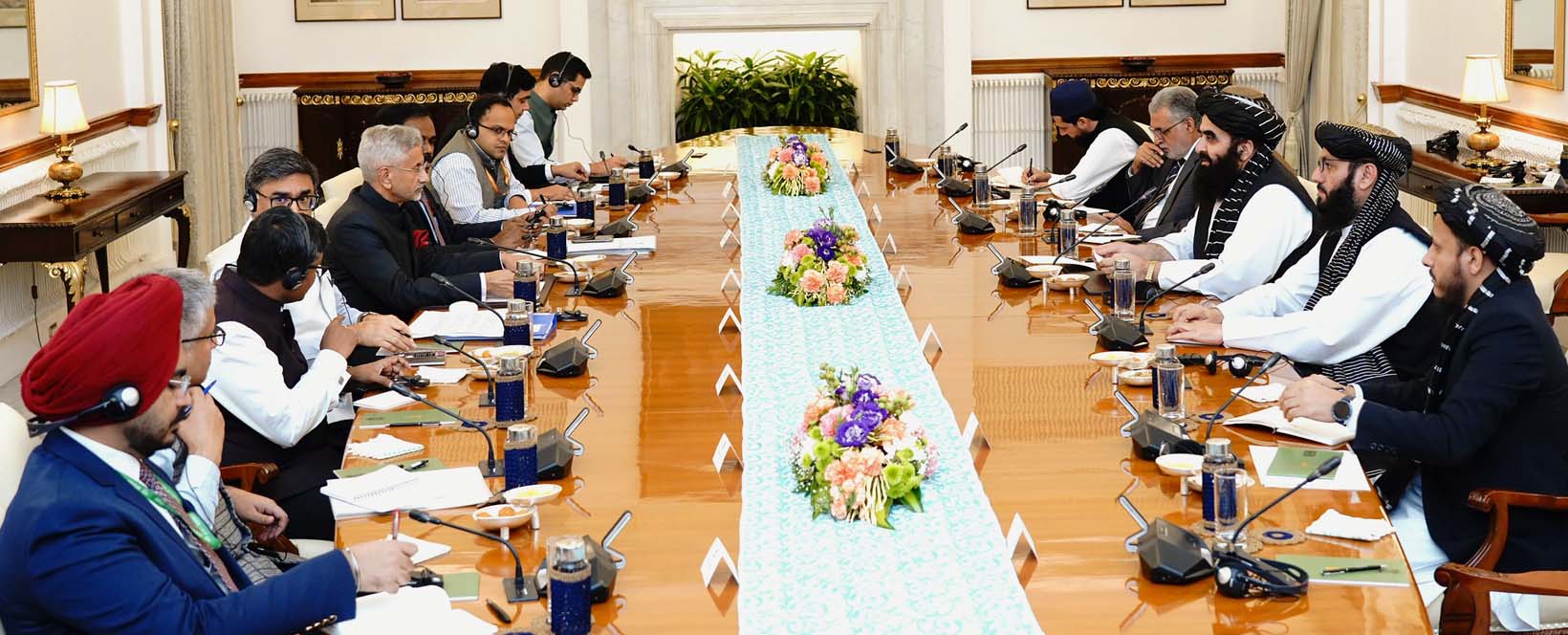
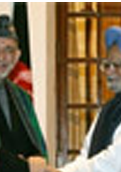
India's reference to Afghanistan as a ‘contiguous neighbour’ is a calibrated strategy to underscore the enduring nature of India’s historical connections.
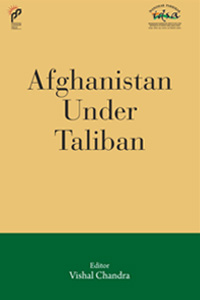
Publisher: Pentagon Press The edited volume comprises 16 chapters contributed by Afghan, Central Asian, Iranian, Russian, Western, and Indian scholars and analysts. The chapters not only dwell on country perspectives...
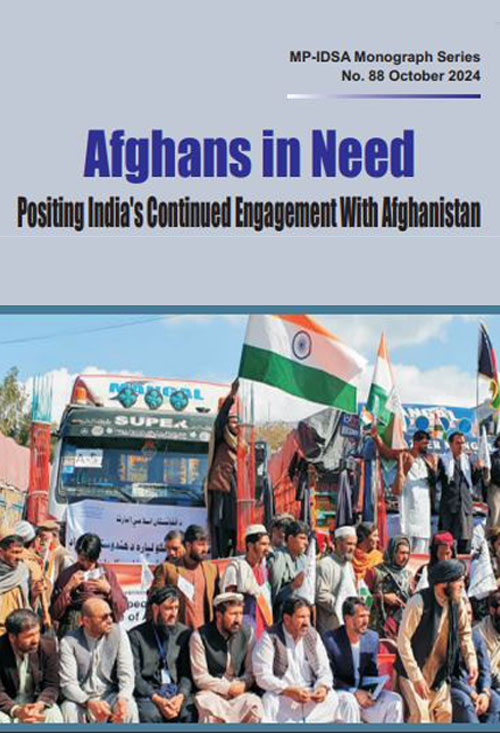
With the leaders of the Taliban regime making a concerted effort to reach out to India, and India making it clear that it will remain committed to the people of...
The unfolding horror in Afghanistan appears foreboding for India, as for the rest of the world, considering that a war-ravaged Afghanistan can well become a global terrorism hub under the...
Over the last decade we have seen a race to build ports in the Indian Ocean as the two Asian powerhouses, China and India, compete to assert their regional influence....
Fears about the Beijing-Rawalpindi axis scripting Kabul politics and thereby causing the complete marginalisation of New Delhi in the region appear far-fetched given the political dynamics of Afghanistan.
In this final part of the Policy Paper series, P Stobdan deliberates that if India and China make a calibrated move for working together in Afghanistan, the outcome could be...
India’s interests lie in a peaceful and stable Afghanistan and one of its major policy objectives would be to see the elimination of terrorism from Afghanistan and the destruction of...
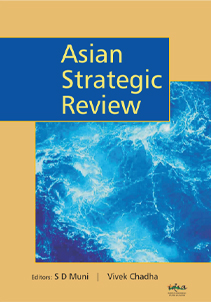
Publisher: Pentagon Press It would not be a cliche to describe the strategic contours of Asia as being at the crossroads of history. A number of significant events are influencing...