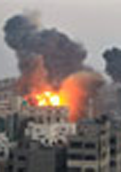
The complexity of the challenge in the Israel–Hamas conflict should not deter from the need to uphold humanitarian law and minimise the suffering of civilians by both the protagonists.
Southeast Asian nations’ responses to the ongoing violent conflict between Israel and Hamas are influenced by historical, domestic, demographic and strategic factors.
The Israel-Hamas clash diminishes prospects for the revival of the peace process and strengthens Hamas’ position as the preeminent Palestinian faction.
Since the revolution that toppled Mubarak, Sinai has become a no man’s land where jihadists from Egypt and Gaza as well as local Bedouins have begun to engage in militant...
Both sides appear to have wisely avoided a gruelling battle of attrition by opting for a tactical truce - not seemingly on account of a preference for peace but because...
As the new government headed by Likud leader Benjamin Netanyahu takes charge in Jerusalem, it seems that there are no easy solutions to what Israel perceives to be its central...
A fundamental principle of humanitarian law, non-combatant immunity, has been virtually consigned to history during the Bush years. To a large extent this can be considered a ‘success’ for terrorists....