The various connectivity projects put forward by India show its involvement as an investor in capacity-building efforts in the recipient countries across sectors of their particular needs and choices, not...
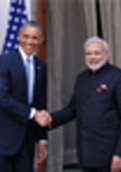
The foreign policy establishment can justifiably feel upbeat with the results of the Modi-Trump meeting, which have been most gratifying especially given the uncertainties in the run-up to the visit.
With changing times and the growing profile of India in the international system, there is a need for a change in the structure and process of recruitment into this very...
India’s current Prime Minister Narendra Modi is often touted as India’s Deng Xiaoping, expected to lead the country on a path of economic reform and accelerated growth.1 While Modi rose...
The US Pivot and Indian Foreign Policy is based on the premise of the ascendance of Chinese power and relative decline of the United States (US) on the world stage...
This backgrounder explores three issues: the strategic significance of the South Pacific for India, the advantages that India enjoys over China in the region, and the status of India’s relationship...
Ceding PoK as part of a settlement does not comport with India’s national and strategic interests, especially in terms of dealing with the challenge posed by China-Pakistan collaboration.