BIMSTEC needs to build on regional synergies and work towards utilising the available resources optimally by focusing on fewer priority areas and undertaking projects that are economically feasible.
Given an already upset population and the presence of anti-establishment factions, the unequal distribution of the benefits of CPEC is likely to ignite protests and cause a setback to the...
AIIB is a Chinese dominated bank and the Chinese excitement about AIIB is based on the control and strategic clout that Beijing, the bank’s main architect, wields over its functioning.
Isolated statements from China and Pakistan soliciting India’s participation in CPEC could be part of a strategic mind-game. India must consider engaging astutely in this mind-game.
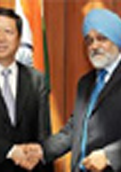
This work reviews the significance and progress of Strategic Economic Dialogue (SED) in India-China relations. But addressing macroeconomic subject matters that concern the two countries’ strategic interests requires methodological deliberations...
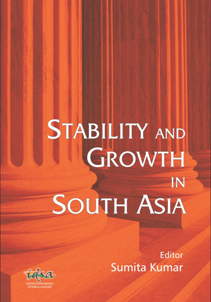
Publisher: Pentagon Press This book examines the forces and processes which have led to relative political stability or unleashed trends in that direction in some countries of South Asia. It...
This issue brief looks at the growing China-Russia relationship in the backdrop of a volatile North East Asia and the US ‘rebalancing’ to Asia –Pacific. While China-Russia relations have not...
Now that NAM is defunct and very little wealth is left in the Commonwealth, and given that the G-20 has a set parameter and doesn’t encompass the aggregate of the...
The SED is an important forum that can render valuable service to the cause of greater economic cooperation and work like an effective confidence building measure.