While there has been a significant reduction in opium cultivation in Afghanistan under the Taliban’s watch, there is a need to more effectively address underlying drivers of opium cultivation.
Jammu and Kashmir (J&K) has witnessed a 2000 per cent surge in heroin-related drug seizures between 2017 and 2022, with significant national security and societal consequences.
The Shan state of Myanmar is the largest producer of illegal drugs within the infamous Golden Triangle—a tri-junction at the Myanmar, Laos and Thailand borders.
The international security environment has undergone many changes since the end of the Cold War. There has been a need to adapt the concept of security with the changing conditions...
India’s security strategy for the economic corridors and connectivity will have to entail water tight anti-drugs control measures and mechanisms to snuff out the possibilities of surges in narcotics trafficking...
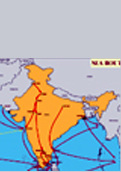
Trafficking of drugs takes place overwhelmingly through land borders followed by sea and air routes. Given the vulnerability of the borders to drug trafficking, India has tried to tackle the...
India should implement its agreements with Bangladesh in a time bound manner, fast track trans-border infrastructural developmental schemes and address the interests of the common people of Bangladesh.
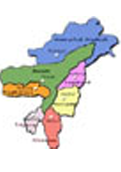
Drug trafficking has become a major source of funding for armed groups in the north east and contributes to the continuance of militancy in the region.
This article deals with financing of Islamist terror in Bangladesh, which on occasions becomes jihadi in nature, especially when it is directed towards India. The exercise undertaken studies developments in...
In recent years India, along with China and the Association of Southeast Asian Nations, has been following a policy of diplomatic engagement with Myanmar. India has also clarified its diplomatic...