From the Look East Policy (LEP) adopted by the Government of India in 1992 upto 2022, for 30 years, India’s partnership with the Association of Southeast Asian Nations (ASEAN) has deepened in three areas: politics and security, economy, and socio-culture. The Modi Government’s stress on the Act East Policy (AEP) has bolstered the partnership, connecting value chains and achieving milestones like the ASEAN Customs Transit System (ACTS) launched in 2020, supported by e-commerce and digital connectivity. The ASEAN and India today present a combined population of over 1.8 billion, about a quarter of the world, and a total GDP of US$ 3.8 trillion.
The East Asian subregion has undergone profound transformations in its national power distribution since the end of the Second World War and especially, during the post-Cold War period. Several countries in the region, previously underdeveloped, have managed to emerge as powers of global relevance, while in the 21st century some of these same powers are declining or facing challenges to maintain their power. In a subregion of crucial strategic importance, these changes demand an analysis and update of the national power dynamics in East Asia.
Two influential Japanese scholars’ visions of the Indo-Pacific region offer divergent perspectives on the evolution of thinking on the concept among Japanese strategists.
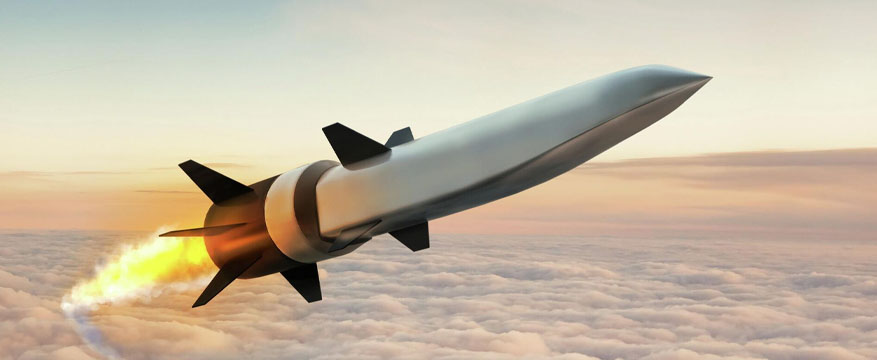
The use of hypersonic weapons in the Russia–Ukraine war and increasing relevance in the Middle East is reflective of a major paradigm shift in contemporary conflicts.