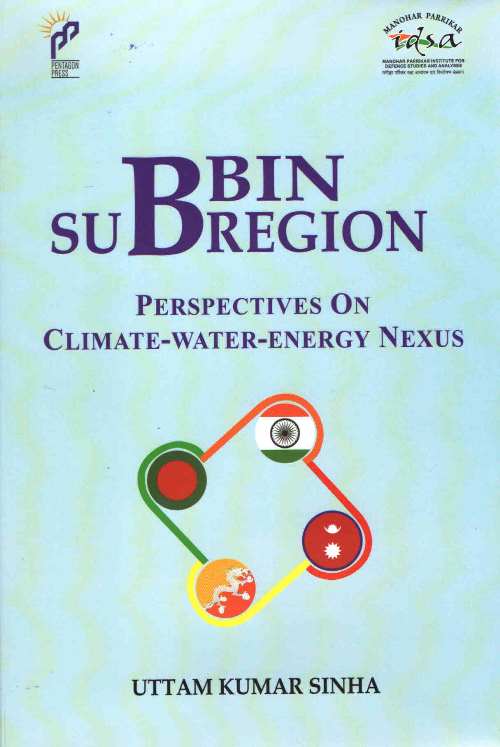
Publisher: Pentagon Press Bangladesh, Bhutan, India and Nepal (BBIN) are home to 21 per cent of the world’s population. With projected economic growth in the BBIN countries, a consequent increase...
With the Russian invasion of Ukraine, the expansion of energy routes and suppliers has assumed increased urgency not only for Poland but EU as a whole. To what extent this...
Nord Stream 2, a Russian undersea gas pipeline project that intends to deliver natural gas from Siberia to Germany, currently sits at an intersection of several geopolitical and geo-economic cross-currents...
In the aftermath of the successful ‘America First’ or ‘Make America Great Again’ presidential election campaign, President Trump’s era inaugurated the realm of energy politics. It began with the US...
While there is no immediate shortage of oil as the market is balanced for the time being, there are growing concerns about potential conflict in the region leading to supply...
With US sanctions in place on the Venezuelan oil industry, global oil prices are set to rise once again, which may have major geopolitical and geo-economic consequences.
China has managed to establish an edge in solar energy manufacturing and technology, and any shift in its solar policy is likely to affect countries looking to increase their solar...
A strategic petroleum reserve offers India the leverage to be a serious player in the international oil market, as it will have the option to release supplies when prices spike...