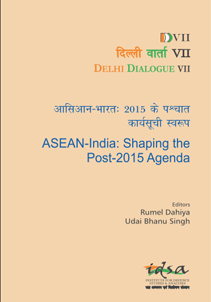
Publisher: Pentagon Press This volume is based on the proceedings of Delhi Dialogue VII held in March 2015. It epitomizes the growing dialogue between India and ASEAN at all levels....
Southeast Asian nations’ responses to the ongoing violent conflict between Israel and Hamas are influenced by historical, domestic, demographic and strategic factors.
The ADMM-Plus offers India and ASEAN opportunities to develop practical collaboration on security issues ranging from terrorism, maritime threats and other non-traditional threats.
The recent Joint Statement issued after the Quad Foreign Ministers’ meeting in Melbourne indicates the grouping’s drive towards institutionalisation and coming close to achieving a concrete mandate for its existence.
The BrahMos deal with the Philippines marks a convergence between India’s Act East and Defence Export policies and adds to its profile as a reliable defence partner in the Indo-Pacific.