Contextualising Xi Jinping’s New Year Addresses
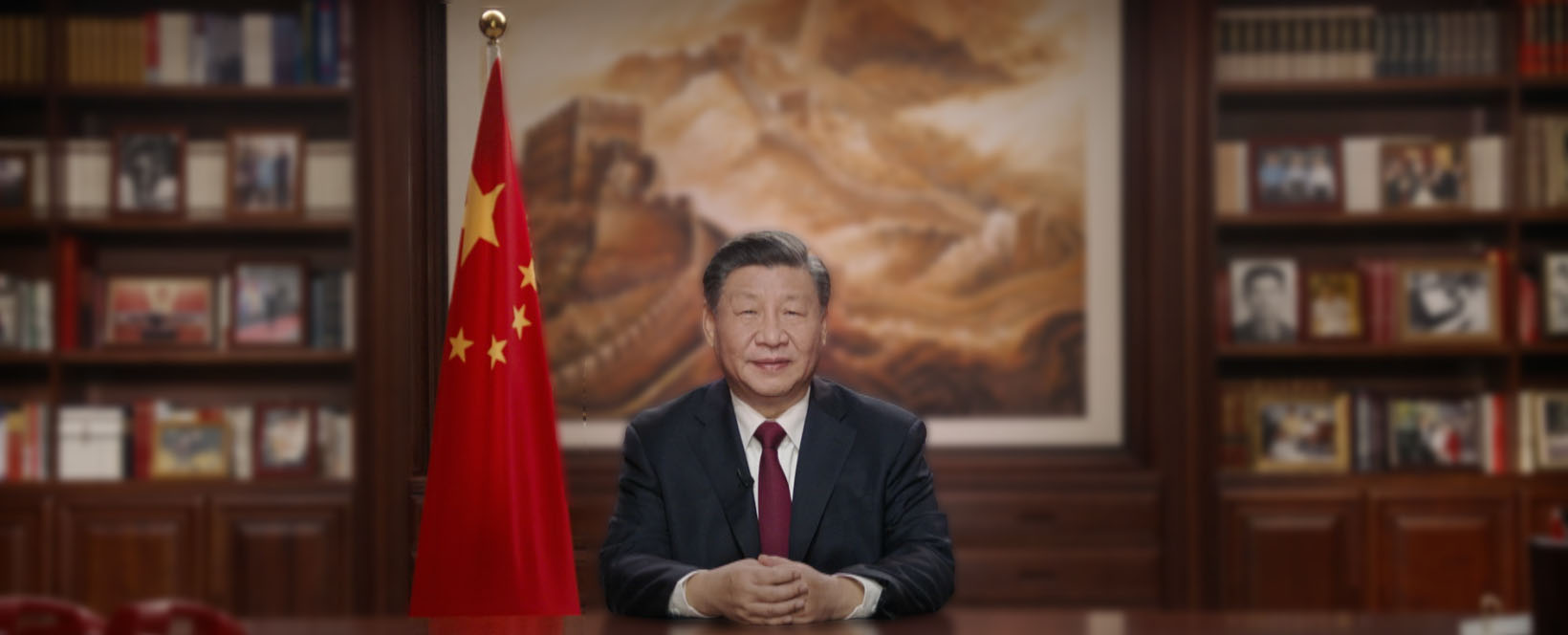
Issues concerning economic and technological modernisation, party discipline and geopolitical manoeuvring were central to President Xi Jinping’s New Year's address.
While the A4 protests in China were a significant development, they may not lead to long-lasting socio-political changes
The Indian media exhibited a very negative assessment of the 20th CPC Congress and of Xi Jinping’s third term.
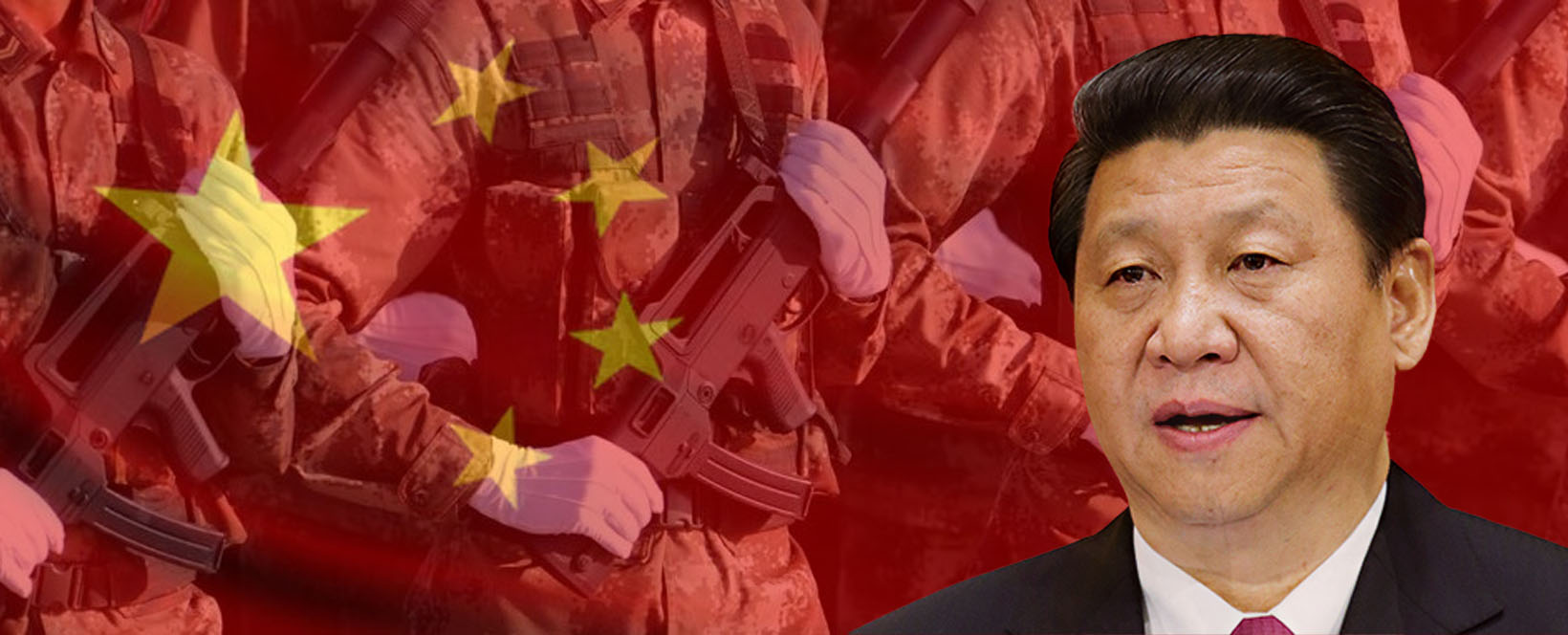
The growing insecurity and threat perceptions articulated in the 20th Party Congress Work Report by Chinese President Xi Jinping indicates that Beijing is likely to become more assertive and belligerent in its international dealings.
Xi Jinping’s New Year address implicitly underlined his intent of directing China to look inward. While this strategy to turn inward may have been triggered more by domestic exigencies than by external systemic pressure, the implications will be felt both domestically and internationally.
The CCP has invested heavily in telling “China’s Story Well” by amplifying its discourse power. However, looking at China’s discourse politics from an absolutely narrow propaganda lens would be a folly, for the stakes for India are much higher, more nuanced and across multiple domains.
Xi’s rousing words at CCP’s centenary celebrations have reaffirmed China’s intentions to make every effort in actualising its domestic goals and global ambitions—without holding much regard for the rules-based order.
There are several significant events which preceded China’s constitutional amendment of March 2018 that removed the presidential term limit boosting Xi Jinping’s standing as China’s prospective leader-for-life. Born to a revolutionary leader, Xi Zhongxun, Xi Jinping spent most of his life serving the government, gradually working his way up the hierarchy. His precedence in the Chinese Communist Party (CCP) and authority over all political institutions of the People’s Republic of China (PRC) have arguably placed him at par with Mao Zedong and Deng Xiaoping.
It is neither the Wuhan spirit nor India’s zero tolerance on terrorism but China’s own vulnerability to terror that caused Beijing to ultimately take on board New Delhi’s concerns on terrorism.
There is a need to close the perception gap in India’s assessment of the state of Chinese politics, to distinguish between transformation and conflict, and respond accordingly.