US–China Cyber Relations and the Weaponisation of Microsoft Platforms
China has increasingly exploited Microsoft vulnerabilities in its cyber rivalry with the US.
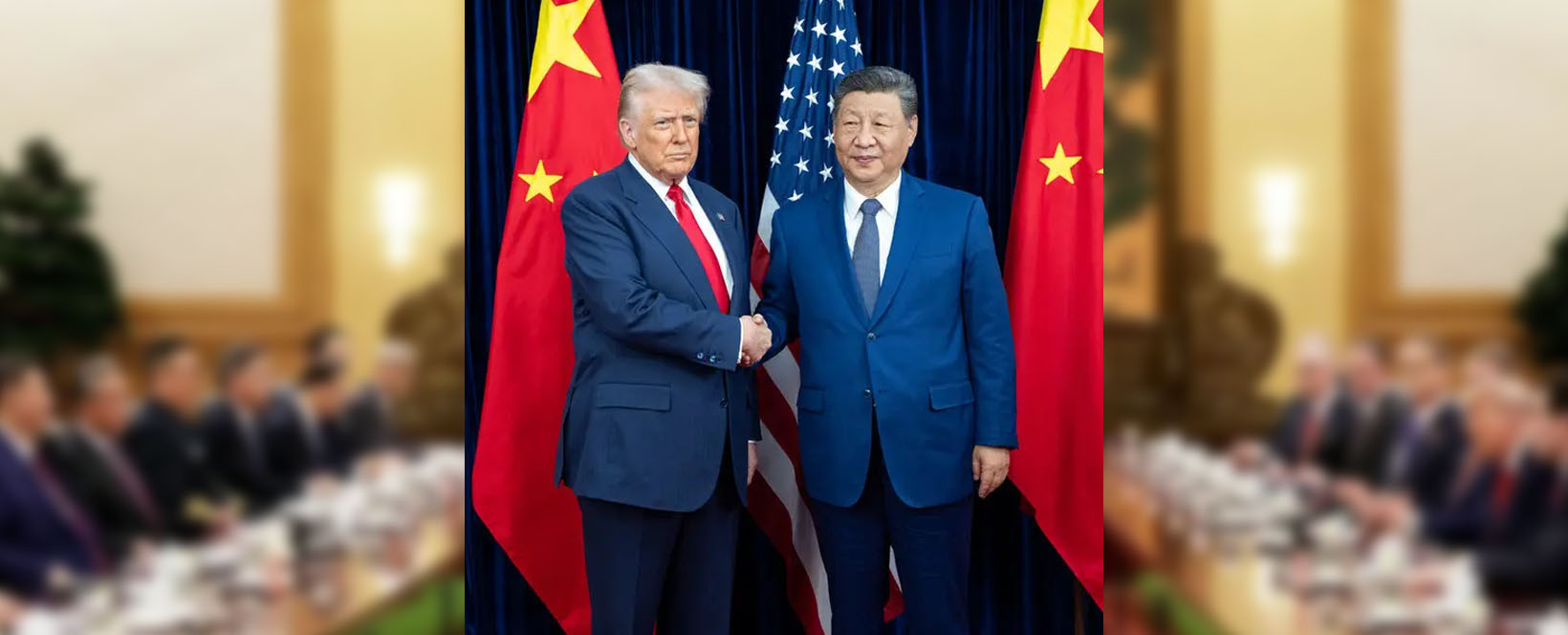
Sino-US diplomatic engagement has been successful in fostering a modicum of stability between the two countries, despite significant contentions.
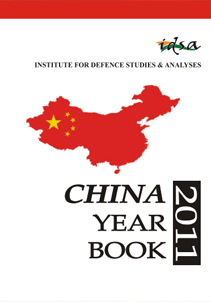
The Year Book seeks to promote a better understanding of contemporary issues affecting China and their impact on India. This first edition of an annual series of year books is a compilation of incisive chapters focussing on China’s relations with the US, South Asia, ASEAN, Japan and East Asia, Central and West Asia, and the SCO. India-China relations—of considerable interest and significance to India—are discussed as are the Chinese economy, media, the People’s Liberation Army, and the political landscape inside the country.
An annual publication from the Institute for Defence Studies and Analyses (IDSA), The China Yearbook 2012 is a round-up of events and issues of significance that occurred in China during the past year and covers important developments in the domestic and foreign policy spheres.
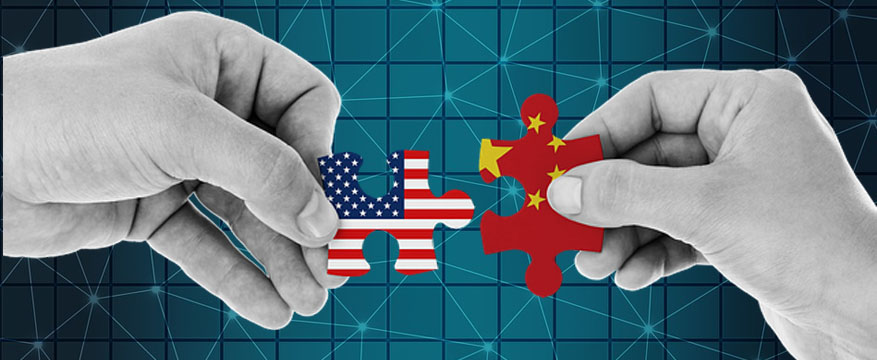
US–China relations have become increasingly contentious due to a variety of issues spanning trade and economics to military and geopolitical concerns.
The US–China balloon row shows that the significance of methods like balloon surveillance has not reduced in the era of high-tech satellites and drones.
Technology as an Arbiter of the US–China great power rivalry is starkly visible in both countries' recently released national security documents.
China’s technology sector has faced challenges due to sanctions imposed by the United States.
As Yoon Suk-yeol takes charge amid global disorder and deep domestic divide, his legacy will be defined by how well he succeeds in effectively walking the talk of positioning Seoul front and centre in shaping a rules-based order in Indo-Pacific.
Prime Minister Kishida Fumio gave a resolute call for pursuing “realism diplomacy for a new era” in his Diet deliberations. How strategically innovative and politically effective will it prove in pursuing Tokyo’s national interests in the US–China–Japan calculus?