The present state of affairs indicates that India will continue to be a reservoir of talent for other countries to power their growth, than the global innovation powerhouse that it aspires to be.
The United States faces a budget crisis of proportions with no precedent in its recent history. The country’s economic dominance since the end of World War II has supported a military posture with global reach and influence.
India should seek a regional solution to the Afghan conflict, involving a regional force under a UN flag to provide a stable environment for governance and development till the Afghan National Army can take over.

The paralysis at the Conference on Disarmament (CD) captures the state of affairs that has bedevilled the field of arms control/disarmament during the last 10 years.
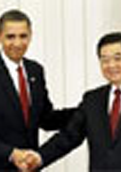
While the Chinese president’s trip concluded with a joint statement and the signing of trade and investment deals, it achieved little in terms of addressing pressing global problems and bilateral issues.
Primarily because of the uncertainties surrounding US-China relations, the Hu-Obama summit ended in a stalemate with both leaders agreeing to disagree on important matters.
The defence diplomacy of the United States in the midst of the current war against terror in Afghanistan is designed towards ending the US military operations without ceding total authority to the Taliban. The US-led international coalition of forces, that include NATO forces, have failed to crush the Taliban. On the other hand, Taliban have been unable to force the external forces to quit Afghanistan. The US does not want to quit without the assurance that no second 9/11 takes place.