As the rebel forces, including those affiliated with Hayat Tahrir al-Sham (HTS) have taken over Syria, Russia can expect mounting challenges to curb rising terrorism back home as it fights...
The persistence of conceptual confusion regarding terms associated with terrorism impedes the legitimacy and effectiveness of counter-terrorism campaigns.
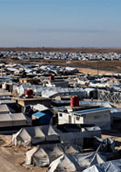
Concerns of radicalisation in SDF-run facilities in Syria remain high, given that reports flag corruption, crime, and deplorable security conditions at these camps.
With the war in Ukraine moving towards an uncertain resolution, there is a danger that the influx of heavy weaponry and foreign fighters could bring in a new set of...
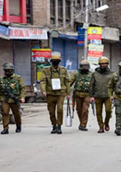
The decline in terrorist incidents and reduction in infiltration from across the border is no doubt a positive development but this alone cannot guarantee peace in Jammu and Kashmir. Strengthening...
The false compliance present within the radicalised individuals and convicted terrorist offenders pose a considerable threat to the society, following their release from de-radicalisation-based institutions.
The attack on Mohamed Nasheed has exposed Maldives’ vulnerability to acts of terrorism. The biggest test for President Solih is to overcome the challenges to tackling national security threats and...
Imran Khan’s overemphasis on further mainstreaming the religious education might result in increased conflict between his government and the opposition and also the civil society in Pakistan.