Jihadist Radicalisation in Tamil Nadu
Greater attention needs to be focused on effectively countering threats of radicalisation affecting India from Southeast Asia.
- Mathew Sinu Simon
- March 01, 2021
Greater attention needs to be focused on effectively countering threats of radicalisation affecting India from Southeast Asia.
In the aftermath of Samuel Paty’s beheading, France is taking measures that seek to reverse the processes through which individuals become ‘terrorists’. If successful, other countries could emulate such policy interventions in their own counter-radicalisation efforts.
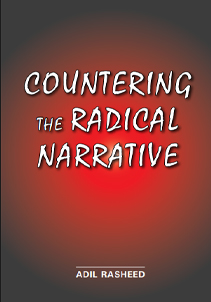
The indoctrination of these extremist ideologies lead to transformation of law-abiding citizens into violent extremists, a process known as radicalisation. This book proposes ways and techniques for reversing this process of radicalisation by taking the fight to the terrorists in the ideological domain. It proposes ways for developing and launching counter-narrative campaigns against radicalisation in order to drain the ideological swamp from which terrorist organisations continue to rear their ugly heads. This book specifically provides conceptual insights into developing counter-narratives against jihadist organisations, like Al Qaeda, ISIS and Pakistan-based terror groups.
An effective counter-narrative against radicalisation, supported by religious scholars, could help fight the challenge in Indonesia.
Scholars from various academic disciplines have attempted to explain the nature and drivers of the 21st century sui generis phenomenon of radicalization. However, it is rare to find a single book which not only details and builds on the body of work in this still evolving field but also sheds fresh insight into the many unresolved issues that demand fresh perspectives and approaches.
The Easter bomb blasts is a grim reminder of how the undercurrent of ethno-religious violence remains a dominant factor in Sri Lanka’s chequered history.
The Indian strategic community has for long debated aspects of jihadist radicalisation in the country—particularly over its origins, causes, extent, trajectory and possible counter-measures. This article posits that in the absence of clear perspectives, the incipient threat of jihadist radicalisation has the potential to metastasise and snowball quickly, as has been witnessed in other parts of the world in recent times.
The distinct feature of radicalisation in Mozambique is that local issues enable the Ansar ul Sunna to conduct its nefarious activities. So rather than take a hard approach, it would serve the Government well to address the growing local concerns of unemployment, social exclusion and underdevelopment in order to curb the influence of Islamic extremism in Mozambique.
Since the outbreak of the Arab unrest, sectarian politics has become more pronounced throughout the West Asian region which is reflected in the growing polarisation of society and politics on narrow sectarian lines. Rulers have adopted sectarian approaches as a measure to secure their regimes.