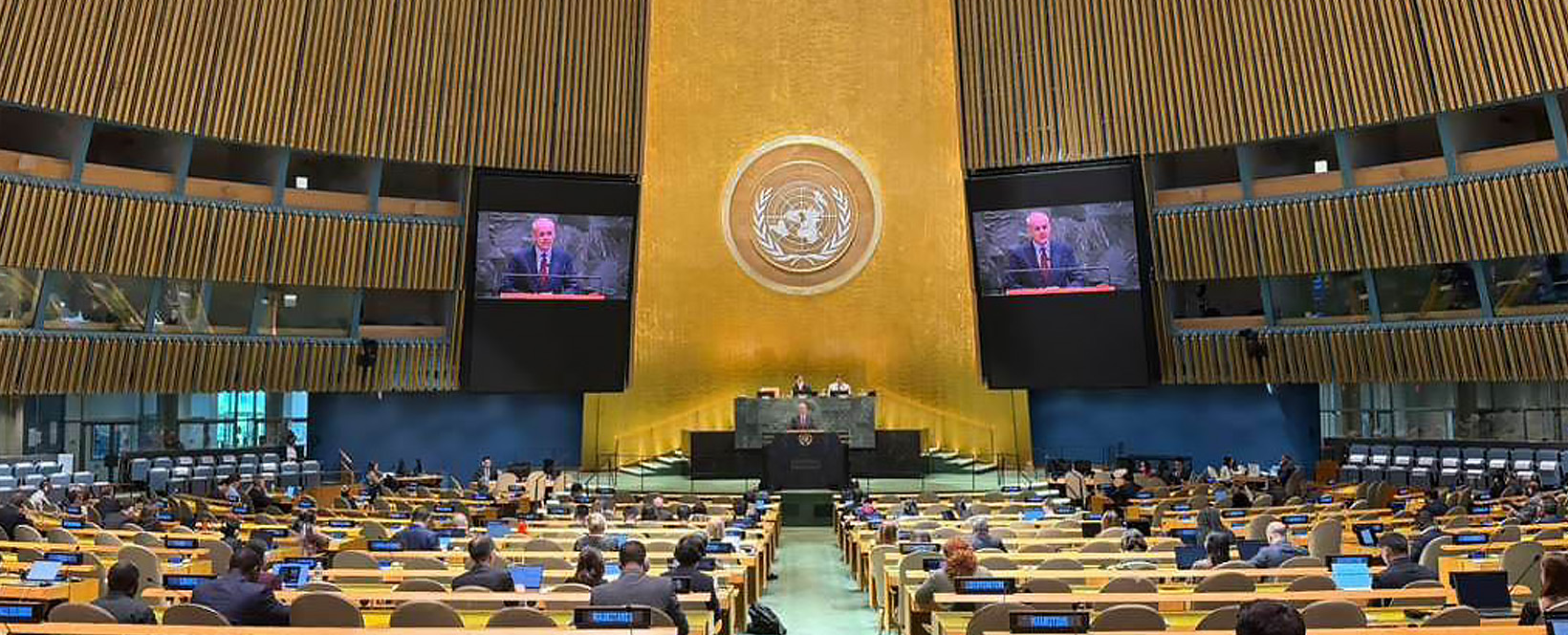
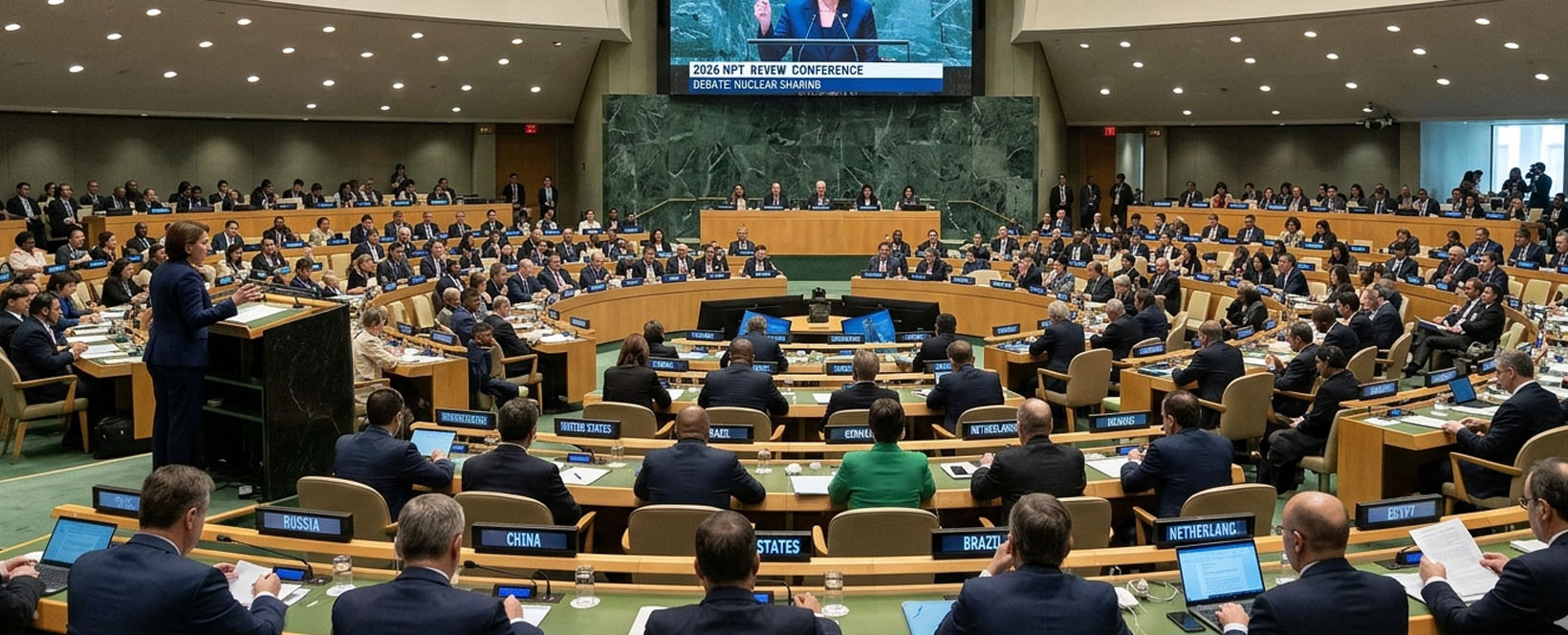
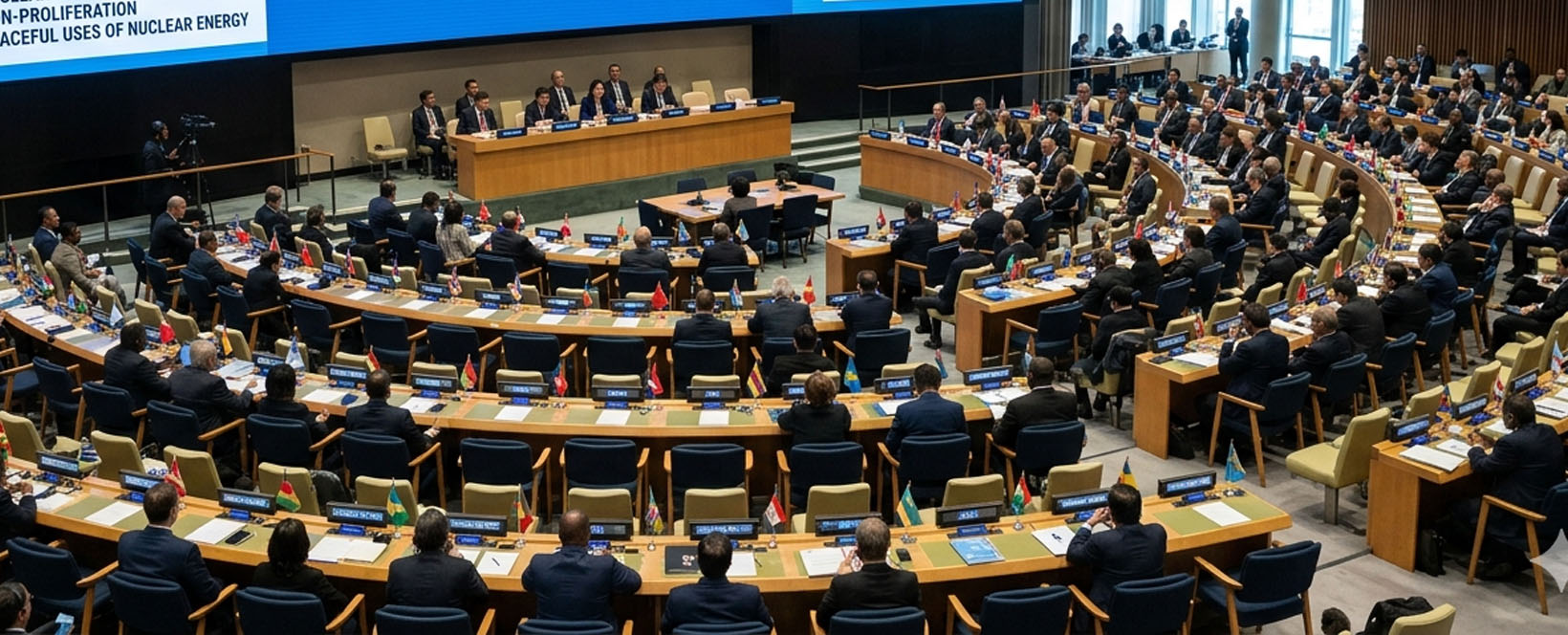
The estrangement in US–Russia bilateral nuclear dynamics is often overlooked when discussing the inevitability of the 2026 NPT Review Conference's failure.
Given the ongoing geopolitical contestations involving great powers, the 2026 RevCon is heading towards a potential failure to reach a consensus document.
The 2015 NPT RevCon ended on an expected dismaying note. The only positive outcome was its endorsement of the recent initiatives to project the humanitarian consequences of nuclear weapons, though...
As long as nuclear weapons determine a nation’s power and capability, India must have no hesitation in strengthening its nuclear capability and learn to ‘live with the bomb’.
The RevCon, after abundant manoeuvring and political one-upmanship, finalised quite ‘consensually’ a much diluted and defeatist document that promises to ensure that disarmament remains a dream.
While the United States charges Iran of being in non-compliance with its NPT obligations, Iran points out that the United States and other NPT nuclear weapon states are in non-compliance...
It is unlikely that the Revcon will be able to agree on a credible roadmap for nuclear disarmament although there may be some marginal progress on some issues.
Amongst the challenges that bedevil the Non-Proliferation Treaty (NPT) today, the NPT Review Conference (RevCon) 2010 will have to particularly handle two issues: one, right of non-nuclear weapon states (NNWS)...