The BBIN-MVA would enable seamless sub-regional connectivity, deeper integration on economic issues and people-to-people contact between the four counties.
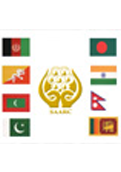
In spite of the existence since October 2006 of a SAARC Disaster Management Centre, the Nepal earthquake brought to the fore the difficulties faced by this organization and its failure...
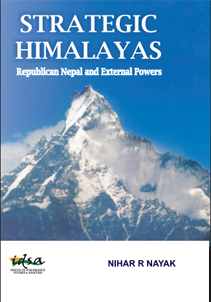
Publisher: Pentagon Press The ten years of Maoist insurgency followed by the political vacuum after the abolition of the monarchy and the delay in the drafting of the Constitution has...
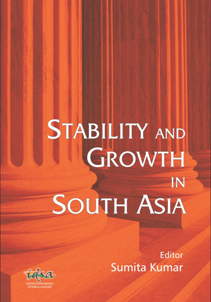
Publisher: Pentagon Press This book examines the forces and processes which have led to relative political stability or unleashed trends in that direction in some countries of South Asia. It...
It has been a year of unstable regional security with the endless conflict in Afghanistan, Pakistan’s half-hearted struggle against the remnants of the al Qaeda, Sri Lanka’s inability to find...
The transitional politics in the Himalayan Kingdom has entered choppy waters with the breakaway radical faction of the Maoist party vowing to disrupt the election to a new constituent assembly...
Over the past few years, ‘trilateral economic cooperation’ and ‘vibrant bridge’ have become buzzwords in Nepal’s foreign policy discourse, and have also caught the popular imagination at home in India....
Integrating the restive Tibetan minority with China has been the primary domestic challenge for Beijing. Thus far, its Nepal policy has been crafted essentially to address the Tibetan question. The...
Trilateral cooperation between India, Nepal and China needs to be seen from the perspective of how beneficial it is for all three countries. However, such cooperation cannot be divorced from...