Efforts to control and prevent illegal immigration remain highly inadequate in India; and likely to remain so in the coming years. But, the reality is that unabated illegal immigration has...
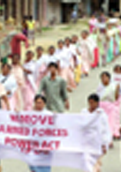
The debate and discussion about the AFSPA should attempt to find what led to the employment of the army in the first place. The answers might offer solutions to the...
The inter-state border disputes in the Northeast have persisted for long. Efforts need to be redoubled to find a political solution, mediated by the Union government, which is binding on...
While the third Bodo accord is a momentous development in the history of the Bodo conflict, caution must be exercised to ensure that it does not fall victim to the...
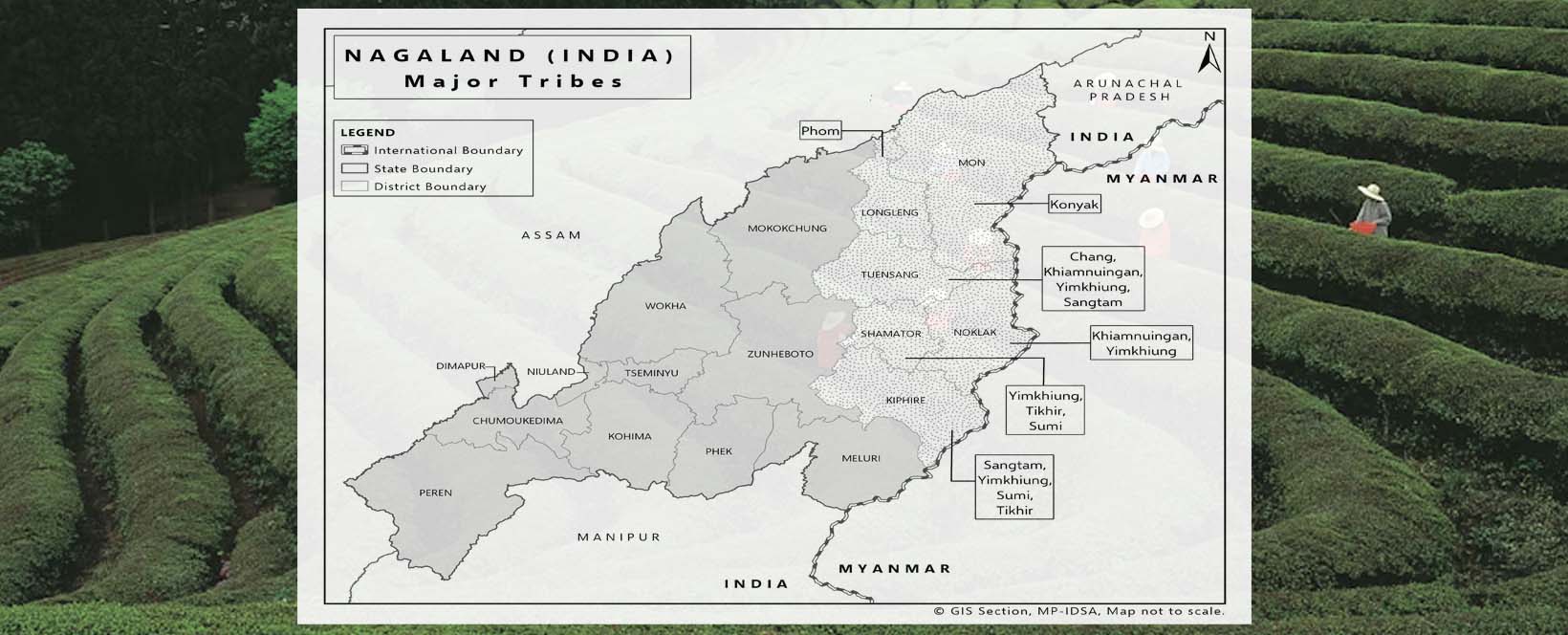
The declaration of the Disturbed Area provision is fundamentally at odds with the mutually accommodative integration endeavour of the Nagas with the Indian Union as envisioned in the 2015 framework...
Maximum autonomy may be accorded in ethnic, cultural and developmental realms to autonomous councils for all Naga areas in Manipur, Arunachal Pradesh and even Assam, through suitable amendment to the...
Regulated borders with greater emphasis on developing people-to-people contact and cross-border trade initiatives are likely to yield greater security benefits as against a closed border.
Application of AFSPA and DAA provisions to the eastern districts of Nagaland and to districts or select areas bordering Arunachal Pradesh and the Myanmar frontier would have sent an appropriate...