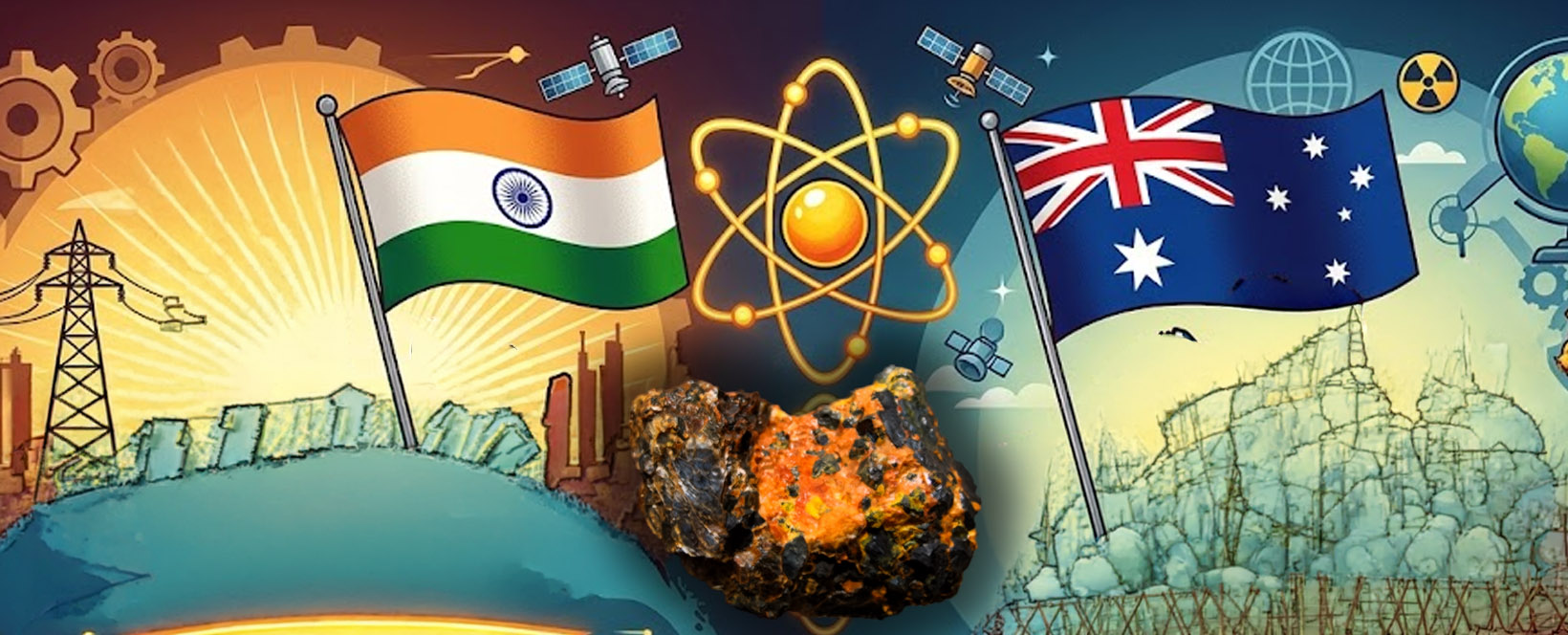
The India–Australia uranium supply agreement helps India diversify its uranium import sources and meet its target of achieving 100 GW of nuclear energy capacity by 2047.
Successful implementation of the Reciprocal Defense Procurement Agreement (RDPA) will require a deep understanding of the nuances and requirements of both the US and Indian defence procurement systems.
Prime Minister Narendra Modi’s visit to Japan, Papua New Guinea and Australia provides glimpses of how India can best exemplify the voice of the Global South.
India and Australia need to take a leadership role in maritime security affairs in the two oceans and have deeper engagements with the Pacific and Indian Ocean island countries.
The Indo-Pacific construct has significantly enhanced the strategic salience of both India and Australia in a multipolar region. While the two nations have considerably deepened their strategic partnership, there is scope for much more improvement in several sectors.
Considering that the US, Japan, Australia and India are committed to working for a free, open and rules-based Indo-Pacific, it is time for India’s strategic partners to review their cartographic positions on India’s borders.
The world is witnessing a geopolitical shift from the North Atlantic to the Indo–Pacific region. US power is in relative decline with a steady build-up of Chinese power, wealth and influence. The last 15–20 years have also seen the rise of India. Against this backdrop, Australia’s reconceptualisation of its strategic frame as the Indo–Pacific widens its geopolitical canvas and elevates India’s importance for multiple Australian interests and objectives.
The government’s ‘Act East Policy’ needs to legitimise the ‘Indo-Pacific’ concept. Interestingly, only a few months after the release of the 2013 White Paper, Australia released a Country Strategy Document on India which identified the Indian Navy as possessing the most potential for a close maritime partnership
As Australia and India have to deepen their security cooperation for a peaceful prosperous and stable Asia-Pacific region, both the countries will have to manage global nuclear commerce together.