Türkiye’s Renewed Engagement with the Gulf
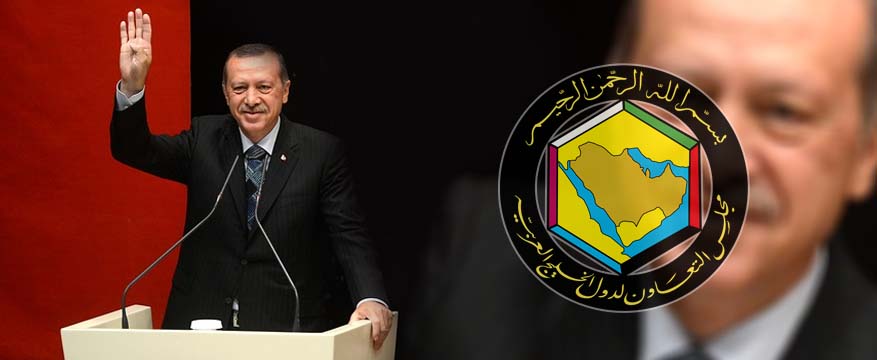
Erdoğan’s October 2025 visit to Kuwait, Qatar and Oman signalled Ankara’s intent to deepen defence and economic relations with the Gulf.
The Gulf and Indo-Pacific are the two strategic regions in India’s extended neighbourhood located, respectively, at the northwestern and southeastern flanks of the Indian Ocean and are key to the geopolitical competition between the United States (US) and China. As China is increasingly a challenge in India’s national security and foreign policy discourses, and the Indo-US partnership takes momentum, it might have implications for India’s approach to the Gulf region. Taking a neoclassical Realist frame of analysis, this article contextualizes the US-China tensions and India’s engagements with the Gulf and the Indo-Pacific regions to argue that the developments in the Indo-Pacific are an important factor to the shifts in India’s approach towards the Gulf.
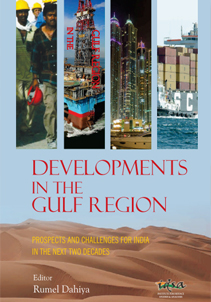
This volumes examines the current emerging social, political, economic and security trends in the Gulf Region and likely trajectory of events and plausible scenarios for the next two decades to help policy makers in India to prepare for a variety of contingencies in a region of immense importance to India.
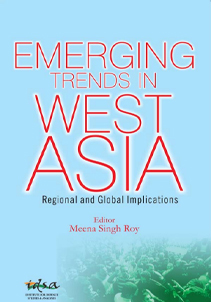
The book provides an in-depth assessment of socio-political, economic and strategic trends unfolding in West Asia. It also explores options for India to enhance existing relations with the West Asian region in a much more meaningful manner. The complexities of West Asia have been systematically explored by scholars, diplomats and specialists to advance the understanding of West Asia's political and strategic architecture.
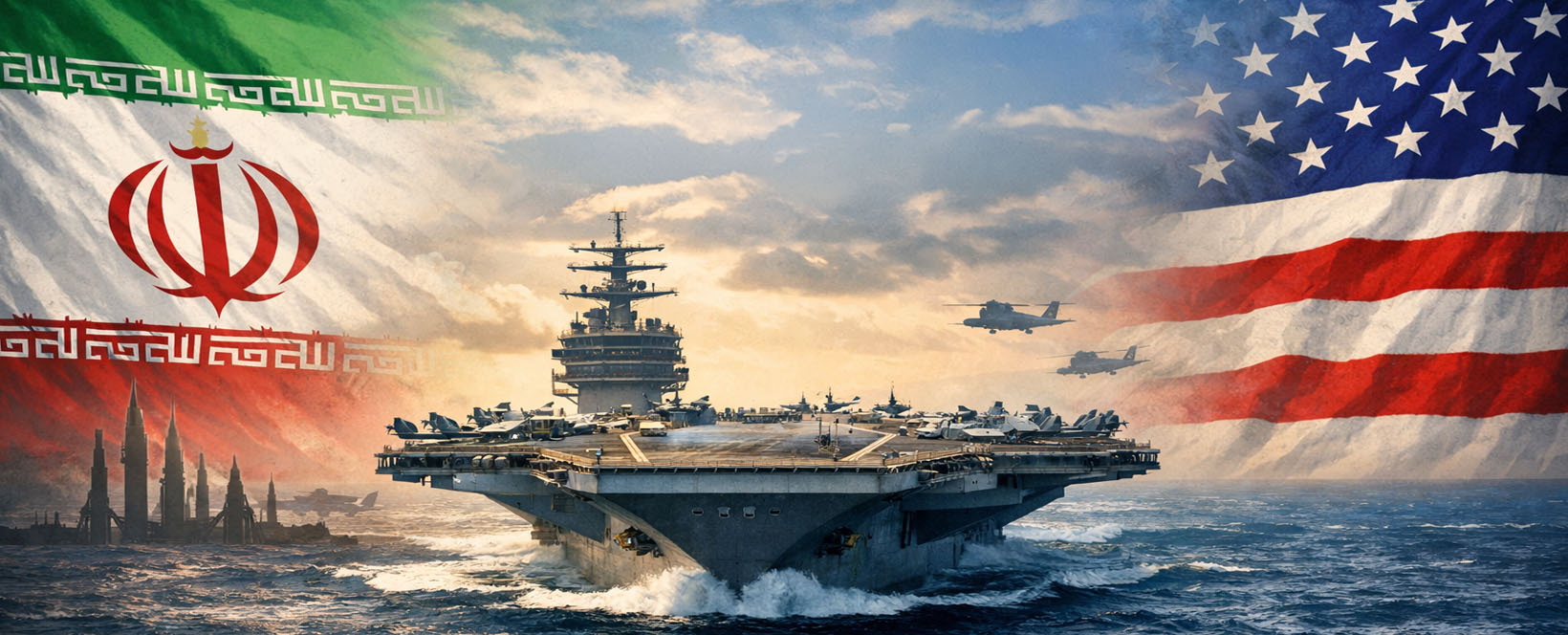
China and Iran claim to be building a new security architecture for West Asia on the pretext of keeping out the “unjustified” presence of “foreign forces”.
Prolonged political crisis, social unrest, pre-existing economic misery, and outbreak of a diplomatic crisis between Lebanon and the Gulf countries have left Lebanon in a debilitated state. Systemic reforms to tackle the economic, political, diplomatic and humanitarian challenges, are the need of the hour.
The Indian Diaspora is one of the world’s largest overseas groupings. The Diaspora is considered India's 30th state with over 30 million overseas Indians. This article outlines the main strands of its formation, from the first movement of indentured workers and subsequent phases of migration of skilled professionals to the West and of workers to the Persian Gulf. They remain the single–largest contributor of foreign exchange and development in the country. Understanding its formation is an essential step for studying the Diaspora and engaging with it. This article aims to do that.
The talks between Iran and Saudi Arabia mediated by Iraq may help in the de-escalation of regional tensions.
GCC countries are taking measures to nationalise the labour force, which is adversely affecting the Indian expatriates across all sectors. Even as India is getting equipped to tackle the return migration, the creation of a comprehensive database will help better manage the crisis in the long run.
Facing huge political and security challenges in the Arabian Peninsula, Saudi Arabia now looks westward to the Red Sea and the Gulf of Aden coast for a new regional security arrangement.