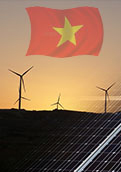
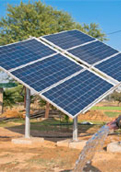
Even as Vietnam has Southeast Asia's largest installed solar and wind power capacity, coal will continue to be the country’s primary source of energy till 2030.
Since the Cold War, United Nations peacekeeping has evolved from monitoring peace treaties to multidimensional peacekeeping operations tasked with rebuilding states and their institutions during and after conflict. In June...
China has managed to establish an edge in solar energy manufacturing and technology, and any shift in its solar policy is likely to affect countries looking to increase their solar...
The International Solar Alliance (ISA) Summit on 11 March marks an important milestone in India’s leadership efforts to build a clean and sustainable global energy future.
India should invest in creating a competitive solar module sector across the manufacturing chain, from procuring primary resources to the finished product.
According to a recent report, India will need 3, 128 Trillion watt hour per year (TWH) of electrical energy in the future if it adopts a frugal policy for energy...