Significant policy differences between the DPJ and LDP and New Komeito’s unwillingness to lose its identity will prevent the formation of a grand coalition.
The increasing debate after the Fukushima crisis has undermined the recent renaissance of nuclear power and is likely to usher in greater regulation and stringent safety measures, making alternative sources of energy cheaper and therefore more appealing.
The summit ended with the hope of increased cooperation in East Asia, bolstered popular support for Sino-Japanese friendship, and set out a strategy for maintaining regional peace, stability and prosperity.
Wikileaks cables reveal a secret pact in which the Hatoyama administration agreed to honour the 2006 agreement on the relocation of Futenma if the US were to reject the proposed alternative.
During the entire post-World War II period Japan isolated itself from the ongoing power struggle. Even during the height of the Cold War when its two neighbours – the Soviet Union and the People's Republic of China – went nuclear, Japan followed the three principles of ‘not possessing’, ‘not introducing’ and ‘not manufacturing’ nuclear weapons. Successive Japanese parliaments also passed resolutions putting a one per cent GDP cap on defence spending and imposed a blanket ban on arms exports and arms-related technologies.
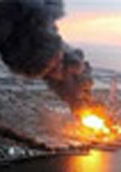
After the threat level for the Fukushima plant was raised from 5 to 7, Japan’s claims about the situation getting stabilised are being received with a degree of scepticism.