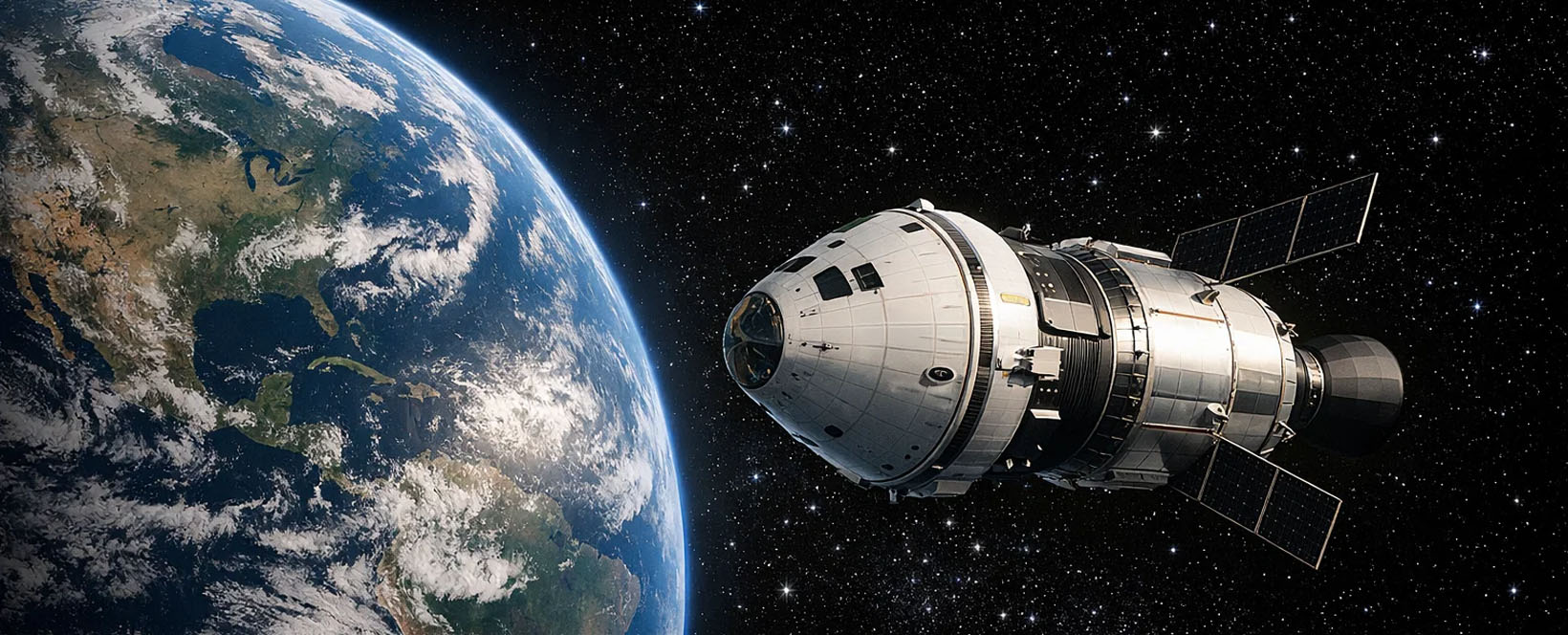
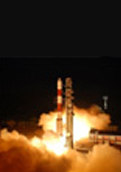
The launch of the CMS-03 strategic satellite, designed to boost the Indian Navy's operational capabilities, represents a significant milestone in India’s strategic space pursuit.
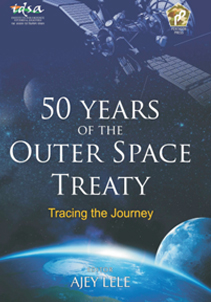
Publisher: Pentagon Press Developments in the outer space arena post the erstwhile USSR launching the first man-made satellite Sputnik in space on 4 October 1957 have transformed the world significantly....
North Korea may not have reached the level of expertise to develop an ICBM indigenously. But, in terms of declaration of intent, it has achieved all that it wants.
The increase in demand for small satellites is not supported by the best launch options. Various existing options have huge limitations. It is believed that ‘proliferation’ of small satellites technology...
While India has a reliable vehicle for launching less than 2 tonne satellites into LEO, it lacks the necessary infrastructure to obtain larger commercial benefits from this capability.
The uniqueness of the Indian Regional Navigation Satellite System (IRNSS) is to have a system with satellites in the geostationary orbit. India needs to exploit the ‘regional nature’ of the...
One of the biggest advantages of the navigational satellite, once the system gets fully operational, is to reduce the dependency on the GPS. This would make India largely self-sufficient in...
India has much to learn from China with regard to using space as an ‘instrument of influence’ and also needs to expand the global footprint of its expertise.