The importance of the MFN status issue lies in the debate that the agreement has initiated in Pakistan, which could influence both the internal political structures of the country as...
At a time of such monumental, even existential, challenges, if all that Pakistan can come up with is a vacuous demagogue like Imran Khan, then its future is pretty bleak.
While the institutional reforms and structures are in place, often their effectiveness is impeded by corrupt practices and lack of proper maintenance and implementation on ground.
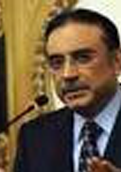
It would appear that for the moment at least the TINA factor operates in favour of the Zardari/Gilani combine especially if they continue to occupy their offices without wielding any...
The current change in the Chair of the NCA merely indicates the declining power of President Zardari and does not necessarily mean empowerment of the civilian government.
Though anticipated, the timing of the Islamabad High Court’s verdict to release disgraced nuclear scientist A.Q. Khan from house arrest has surprised many, since it came days before the first...
Yousuf Raza Gilani was nominated by Asif Ali Zardari as the PPP candidate for prime ministership on March 22, 2008. On that occasion, Zardari called upon Gilani “to accept the...