Having rejected the western demand for oil sanctions, the real test for the Indian government lies in whether it can implement its public pronouncement.
All China has to do is to purchase Iranian oil and off-set this against a supply of essential consumer goods from China to Iran and settle the accounts in Chinese Yuan.
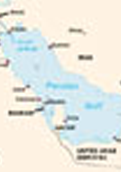
With growing tensions between the US and Iran leading to a drawing of maritime red lines, the Iranian threat to close the straits of Hormuz and the US response could affect future maritime issues, oil supplies and the world economy.
China is pursuing an energy policy to alleviate its import dependence, diversify the sources and routes of imported oil and prepare for supply disruption. China's import of hydrocarbons is growing rapidly. Besides sea transport from West Asia and other oil rich countries of both crude and liquefied natural gas, China has also identified diverse import routes for oil and gas by overland pipelines. Some projects are now complete and many are under construction or in the planning stage.
The ongoing protests against undemocratic regimes in West Asia and North Africa have sent shockwaves throughout the region. This Brief analyses the protests in the Arab world and their implications for the region and India.
Today hardly any part of the world is untouched by the interplay of oil and international politics. Consumers as well as producers are concerned about the impact of national and international events that increase or restrict the supply of energy. Given that the West Asian region holds the world's largest residual oil and gas resources, the article seeks to analyse the importance of West Asia in the context of the changing geopolitical situation and its impact on the current oil market. The article also focuses on the issue of the petrodollar and looks at its impact on the oil market.
The latest addition to the Chinese ‘enigma’ is its oil potential. There have been various accounts, of late, in influential journals and important documents attempting to unravel the mystery surrounding Chinese oil. As it happens, most of them have helped only to further deepen it.
The sloppy work of the IPCC in noting that Himalayan glaciers will melt by 2035 has raised many questions, with even the credibility of scientific opinion coming under doubt.