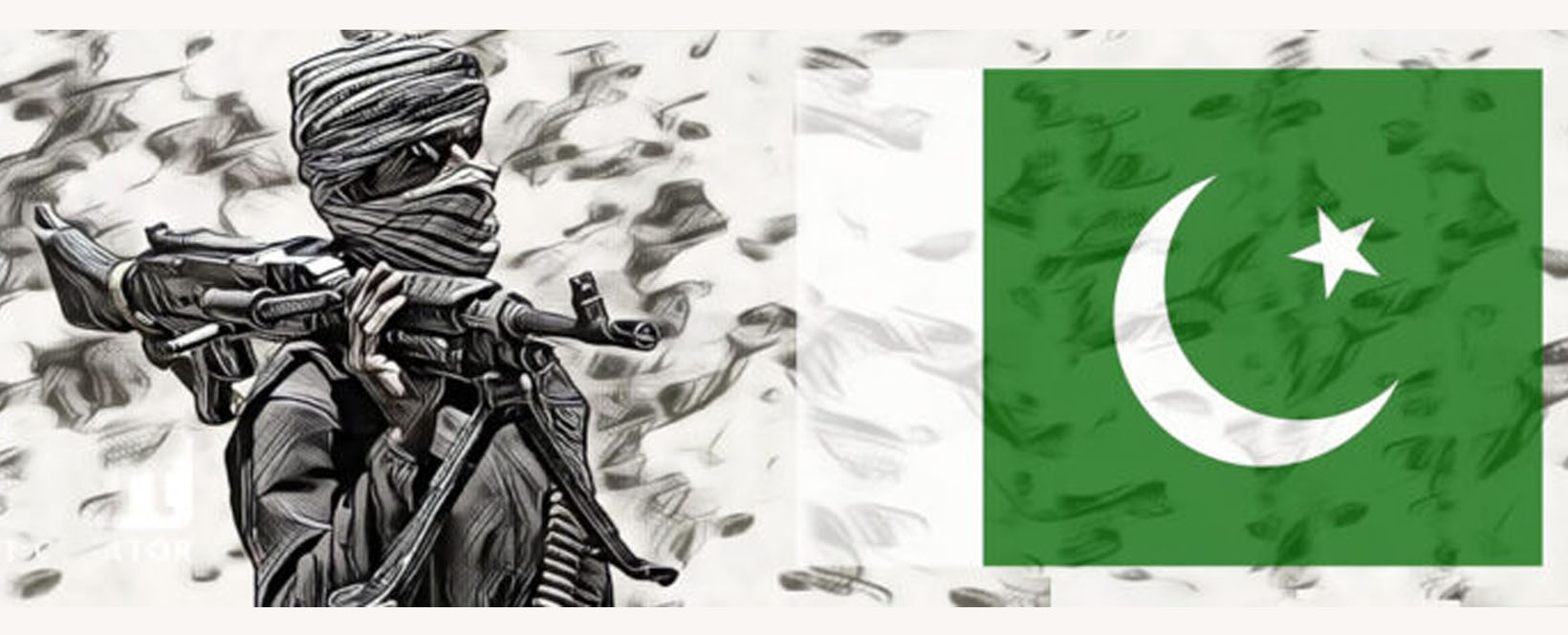
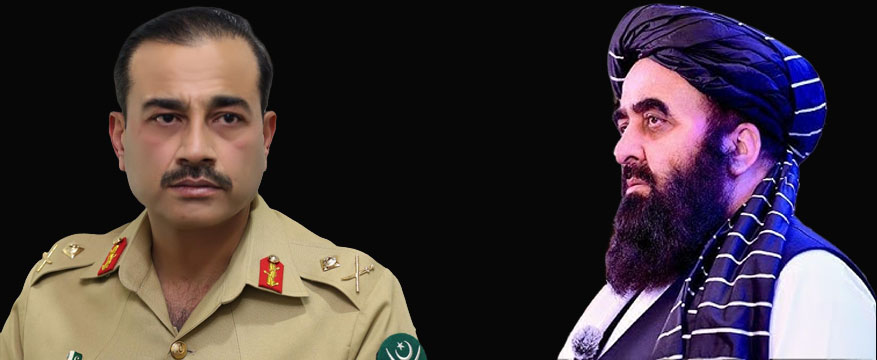
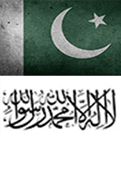
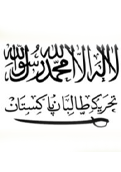
The Taliban 2.0 have refused to bow to Pakistan’s dictates on multiple issues, including on cracking down on the Tehrik-e Taliban Pakistan and their relationship with India.
Unless the Taliban regime adopts relatively non-intrusive social policies and embraces people-centric approaches to governance, it will remain somewhat a mirror image of its old regressive self from the 1990s.
Given the ideological convergence the Tehrik-i-Taliban Pakistan (TTP) has with the Taliban, the latter may not be able or willing to fulfil Pakistan’s demand that its activities be curbed.
The relationship between TTP, or Pakistani Taliban, and Afghan Taliban will continue to be dictated by religious-ideological convergence, ethnic-fraternal linkages and the close camaraderie that emerged while they were fighting...
Pakistan’s historical insecurity towards India and the Islamisation of its military raises a curious question of strategy and identity rooted in Pakistan’s political genesis. This article examines the social and...
Unless the Central Asian states, China, India, Iran, Pakistan and Russia jointly contribute towards ensuring stability, Afghanistan is likely to fall to the Taliban again or even break up.
Where does Pakistan figure in ‘Afghan good enough’ if Pakistan’s centrality in the Western approach is taken into account? Not working towards a ‘Pakistan good enough’ would simply mean that...
India will remain a card in the hand of any future Afghan dispensation (whether Taliban or anti-Taliban) to strengthen its negotiating position with Pakistan.