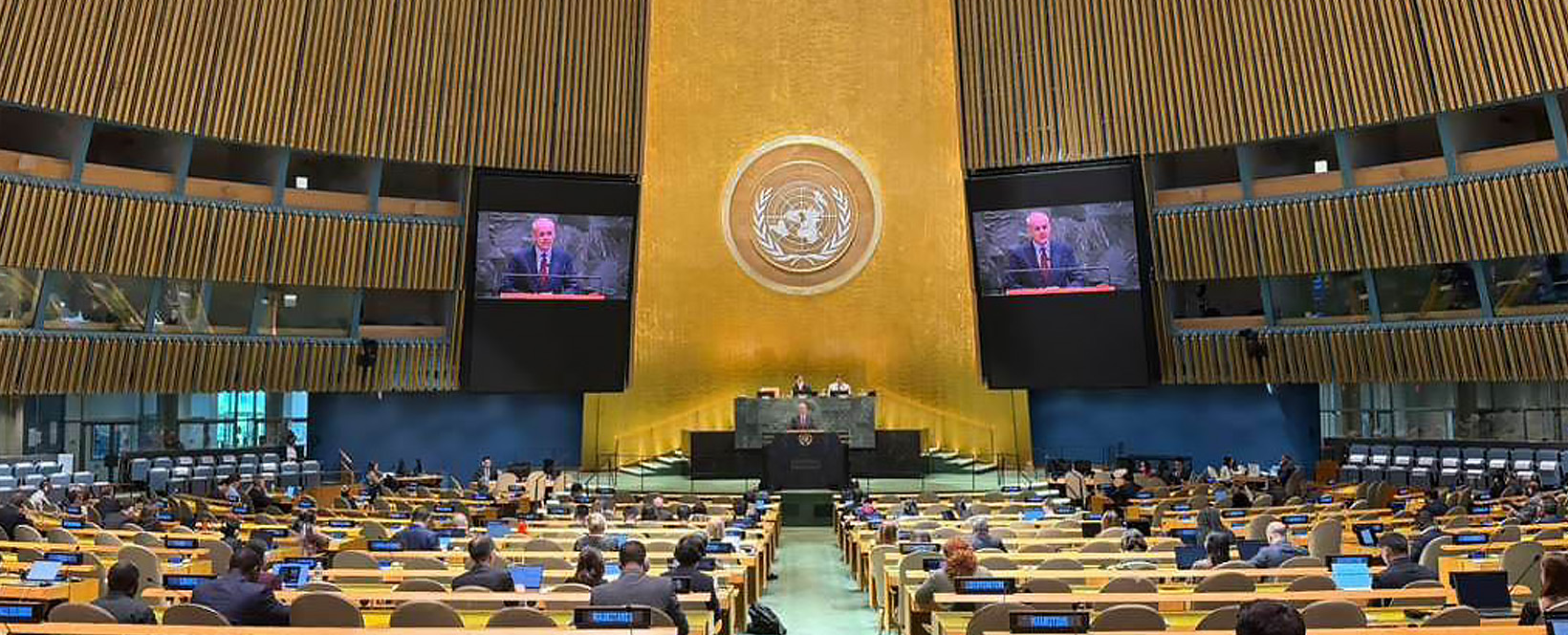
The Delhi BRICS Declaration reflects consensus on the issues concerning all three pillars of the NPT—disarmament, non-proliferation and the peaceful uses of nuclear energy.
The estrangement in US–Russia bilateral nuclear dynamics is often overlooked when discussing the inevitability of the 2026 NPT Review Conference's failure.
During the last dozen years or so, the Indian and American governments have instituted broad policy changes aimed at turning their bilateral relationship into some form of strategic partnership.
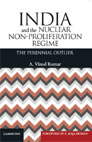
Publisher: Cambridge University Press ISBN 978-11-0705-662-6 Price: Rs.895/- The book describes India as a unique case of an outlier surviving outside the regime’s overarching system, as a nuclear-capable state with...
While Turkey’s nuclear ambitions are not new, President Recep Tayyip Erdogan's nuclear rhetoric is in the backdrop of Turkey's deteriorating regional security situation.
Even after five decades of its entry-into-force, the Nuclear Non-Proliferation Treaty (NPT) is largely seen as a Cold War era instrument that has failed to fulfill the objective of creating...
The standoffs in Doklam and North Korea offer insights on how crisis stability remains subject to the complexities of deterrence, especially in theatres with multiple nuclear-armed states, and what this...