Afghanistan as ‘Contiguous Neighbour’: India’s Reassertion of Its Northern Frontier
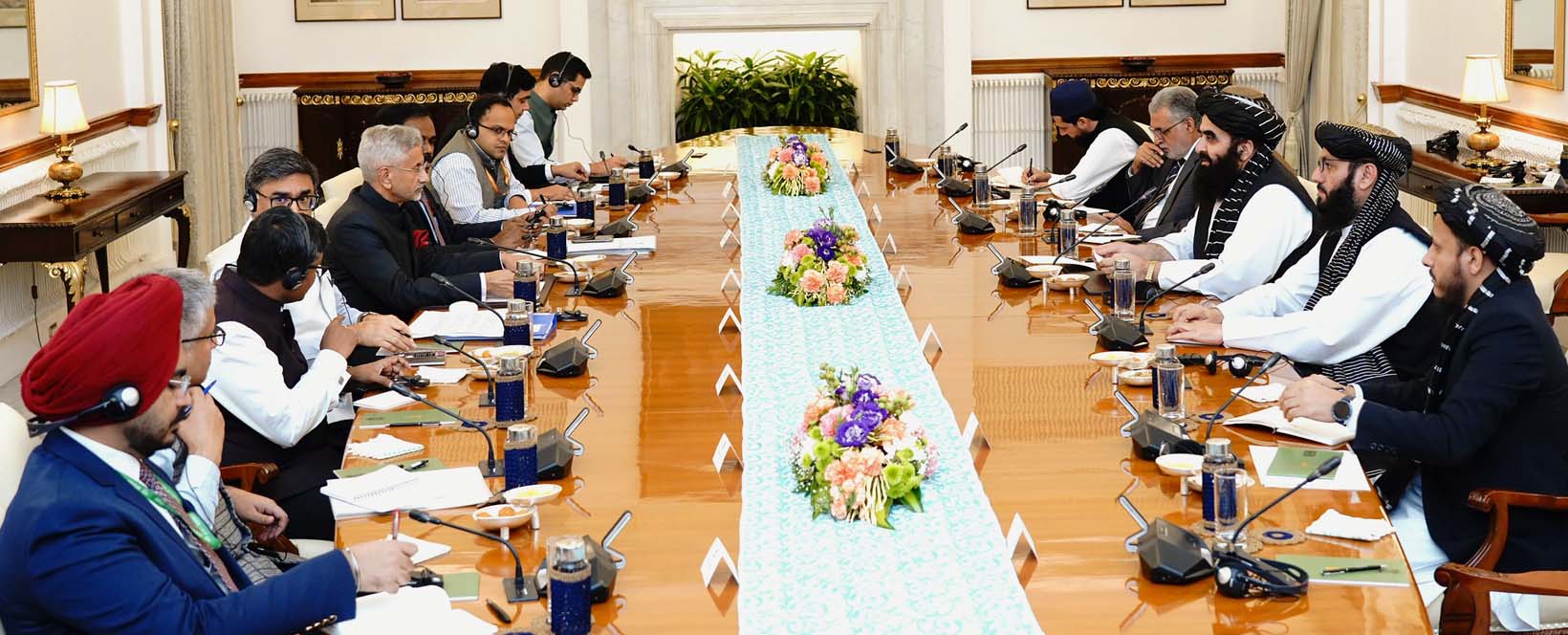
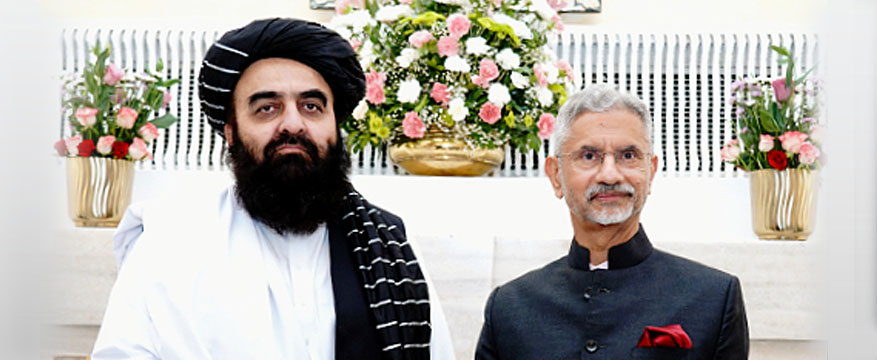
India's reference to Afghanistan as a ‘contiguous neighbour’ is a calibrated strategy to underscore the enduring nature of India’s historical connections.
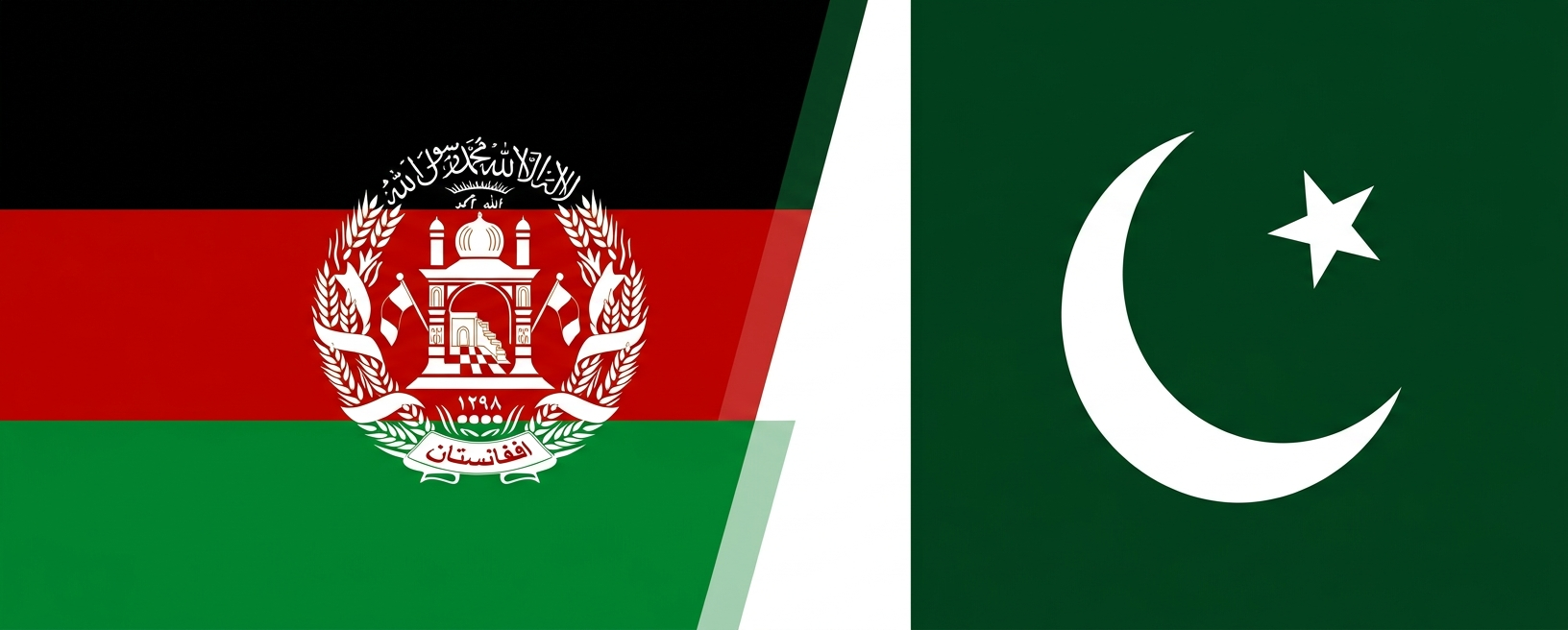
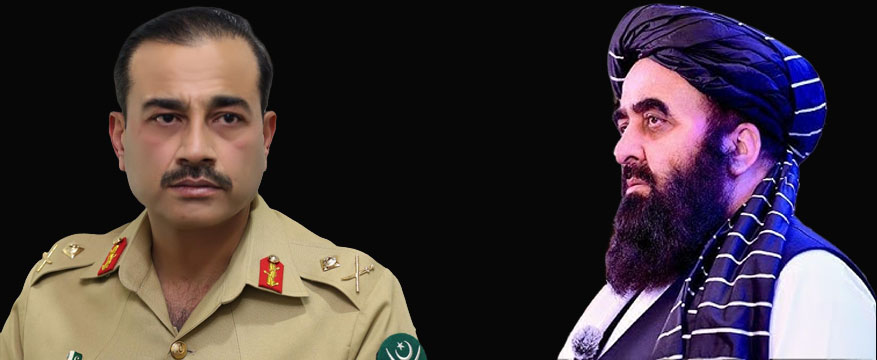
Deteriorating ties between Pakistan and the Taliban are shaping an emerging regional split vis-à-vis Afghanistan.
Even as India normalises diplomatic ties with the Taliban, its long-term Afghanistan strategy remains focused on developmental efforts.
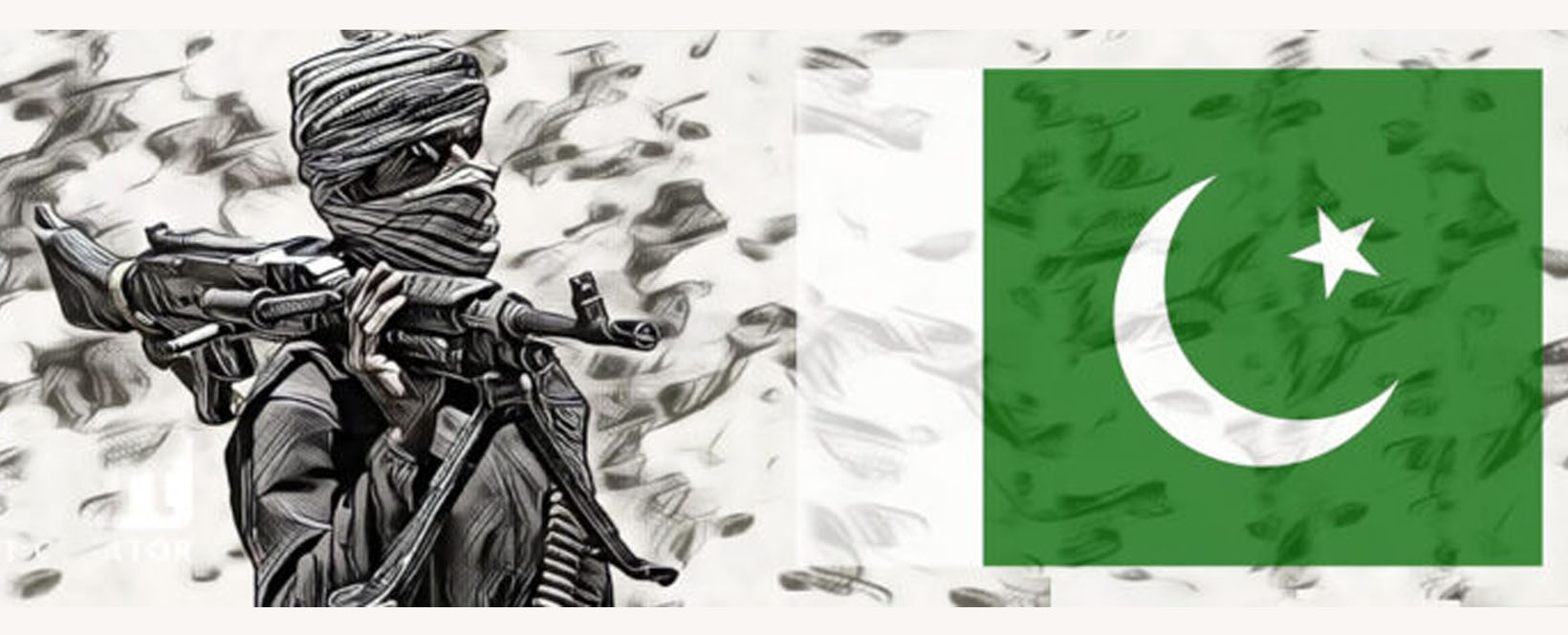
The Taliban 2.0 have refused to bow to Pakistan’s dictates on multiple issues, including on cracking down on the Tehrik-e Taliban Pakistan and their relationship with India.
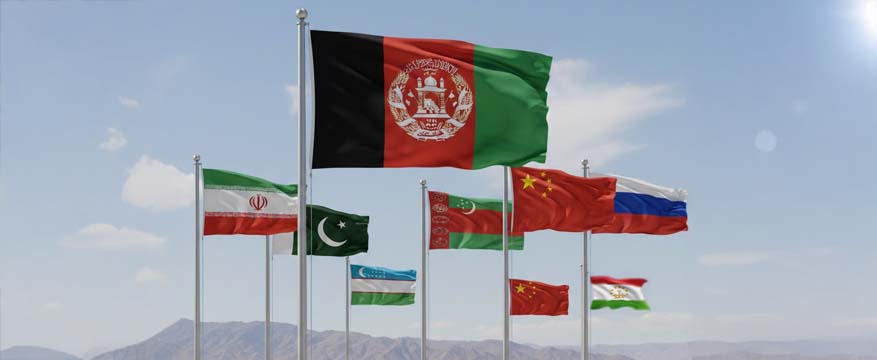
The monograph examines the inception of China's geostrategic/geo-economic pivot towards Pakistan— and more recently, Afghanistan— before charting the trajectory of its expanding role in the Af-Pak region. It assesses the viability of the evolving geopolitical triangle comprising China, Pakistan and Afghanistan, before evaluating possible Chinese strategy behind deepening engagement with a region marked by chronic volatility. The study, in particular, assesses China's strategic interests in Afghanistan and how Pakistan remains central to its Afghan policy. The monograph also seeks to explore whether the return of the Taliban and China's rising profile in the region would signal the evolution and fruition of China's Af-Pak strategy. By examining both convergences and divergences in Afghanistan and Pakistan's bilateral ties with China, the study investigates the contours of a potentially hyphenated approach. It concludes by outlining prominent security paradigms in the region and the inherent dilemmas that shape China's strategic calculus in this complex geopolitical theatre.
South Asia is witnessing new alignments, with divergences between old allies (the Afghan Taliban and Pakistan) and convergences between new partners (India and the Afghan Taliban).
The Taliban's unwritten and ambiguous 'general amnesty' neither implies Tpolitical integration nor national reconciliation. It's about total control, and about who gets to stay and who gets to come back, and on what terms. In the absence of any credible political opposition, and with more and more Afghans being deported or forced to return to the country, including the exiled members of the previous regime, the Taliban's Contact Commission will remain in business in the foreseeable future. However, reports of violation of 'general amnesty' by the Taliban members, particularly in the case of mid and low ranking former military personnel, have exposed the limitations to the implementation of the amnesty decree across the country.
Looking beyond high optics associated with the return (often the deportation) of members of the former Afghan Republic to the country, the Contact Commission set up by the Taliban regime in 2022 comes across as a strategic move to present itself as a conciliatory and legitimate state entity on one hand and undercut the support base of the fragmented exiled political opposition on the other. This is best manifest in the fact that the Taliban has opened a pathway for exiled political opposition and former civil and military personnel to return to the country but without yielding any political space or making any provision to integrate the returnees into its governing structures. The commission’s efforts are stymied by violations of the ‘general amnesty’ announced for members of the former regime, lack of employment avenues for the educated non-Taliban workforce, and the ban on higher education for girls and work opportunities for women. In such a scenario, the commission cannot bridge the divide between the regime and the exiled or returnee Afghans, unless the regime itself acts as a bridge connecting diverse ethnicities and identities that make up the Afghan Nation.