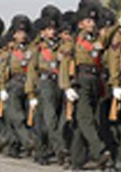
As one of the world’s most populous nations, India today has one of its largest armies, which stands ready to defend the nation. A century ago, India’s army was similarly...
The new optical fibre network being laid as an alternative to the 3G spectrum surrendered by the armed forces will go a long way in providing modern land-line communications in...
To reshape public confidence further, the Union Home Ministry should quickly address the long festering issue of redeploying at least one regiment of the sashastra seema bal (SSB) in Ladakh....
Though the general elections are due this year, the need of the hour is to build a political consensus on the issue without further delay. It will be to the...
MoD, according to news reports, has instructed the Army HQ that its permission will need to be taken before changing the structure or role of the units in future. This...
All major democracies have opted for the CDS and India cannot ignore it any further. In the prevailing battlefield milieu of joint operations, combined operations and even coalition operations, modern...
The Indian Army today faces a very complex challenge. It is increasingly becoming clear that the kind of wars that were fought a few decades ago are not going to...
The erosion in moral values in the armed forces over the past few decades has left India’s political and military leadership bewildered and befuddled. No amount of preventive or curative...
Value systems form the spine of modern society, religion and every individual’s conscience with moral codes defining ‘appropriate’ and ‘expected’ activity. Ethics refer to an individual’s actions that are consistent...
There has been a palpable decline in the standards of morals, ethics and values as observed by officers in the armed forces and the bond between officers and men has...