This paper argues that internal security reforms are crucial not only for India's own security and that of its immediate neighbourhood, but also for its rise as an Asian and world power.
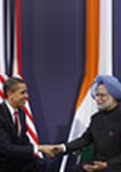
During the last dozen years or so, the Indian and American governments have instituted broad policy changes aimed at turning their bilateral relationship into some form of strategic partnership.
Publisher: Institute for Defence Studies and Analyses
The vision for the development of nuclear energy in India is not new. It dates back to pre-independence days. The nation had embarked on the development of large-scale infrastructure for nuclear power generation and building scientific-technological base for it. The process of the development of nuclear energy was, however, not smooth. It had to overcome enormous difficulties to reach the present stage. The obstacles it had to face were primarily due to the technology denial regimes adopted by various nations that either had the expertise or had harnessed nuclear energy.
Publisher: Institute for Defence Studies and Analyses
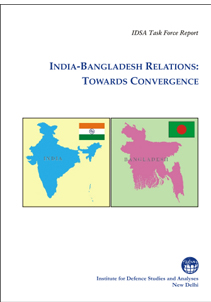
Taking note of the strategic importance of India and Bangladesh for each other, the report cautions against complacency and argues that the Indian PM’s visit provides an opportunity to take India-Bangladesh relations to a higher trajectory and move towards a strategic partnership. The significance of strong India-Bangladesh ties goes beyond the bilateral context. Good relations between India and Bangladesh will have positive influence on the region. Regional countries like Nepal, Bhutan, Myanmar and Thailand will benefit from trade and transit connectivity between India and Bangladesh.
Publisher: Institute for Defence Studies and Analyses
The Report on Intelligence Reforms in India, advocates a paradigm shift towards holistic modernisation of the current Indian intelligence setup, by bringing in radical changes in the existing intelligence culture.
This book is a compendium of papers presented and circulated in the International Seminar on Defence acquisition organised by the Institute for Defence Studies and Analyses on July 12-14, 2011. Written by the practitioners, industry leaders and subject experts, the book brings out the best international practices in defence acquisition.
The Indian defence establishment is confronted today with what is probably its greatest challenge since Independence. Besides being prepared to wage conventional war on possibly two fronts simultaneously, our Armed Forces need to be geared to undertake this under a nuclear overhang and within a technological environment that encompasses cyber- and space-based threats. There is therefore an imperative requirement for change that would enable us to adapt to the emerging situation. The archaic organisations and processes put in place on achieving Independence must undergo radical overhaul.
The report analyses previous deployments of the Indian military outside its borders, including in United Nations Peacekeeping Operations (UNPKO), evacuation of Indian citizens from conflict zones and in active operations like Sri Lanka from 1987–90 and the Maldives in 1988. It then examines the current capacity and trends for executing such operations. Finally, it makes recommendations not only for the Armed Forces but for other relevant agencies as well, such as the Ministries of Defence and External Affairs, the National Security Council and the Cabinet Secretariat.
This monograph examines higher defence management and defence reforms in India. It deliberately coincides with Cabinet discussing the Report of Naresh Chandra Committee on defence reforms and aims to initiate a debate on higher defence management and civil-military relations.
The study analyses the nature of Southeast Asia-India defence relations, the reasons for the growth in ties and more important, the consequences of the defence relations.