The recent Houthi attacks on the UAE have widened the ambit of the ongoing war in Yemen, and are likely to prolong the instability in and around Yemen and hinder...
Yemeni crisis has been a challenge for Saudi Arabia’s standing and reputation as the leader of the Arab and the Islamic world. It is caught between the resilience of the...
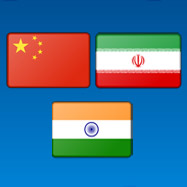
The growing ties between China and Iran can have challenges for India’s relations with Iran and interests in the Persian Gulf region. Nonetheless, it is unlikely to seriously affect India-Iran...
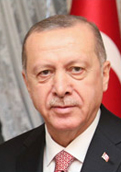
It remains to be seen to what extent Turkish President Recep Tayyeb Erdogan’s recent efforts to mend broken regional ties and address concerns over domestic policies will succeed.
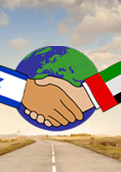
The normalisation of relations between the UAE and Israel is a historic development and a step forward in the rapprochement between the Arab Gulf and Israel.
China’s soft diplomacy in West Asia, particularly in times of pandemic, is a way to improve its global image and recast itself as a responsible actor at relatively low cost,...
The pandemic continues to amplify the crisis in West Asia, making it hard for governments to cope with it individually. In the absence of a coordinated effort at the regional...
As the COVID-19 cases continue to rise, the key priorities for the GCC countries are to contain the spread of the pandemic, maintain the flow of trade across their borders...
As concerns over a potential conflict in the region grow, the pressing issue of what a conflict would mean for the price of international crude oil needs to be addressed...