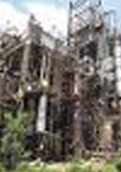
Spilling of gas from a chemical factory can happen either because of accidental release or sabotage. In this era of terrorism such threats need to be reviewed on a much broader canvas.
Engaging Pakistan would reduce tension between the two countries, deflect international pressure on India to resume the dialogue, and ensure that Pakistan does not have an excuse to divert its troops from the Western border.
Cold Start is a good doctrine from India’s point of view, but one that could adversely impact strategic stability given since Pakistan’s nuclear strategy is premised on countering Indian conventional military superiority with a nuclear shield.
Since safeguarding the public space such as mass transportation networks, financial and industrial hubs from sporadic acts of terror is increasingly becoming difficult, socialising citizenry in democratic societies to the needs of counterterrorism assumes salience.
Unlike ‘hard’ measures, ‘soft’ ones can succeed in softening the hearts and minds of even hard-core terrorists, especially when they are disillusioned, longing for a normal life, and want to exit from terrorism.
There is a need to modify existing laws and if need be create new ones so that extremists and terrorists do not go scot-free and continue to pose a threat to the country.
Since both India and EU face the same threat of religious radicalism at home and from across the border, focused cooperation on this issue must be given serious thought.
Across the globe, a crucial but largely unseen and unheard of force in the Global War on Terrorism is emerging – young, hardened, militant, radicalized recruits from Africa – a force potent enough to compel governments to revise their handbooks on how best to contend with Islamic extremism.
Instead of beefing up army/police/paramilitary forces in the towns and cities, the government needs to urgently take measures to prevent entry of the criminal and terrorist elements at or close to the border.