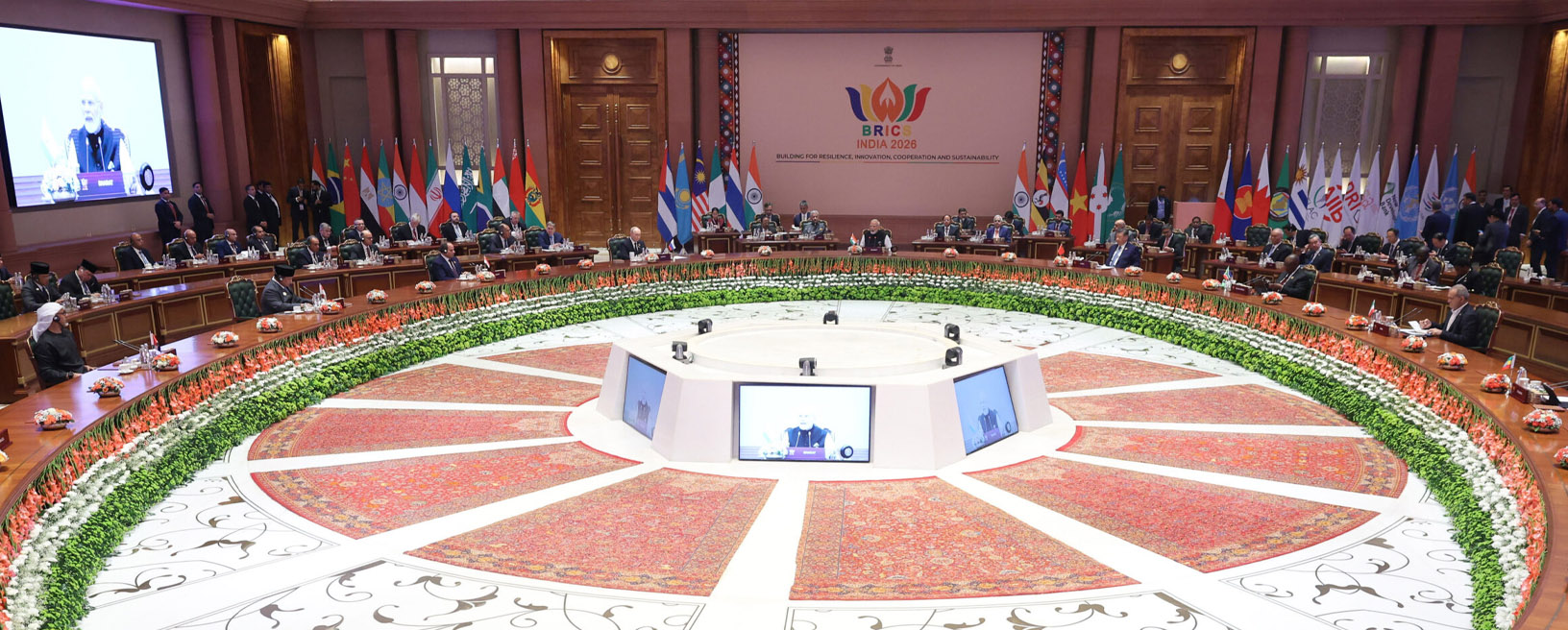
The proposed BRICS Space Council could provide a platform for BRICS states to reconcile their differing positions on space security and sustainability.
The broader goal of the Artemis programme is to establish human settlements on the lunar surface while laying the foundation for future deep-space exploration.
Space assets are vulnerable to a variety of threats that include jamming of communications, command and control systems/links, physical attacks on satellites and ground stations, dazzling or blinding of satellite...
This paper provides a policymaker's overview of a highly scalable, revolutionary, renewable energy technology, Space-Based Solar Power (SBSP), and evaluates it utility within the context of the Indo-US strategic partnership.
Military organisations worldwide have steadily increased reliance on space assets for communications, surveillance, and navigation. India has sufficient space capability as compared to China.
Publisher: KW Publishers Cyberspace has turned out to be one of the greatest discoveries of mankind. Today, we have more than four and a half billion people connected to the...
The recently held second Belt and Road forum in April 2019 based on the theme “Shaping a Brighter Shared Future" gained considerable momentum in the world community. BRI has been...