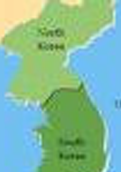
Kan’s statement about sending the SDF to the Korean peninsula to rescue Japanese citizens and people of Japanese origin in the event of an emergency has raised the spectre of...
The UNSC statement is more a testimony to Sino-US compromise arrived at after nearly a month and half of negotiations rather than being a “diplomatic victory” as has been hailed...
While the effect of regionalism has begun to wane, the propensity of youth to vote against specific issues that they deem not beneficial is likely to be the dominant cleavage...
The one country that has not condemned North Korea’s role in the sinking of the Cheonan is China, which has its own strategic and economic compulsions to back North Korea.
The emerging changes in the security calculus within the Korean Peninsula are forcing Japan to revisit its existing position on the nuclear issue. The changing security environment has triggered several...
The delicately maintained peace in the Korean peninsula once again looks fragile in the wake of the war of words and exchange of artillery fire along the disputed western sea...
To gain the trust of Seoul and Beijing, the DPJ government plans to present a bill in the Diet for granting the right of franchise to foreign nationals registered as...