Pakistan’s Hangor-Class Submarines: Strategic Implications for India
Hangor-class submarines can expand the Pakistan Navy’s ability to sustain an underwater presence.
Deteriorating ties between Pakistan and the Taliban are shaping an emerging regional split vis-à-vis Afghanistan.
The evolving Saudi–Pakistan relationship is a matter of concern for India, though it poses no direct or immediate security threat to India.
Pakistan's construction of new military infrastructure on the western bank of Sir Creek has renewed attention on the long-standing boundary dispute.
The Taliban 2.0 have refused to bow to Pakistan’s dictates on multiple issues, including on cracking down on the Tehrik-e Taliban Pakistan and their relationship with India.
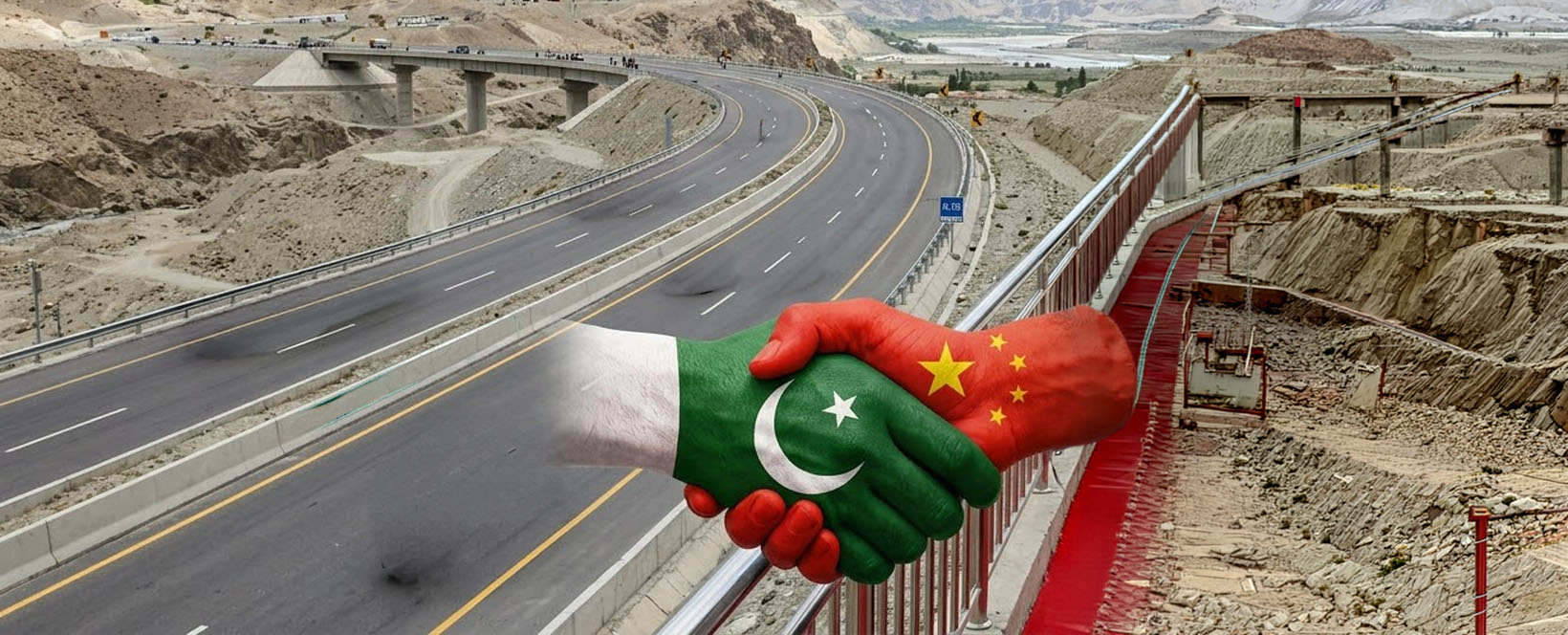
The monograph examines the inception of China's geostrategic/geo-economic pivot towards Pakistan— and more recently, Afghanistan— before charting the trajectory of its expanding role in the Af-Pak region. It assesses the viability of the evolving geopolitical triangle comprising China, Pakistan and Afghanistan, before evaluating possible Chinese strategy behind deepening engagement with a region marked by chronic volatility. The study, in particular, assesses China's strategic interests in Afghanistan and how Pakistan remains central to its Afghan policy. The monograph also seeks to explore whether the return of the Taliban and China's rising profile in the region would signal the evolution and fruition of China's Af-Pak strategy. By examining both convergences and divergences in Afghanistan and Pakistan's bilateral ties with China, the study investigates the contours of a potentially hyphenated approach. It concludes by outlining prominent security paradigms in the region and the inherent dilemmas that shape China's strategic calculus in this complex geopolitical theatre.
South Asia is witnessing new alignments, with divergences between old allies (the Afghan Taliban and Pakistan) and convergences between new partners (India and the Afghan Taliban).
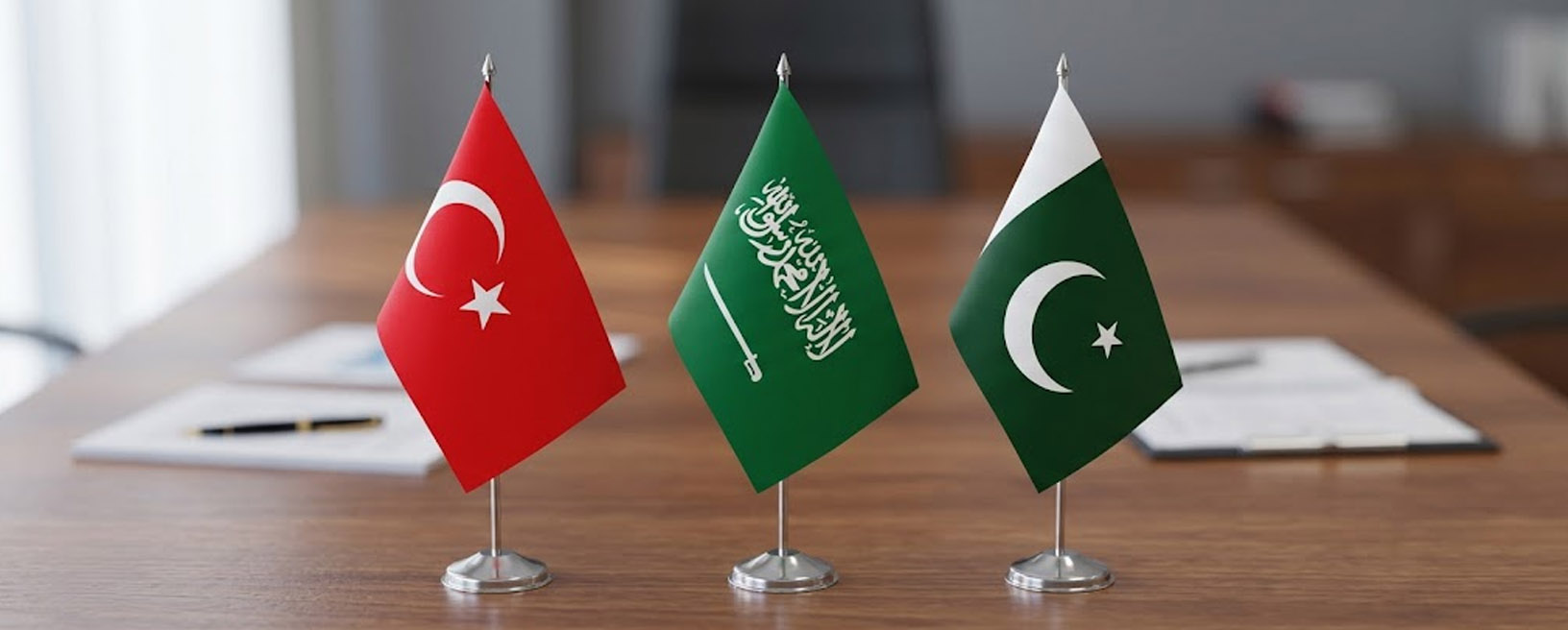
The Saudi-Pakistan defence pact symbolises regional actors' growing autonomy and assertiveness in reshaping the regional security environment.
This article examines the two-front war challenge for India against China and Pakistan. It highlights difficulties nations have faced in managing simultaneous wars, emphasising the complexity such a situation imposes on national defence. The article explores collusion and collaboration between China and Pakistan and the resultant enhancement in military cooperation and interoperability, nuclear collusion, and infrastructure connectivity between the two countries. It also evaluates recent advancements in military modernisation by China and India’s corresponding efforts in enhancing its defence capabilities and border infrastructure. The analysis suggests that while the threat of a two-front war is real, it remains a possibility rather than an inevitability. The article concludes that India must maintain high vigilance, continue strengthening its military posture, and simultaneously engage in proactive diplomacy. A calibrated strategy that balances robust defence preparedness with sustained diplomatic engagement offers the most effective means of safeguarding national security and regional stability.
Pakistan–Bangladesh bilateral relations may be witnessing some warmth due to Bangladesh's changed domestic political situation, but the ghost of 1971 still casts a shadow.