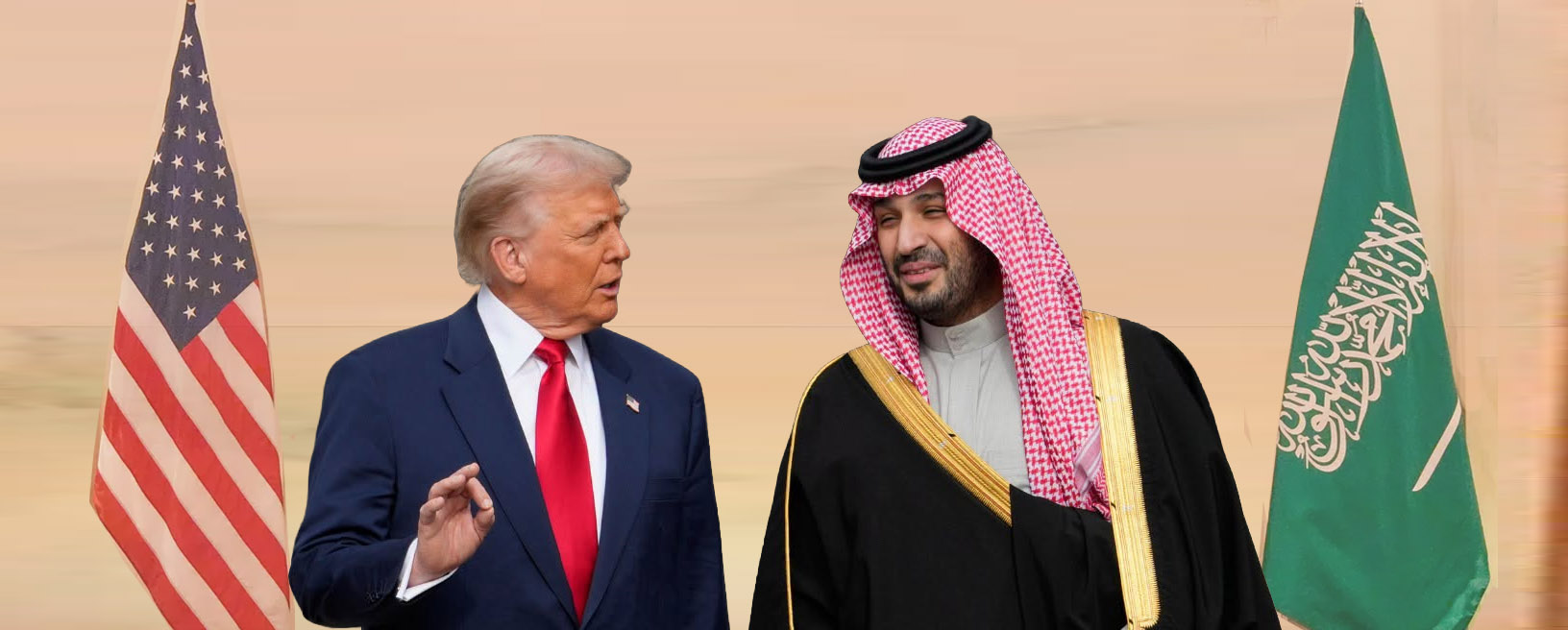
The July 2026 US–Saudi Arabia nuclear deal does not bind Riyadh to forgo enrichment and reprocessing, nor does it require the IAEA Additional Protocol.
Given its geo-strategic importance, Indonesia’s cooperation is crucial for success of any regional security framework in the Indo-Pacific. It is therefore important that regional powers pay attention to Indonesia’s concern...
The announcement of the trilateral security partnership “AUKUS” by Australia, UK and US, has prompted discussions on several issues, however, the submarine part of the agreement, about leveraging expertise from...
Removing the Kim regime’s fears about regime change and reducing the insecurity caused by North Korea’s nuclear and missile tests to the US and its allies are the essentials that...
While the first watt of power from foreign-aided projects may take many years to come, the 10th anniversary coincides with major transformations in India’s indigenous nuclear energy programme.
The Iran nuclear deal should not be seen in isolation. There has been a clear realisation in the West, especially in the US, that Iran needs to be brought out...
India’s nuclear deal with the US is driven less by technology requirements than by the need to be integrated into the global nuclear community and gain access to uranium imports...
The November 24, 2013 Joint Plan of Action between Iran and its P5+1 interlocutors is the first agreement since November 2004 that contains Iran’s acceptance of certain short-term limitations on...
The interim deal was signed by seven foreign ministers of US, UK , France, Russia, China, Germany and Iran but the deal was not negotiated mainly in Geneva, but in...