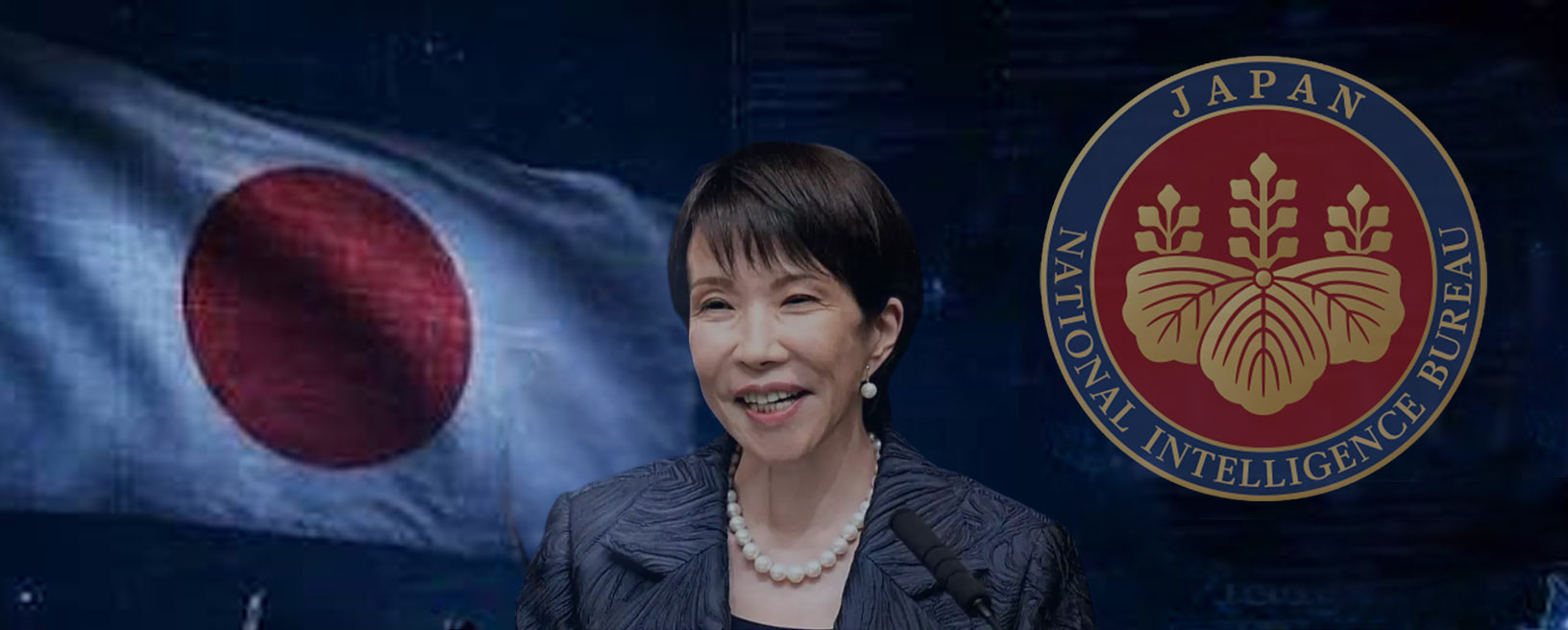
Japan’s recent intelligence reforms complement its evolving security strategy, but historical concerns and questions regarding capabilities and political influence need attention.
Publisher: Institute for Defence Studies and Analyses The Report on Intelligence Reforms in India, advocates a paradigm shift towards holistic modernisation of the current Indian intelligence setup, by bringing in...
Abstract The U.S. Intelligence Community (IC) report regarding the roots of the SARS-CoV-2, as reflected in a published unclassified summary (August 2021), was excessively inconclusive, and has hence been followed,…...
In the late 1950s, the concept of 'political culture' was first developed. Towards the end of the Cold War, scholars in International Relations (IR) theory and security studies developed the...
In the Kautilya-Arthashastra, espionage and other ‘operational’ activities of the secret service—notably ‘active measures’ and ‘covert action’—are addressed often and in detail. In contrast, Kautilya seems to say very little...