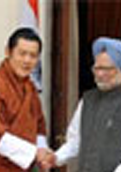
Bhutan PM's five-day visit to India in March 2024 which was followed by Prime Minister Narendra Modi’s two-day visit to Bhutan is expected to ease mutual concerns about a possible...
Prime Minister Narendra Modi seemed aware about the nuances Pthat underpin India's cultural and political obligations in Asia. By making Bhutan as his first visit abroad followed by a visit...
Publisher: Institute for Defence Studies and Analyses India is facing a serious water resource problem and as trends suggest, it is expected to become 'water stressed' by 2025 and 'water...
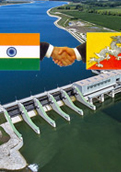
Hydropower cooperation between India and Bhutan should not only help achieve the larger aspirations of the Bhutanese people for peace, prosperity and happiness but also further strengthen bilateral bonds.
The Doklam episode should prompt India and Bhutan to rethink their hitherto overlooked issue of resituating Menser and Darchen-Labrang in their academic discourse and policy positions.
A visa is issued to facilitate an individual’s travel to another country in a regulated way. There are agreements between some countries on a no-visa regime; however, most countries do...
Modi’s visit to Bhutan is politically significant. After inviting SAARC leaders to his swearing in ceremony; his choice of Bhutan as the first country came as no surprise. Bhutan is...
Given Bhutan’s strategic significance India needs to respond sensitively to its Himalayan neighbour so as to create further goodwill for the long term.