Climate Change

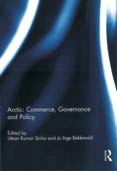
Arctic: Commerce, Governance and Policy

Publisher: Routledge
ISBN: 978-1-13-885599-1
Price: $145.00
In May 2013, China, India, Japan, Singapore and South Korea (Asia 5) were given status as permanent observers in the Arctic Council. It was a symbolic and significant moment in the history of Arctic affairs. The list of stakeholders in the Arctic has now expanded to include both the Arctic littoral states and the five Asian states. The drivers and policies of these stakeholders on the Arctic vary, but research on climate change, possible changes to the global energy and minerals markets, adherence to international norms like the UNCLOS, and geopolitical considerations are issues of concern.

Dams as a Climate Change Adaptation Strategy: Geopolitical Implications for Pakistan

Pakistani planners are increasingly prone to recognize the many links between water, food, and energy security. The construction of new large dams is seen by many as a concrete measure to achieve resource security for Pakistani for a future marked by climactic variability and unpredictability. This article explores the geopolitical and political geographic implications of Pakistan’s strategic vision of building dams as a way to prepare for climate change.

Nations without Borders: Climate Security and the South in the Epoch of the Anthropocene

The standard narrative on modern geopolitics is being re-scripted. Previous ingredients that made up the literature on high politics such as securing resources, rivalries over the control of territory and war plans are increasingly being replaced instead by concerns about the ‘mundane’ politics of global energy plans, food systems, infrastructure and city design. Meaningful geopolitics in the time of climate change, in other words, would now have to grapple with the inescapable urgency for sustaining key ecological, biological and atmospheric indicators at the planetary level.