With the Doomsday Clock now closer to midnight than ever, renewed attention has been drawn to the enduring significance of this metaphor for highlighting existential risks.
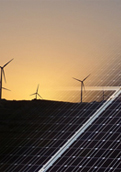
Energy security and climate change are prime concerns worldwide. Every nation has its own Nationally Determined Commitment, and it aspires to achieve net zero in a specific time frame. India...
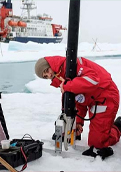
There is an imperative need to revive cooperation in the Arctic to tackle global and regional challenges such as climate change, nuclear waste, among other issues.
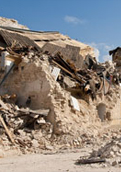
Recurring flash floods across northern and eastern Afghanistan highlight the vulnerabilities faced by the population compounded by the impact of climate change and internal state failure.
The Central Asian water crisis is a product of climate change, inefficient water management, and lack of cooperation and coordination among the five Central Asian Republics.
This paper provides a policymaker's overview of a highly scalable, revolutionary, renewable energy technology, Space-Based Solar Power (SBSP), and evaluates it utility within the context of the Indo-US strategic partnership.
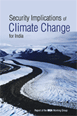
Report of the IDSA Working Group Publisher: Academic Foundation (2009)2009 The Working Group Report identifies India's key vulnerabilities. Future projections of surface warming over India indicate that the annual mean...
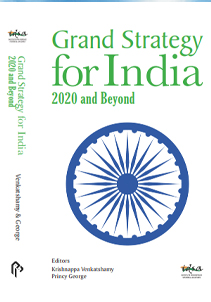
Publisher: Pentagon Security International This volume presents perspectives on cross-cutting issues of importance to India’s grand strategy in the second decade of the 21st century. The authors in this volume...