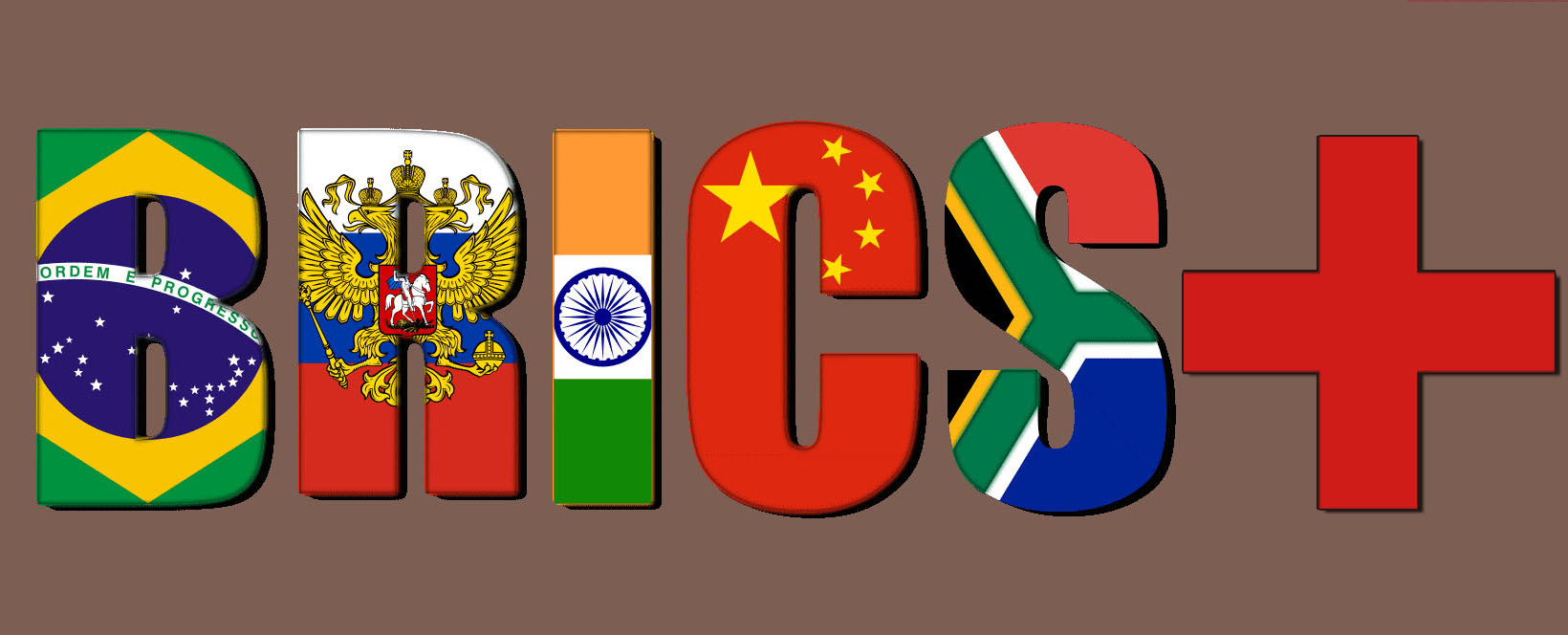
India’s success as the 2026 BRICS Chair will depend on its ability to keep the group focused on functional cooperation, including health, climate finance and multilateral reform.
The political status of Tibet in relation to China has been a contentious issue. It has invoked the question of the right of a people to self-determination. Melvyn C. Goldstein’s book titled The Snow Lion and the Dragon: China, Tibet, and the Dalai Lama presents an expounded historical account of the cultural as well as political survival of Tibet from a Western, primarily American, lens. The book’s essential objective is to define the boundaries of what he refers to as the ‘Tibet Question’ and analyse Chinese Tibetan policies in the light of the relationship shared with the US. The ‘Tibet Question’, a nationalist issue at its core, here symbolises the struggle to control territory and the representations of history and current events.
While China’s growing strategic cooperation with Russia is increasingly evident, historical and geopolitical issues still pose challenges to more coordinated collaboration.
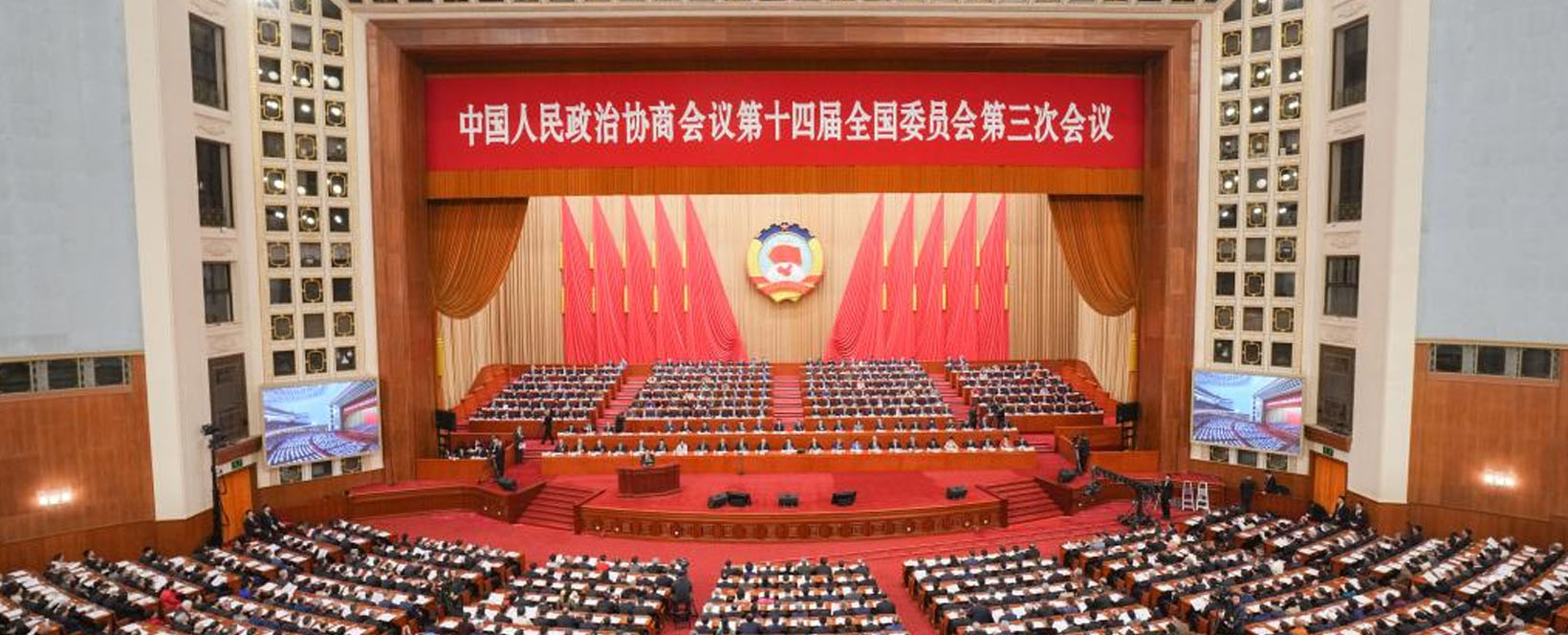
The Fourth Plenary Session of the 20th CPC Central Committee’s core focus was on ‘High-quality Development’ in pursuit of China’s ‘Socialist Modernisation’.
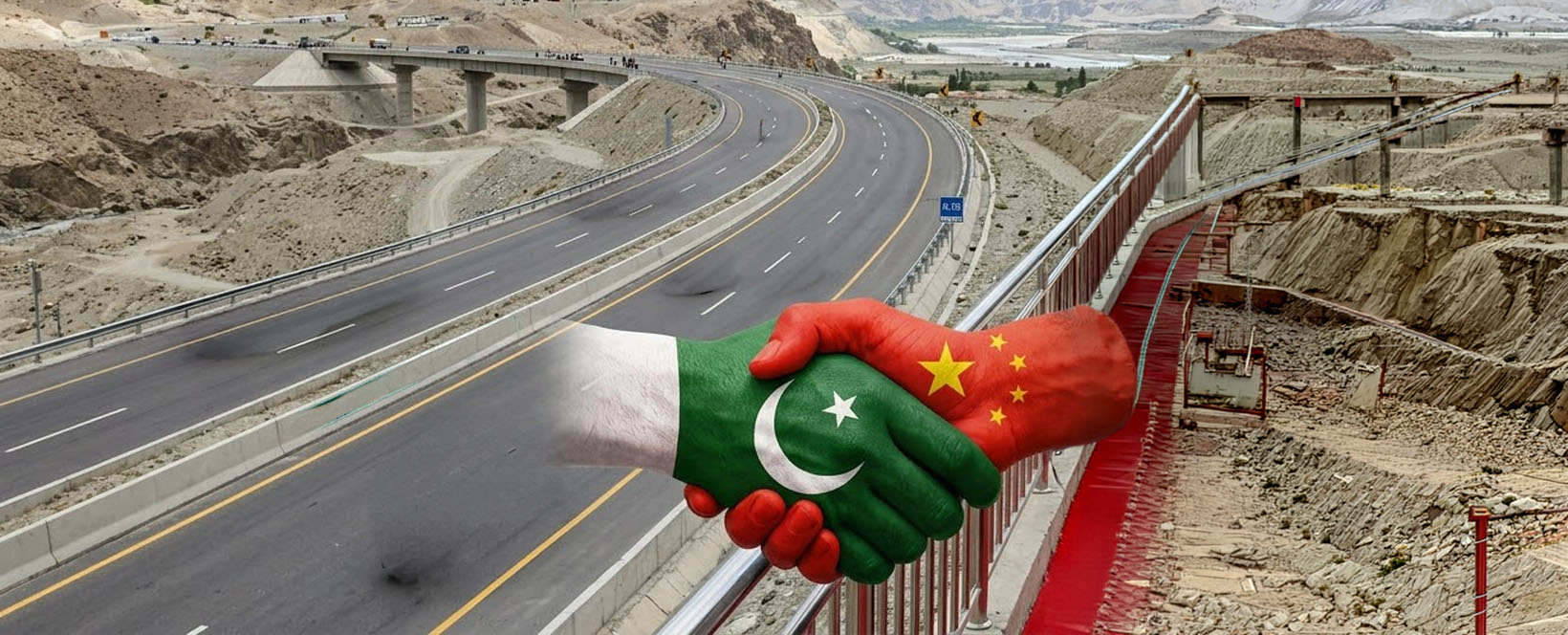
The monograph examines the inception of China's geostrategic/geo-economic pivot towards Pakistan— and more recently, Afghanistan— before charting the trajectory of its expanding role in the Af-Pak region. It assesses the viability of the evolving geopolitical triangle comprising China, Pakistan and Afghanistan, before evaluating possible Chinese strategy behind deepening engagement with a region marked by chronic volatility. The study, in particular, assesses China's strategic interests in Afghanistan and how Pakistan remains central to its Afghan policy. The monograph also seeks to explore whether the return of the Taliban and China's rising profile in the region would signal the evolution and fruition of China's Af-Pak strategy. By examining both convergences and divergences in Afghanistan and Pakistan's bilateral ties with China, the study investigates the contours of a potentially hyphenated approach. It concludes by outlining prominent security paradigms in the region and the inherent dilemmas that shape China's strategic calculus in this complex geopolitical theatre.
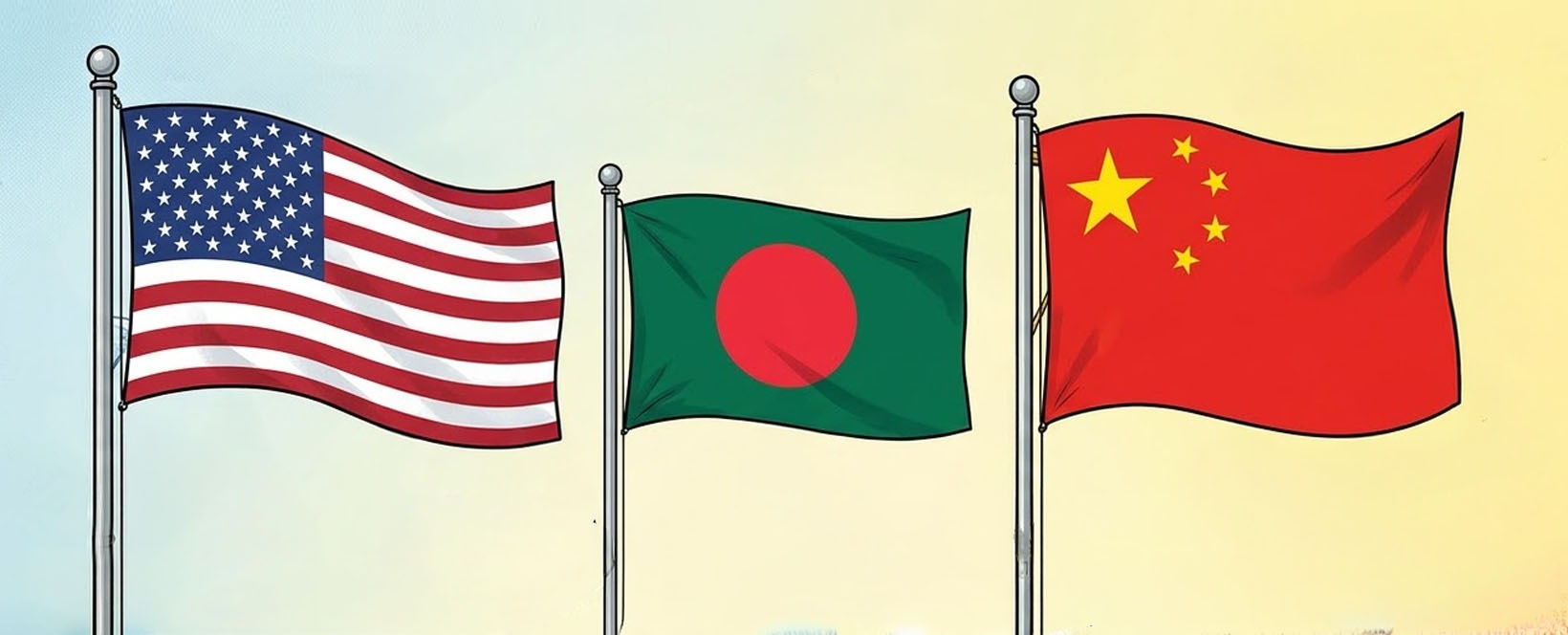
In the aftermath of the Cold War, the resurgence of Russia and the swift ascent of China have reignited an era of intense great power competition. The United States’ National Security Strategy 2017, which formally identified Russia and China as strategic competitors, marked a pivotal moment in the crystallization of this moment. The pursuit of technological supremacy is at the heart of the competition, with the US and China moving beyond bilateral disputes to exert global influence through alliance formation, setting technological standards, and competing for control in key regions like the Indo-Pacific, Southeast Asia, the Korean Peninsula, and South Asia. Bernard F. W. Loo and James Char’s Strategic Currents: China and US Competition for Influence presents a timely and empirically grounded analysis of the US–China strategic rivalry, with a particular emphasis on Southeast Asia’s adaptive responses within an increasingly contested international order.