While combat aircraft acquisition for self-defence capability is a long drawn and expensive process, Botswana has moved systematically to enhance its low-cost variation - by improving ground-based air defence system.
While the larger air forces are capable of sustaining their existing and future inventories for some time to come, the combat assets available to the region’s smaller air forces are...
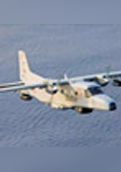
India can become a player of significance as its current MR/ LTA – the Dornier Do-228 – is admirably suited to meet the requirements of Caribbean Air Arms.
For Trinidad and Tobago, having two Air Arms has led to duplication of effort that has rendered existing assets less effective than they otherwise might have been. A faulty procurement...
It is difficult to understand why the MoD should bind itself by asking for request for information (RFI) that cannot be compared across all the proposals. What would constitute ‘capability’...
The Indian navy has long aspired for a true blue water capability and the aircraft carrier project is a critical part of safeguarding India’s maritime interest that includes providing security...
Air power has gone through a lot over the last two decades—from being a decisive tool of war fighting during Operation Desert Storm and operations over Kosovo, to a more...
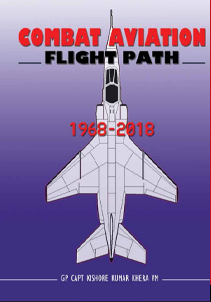
Publisher: KW Publishers Combat aircraft, a powerful component of military strength, define the battle space today. In the last five decades, world combat aircraft inventory, after peaking in 1988, gradually...