Israel and UAE: From Tacit Cooperation to Full Diplomatic Ties
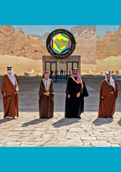
Formal diplomatic ties between Israel and the UAE, two of India’s critical strategic partners, is indeed a welcome development.
- S. Samuel C. Rajiv |
- August 18, 2020 |
- IDSA Comments

Home » IDSA Comments
Formal diplomatic ties between Israel and the UAE, two of India’s critical strategic partners, is indeed a welcome development.
It would be helpful if MoD issues a formal order addressing the concerns expressed by various stakeholders about certain aspects of the negative list, especially its impact on projects that involve foreign OEMs and the purpose of bifurcating the capital budget.
The negative list of embargoed defence items is one more step towards creating a strong domestic arms industry and making India self-reliant in defence production.
Banning the sale of imported items through the CSD could supplement the various domestic industry-friendly policy measures being taken by the government for a self-reliant India.
While the steps stipulated in draft DAP-2020 to enable smooth acquisition of systems indigenously designed by DRDO and other public sector entities are a right move, they need to be strengthened further to make procedures more robust and conducive for timely completion of projects.
The changes proposed in the offset guidelines require a fresh look, both on conceptual and empirical grounds, as the new regime is likely to yield diminishing returns.
The internal and external situation on the first anniversary of the historic revocation of the special status of Jammu and Kashmir appears assuring, even as the need for safeguarding the initial gains calls for sustained efforts.
India has taken a cautious and balanced approach in dealing with Iran. However, the growing US-Iran confrontation continues to cast a shadow on the Chabahar project and overall bilateral ties.
Japan’s quest for pre-emptive strike capability indicates a major shift in its defence doctrine. It is only a matter of time before Japan takes up such an offensive defence doctrine carrying a high possibility of conflict initiation/escalation with it.
With the adoption of varied digital means in times of pandemic, the states are likely to witness increased cyberattacks. Absence of an effective response would only mean an open playground for perpetrators.
China’s soft diplomacy in West Asia, particularly in times of pandemic, is a way to improve its global image and recast itself as a responsible actor at relatively low cost, rather than a sign of any deeper commitment towards the region.
While the ruling elite including army in Pakistan considers CPEC a boon, many analysts view it as a Chinese game-plan to turn Pakistan into a permanent colony, a rentier-cum-client state.
Russia’s new nuclear strategy is both a tactical and a strategic document. It leaves the door open for adversaries to recalibrate their strategies while giving Russia the scope to manoeuvre the ongoing turbulence in its ties with the US
Under President Erdo?an, Ankara has become more ambitious and is using every opportunity to intervene in regional politics.
Finetuning negotiation protocols and limiting the scope of negotiations could result in rapid conclusion of negotiations and contract finalisation.
The Pakistan state has clearly failed to suppress the voice of the Pashtuns in the face of their indomitable courage to fight for their rights, and as they say, within the confines of the Pakistan Constitution.
With digital threats becoming trickier, a more holistic approach towards cybersecurity would help create a vibrant digital healthcare environment.
While Egypt has managed to contain the spread of the virus, the economic and political fallout of the pandemic poses a critical challenge to the stability of the country.
Self-reliance in defence may be better realised if India’s military instrument were to be shaped by political guidance and geopolitical considerations instead of being carried away by the contemporary winds of COVID-19.
The movement of the Baloch people is likely to continue because of the strong undercurrent of popular disaffection in the province against the Pakistan state, and the sustained enthusiasm of the people to fight for their freedom, autonomy and rights